Monthly Archives: March 2015

Children are the stars as JA Celebrates International Forests Day

As we had announced, this year our celebration of the Forests Day on 21 March was different, as it was dedicated to the children, not adults!!
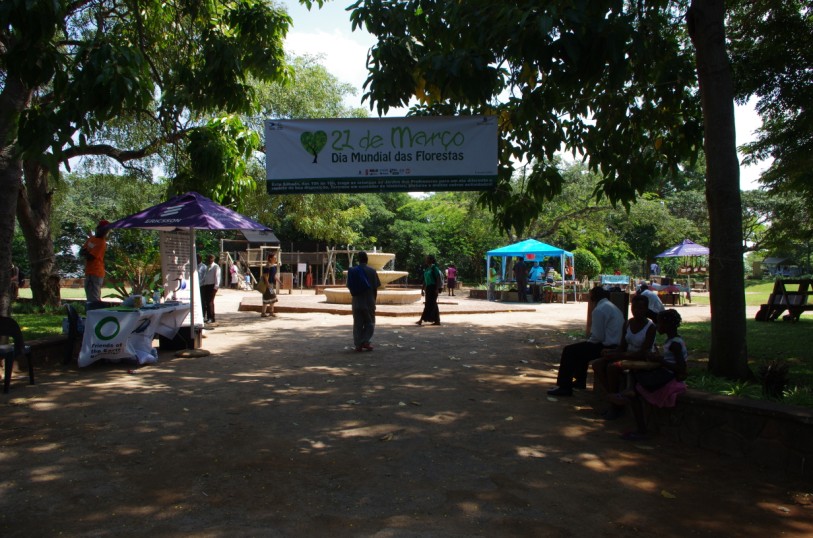
21 de Marco - dia das florestas

It was a fun day with lots of playful activities and joy, with many opportunities to introduce and discuss with kids the importance of our forests, the importance of conserving these ecosystems and of the environment in general, always highlighting that people and communities are a part of it.

A boa disposicao do nosso pessoal

We were all touched by the happiness of the children!! And our staff & volunteers enjoyed too!!

The event took place at the Parque dos Professores (Teachers Park), starting at 10am until 4 pm, and was organized in partnership with the Livro Aberto (Open Book) Association and supported by the participation and dedication of AMOR (Mozambican Recycling Association), Kosmoz, Mr. Rafo Diaz, the boys from the orphanage Casa do Gaiato and several tireless volunteers.
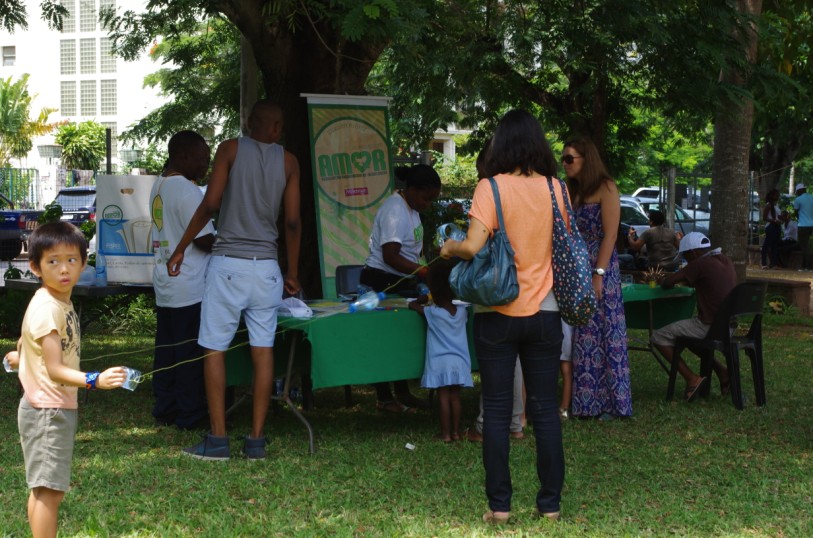
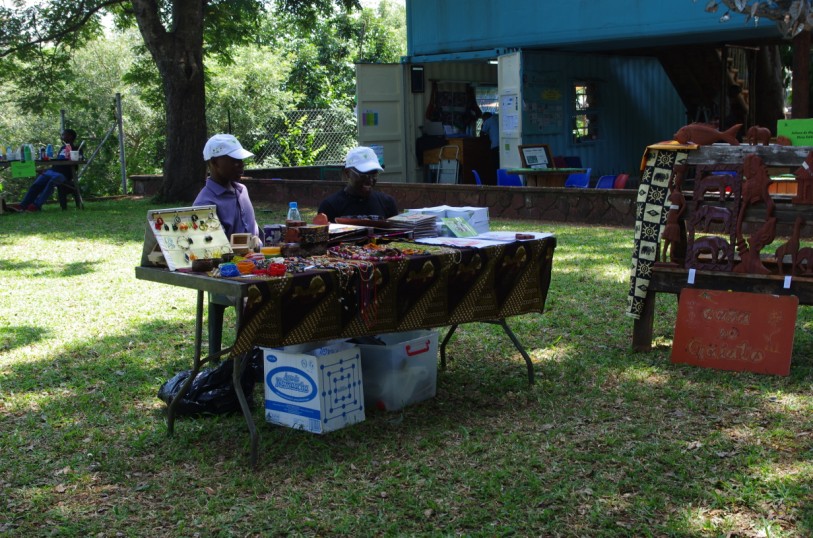
Mesa Amor e o Vai e VemCasa do Gaiato no dia das Florestas

The objective of this initiative was to use fun activities to raise awareness among children, Mozambique’s future generation, about the importance of our forests, and the conservation of our environment in general.

The activities for children included:

1. Making Bracelets with re-used plastic water bottles and strips of bright capulana (much-loved traditional Mozambican cloth)
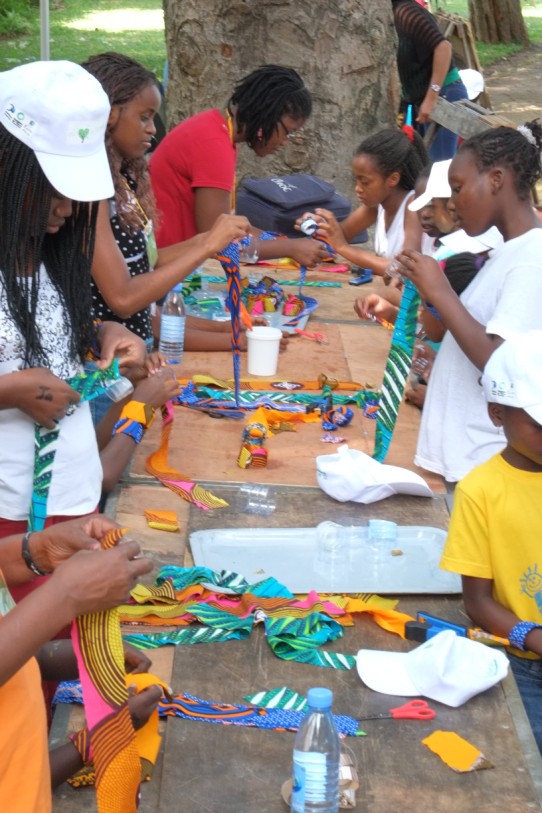
Pulseiras com garrafas plásticas e recortes de capulana

2. Drawing trees and decorating them using motifs from old magazines;
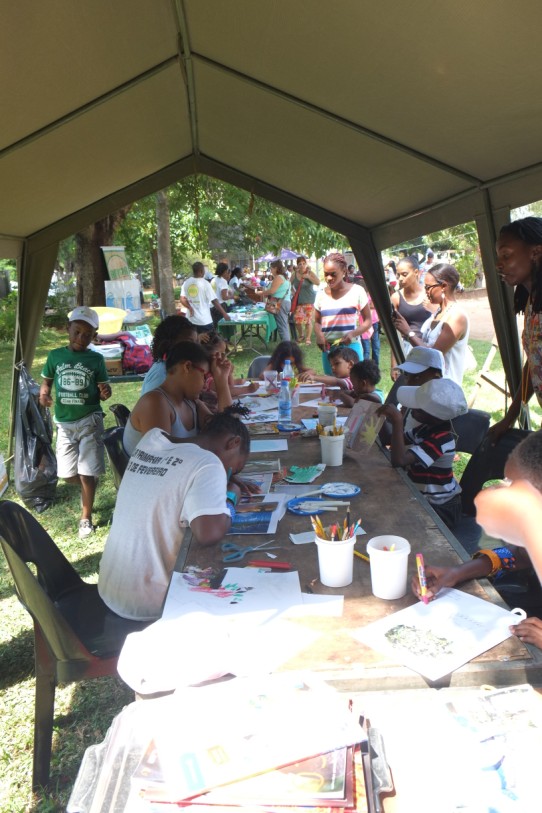
Desenhando árvores - recorte e colagem

Making snakes by re-using the cardboard tube of toilet rolls;

Drawing a beautiful forest on canvas, elements of which were painted by many different children throughout the day at their choice and in the end, it illustrated the immense biodiversity and creativity;
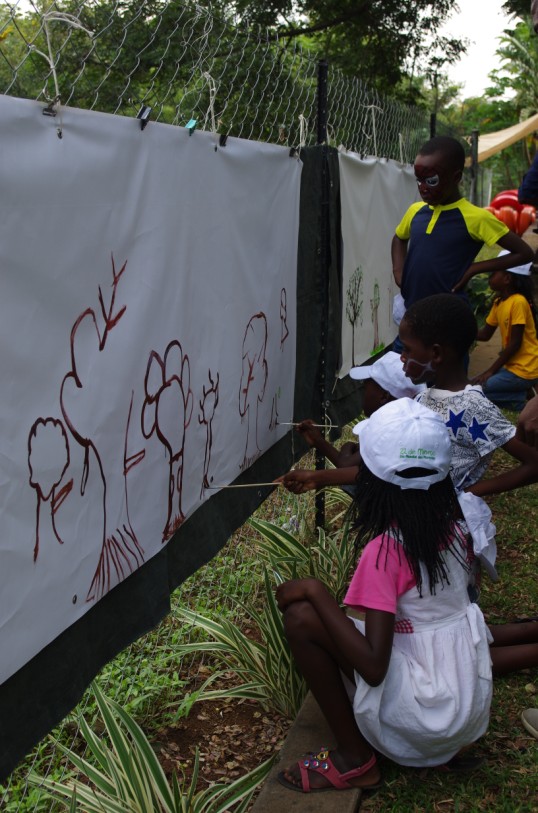
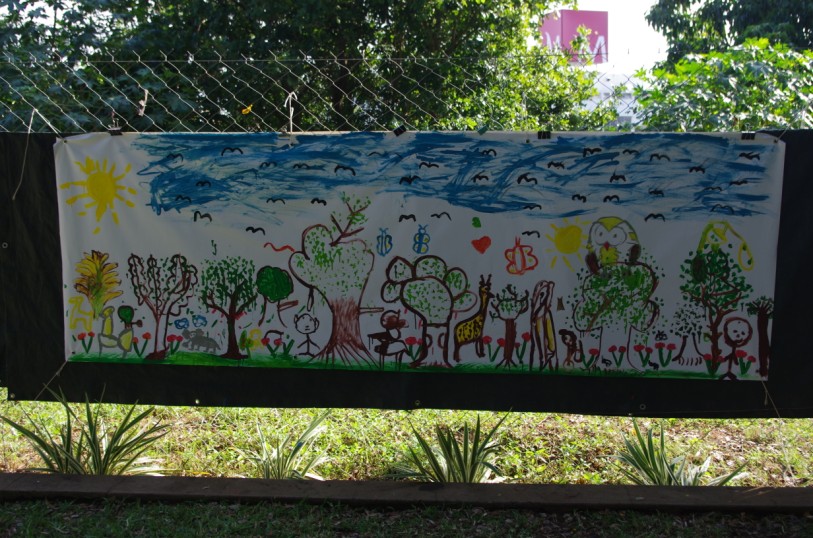
O inicio da nossa floresta A nosso floresta 1

Face painting, which did take some courage as none of our staff had any previous experience with this, but it also gave us the opportunity to test the creativity of our colleagues and volunteers;
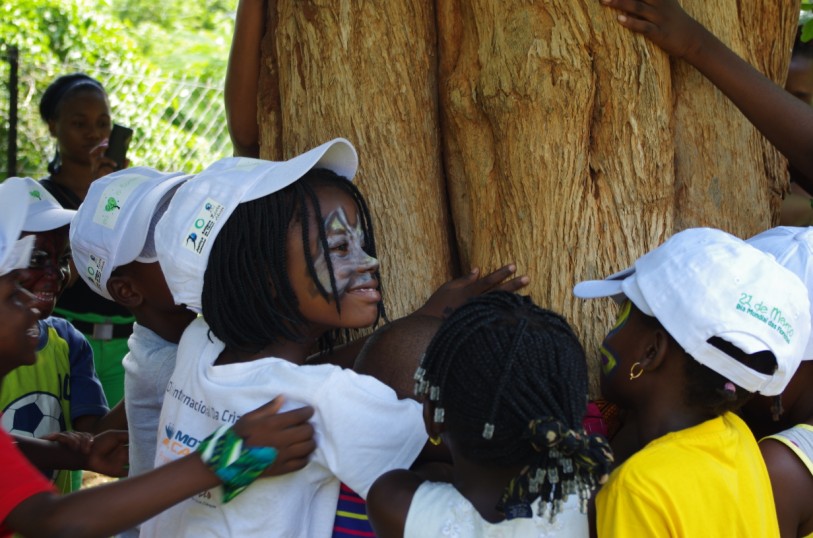
Reiki 4

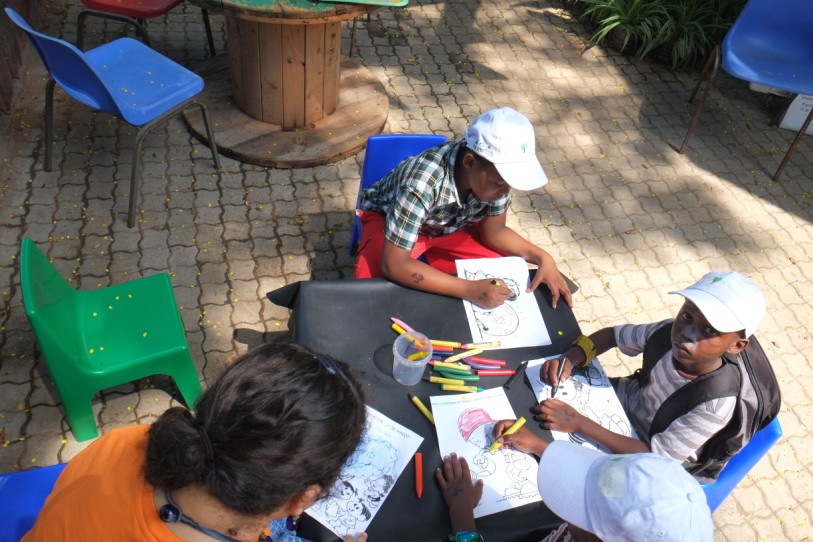
In addition to these activities, we had several colouring pages available for the younger children, all with environmental themes;

Uma das muitas criancas que estiveram conosco colorindo!!!

We had a message board which was also a success; many children left their messages each on small cardboard leaves, which together made the tree;
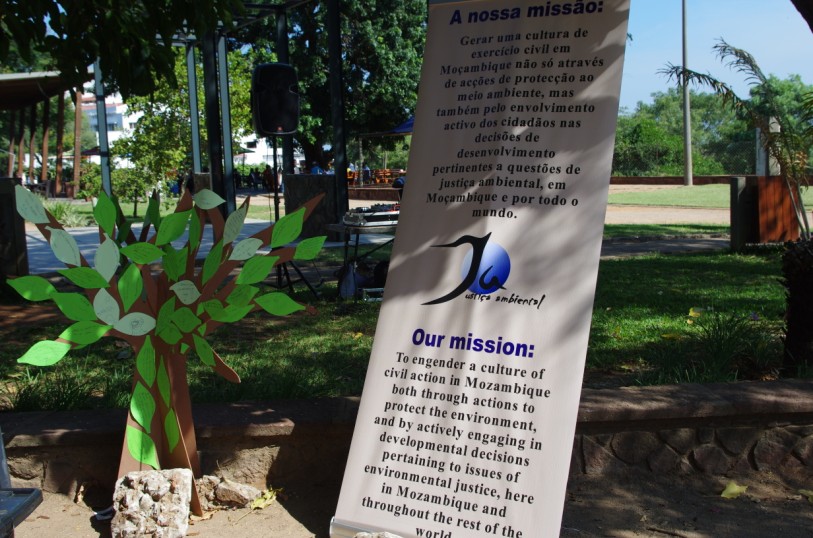
A nossa árvore das mensagens

In addition to the activities that JA and Livro Aberto had organized we also had activities from important partners, who clearly contributed for a rich programme for the day, such as AMOR and Kosmoz.

AMOR is promoting recycling in Mozambique and was present with their great mood, inviting children to learn how to build fun toys from recycled material, such as the “Vai e vem” (literally ‘come & go’ – a toy) with recycled plastic bottles, which was a huge hit with the kids whilst at the same time their volunteers were talking about important environmental concepts.

Amor - ensinando com amor

The Kosmoz (Holistic Platform for Integral Human Development) was well represented, bringing elements of physical and mental well-being of communities.
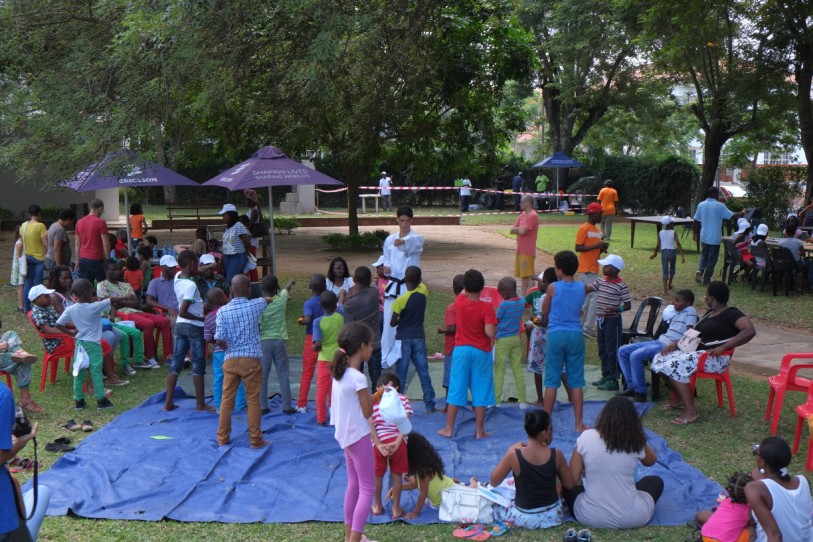
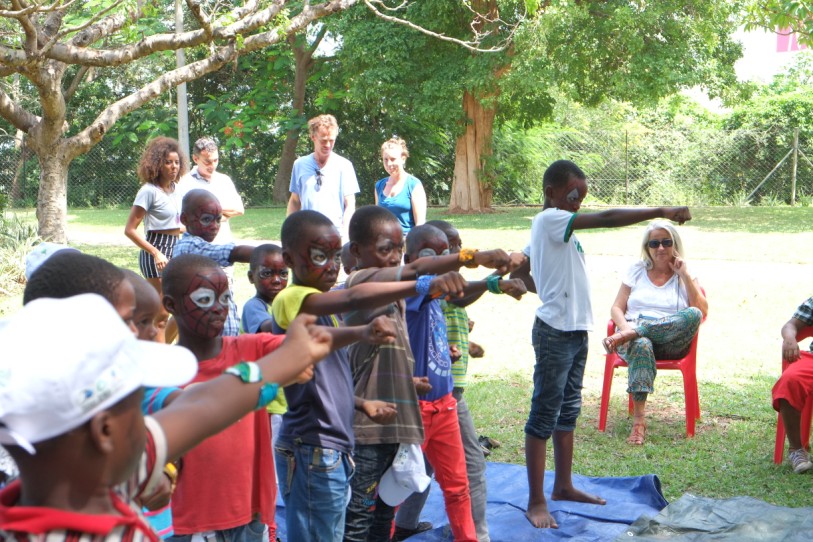
Demosntração da energia vital- chi da natureza aplicado as artes marciais - kosmoz Demosntração da energia vital- chi da natureza aplicado as artes marciais 2

They had a very rich program that included dances, reiki, yoga exercises in group, educational games with emphasis to nutrition, massage parlour only for children (although the adults really wanted it too!), demonstration of aero yoga and hip hop dance, demonstration of theatre games, demonstration of a chess match, among other activities. The therapists from Kosmoz were present during most of the day providing advice and appointments for children and parents also.
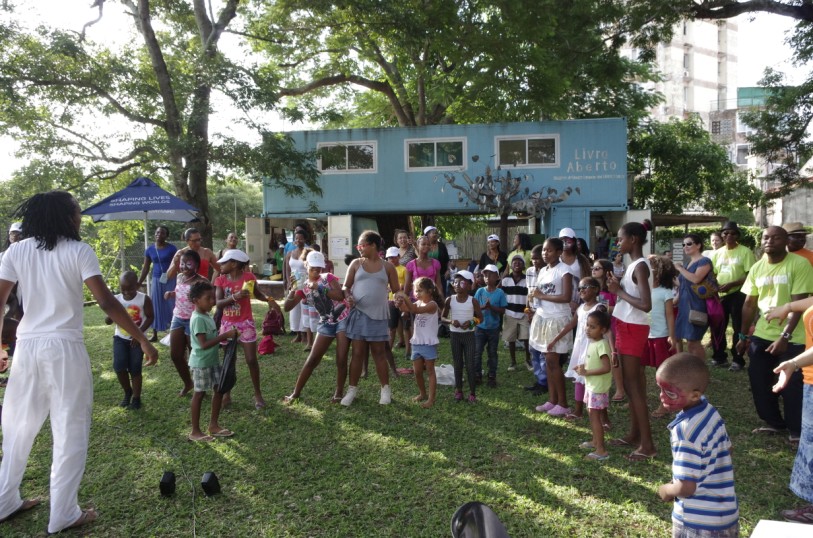
Meditacao em grupo 2 - Kosmoz

We cannot forget the story telling moment in which Mr. Rafo Diaz charmed our children with his magical storytelling talent! Thank you very much Rafo!
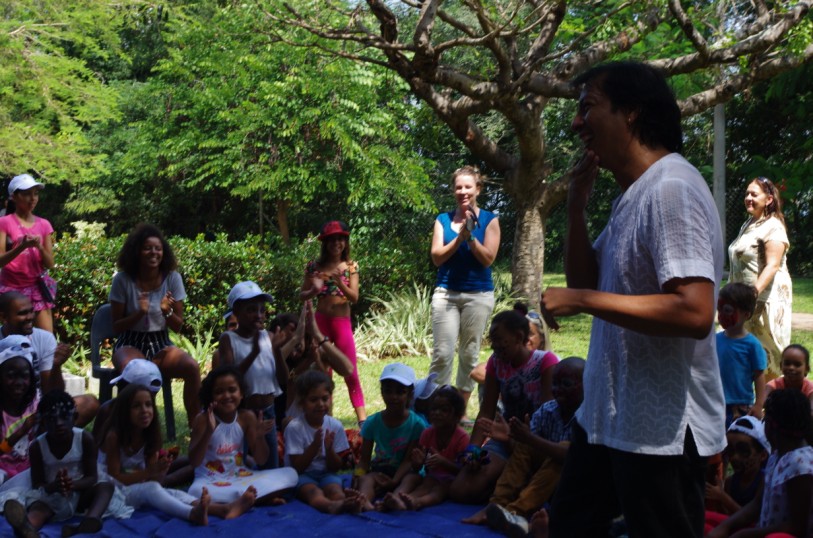
Rafo Diaz - Encantando com as suas histórias

We are immensely grateful for the commitment and dedication of our new partners Livro Aberto Association, Amor and Kosmoz, because they believed in the cause and helped us make this day a day to remember!
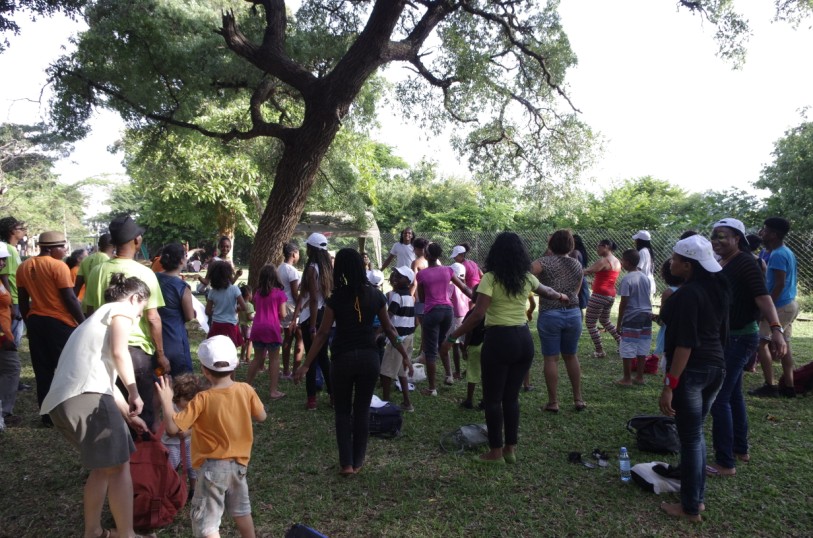
Meditacao em grupo - Kosmoz

This day was a great example of Mozambican organisations working together for children of all socio-economic backgrounds, who rarely if ever have a chance to come together.

(All photos by Justiça Ambiental)
International Day of Rivers, The Zambezi and Mphanda Nkuwa

March 14th: International Day of the Rivers
To celebrate this date, JA! organized and held several events. The focus was the Zambezi River.
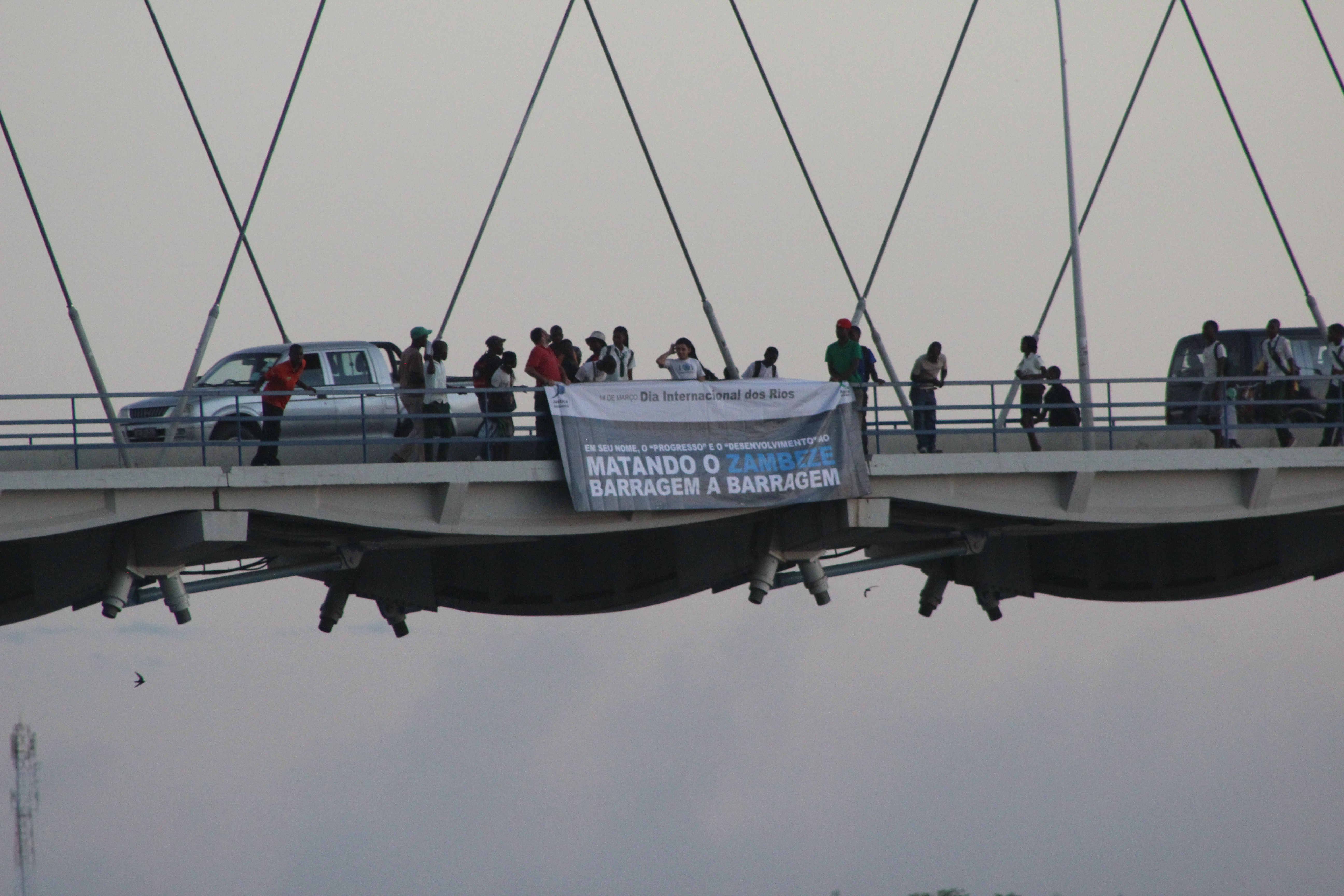
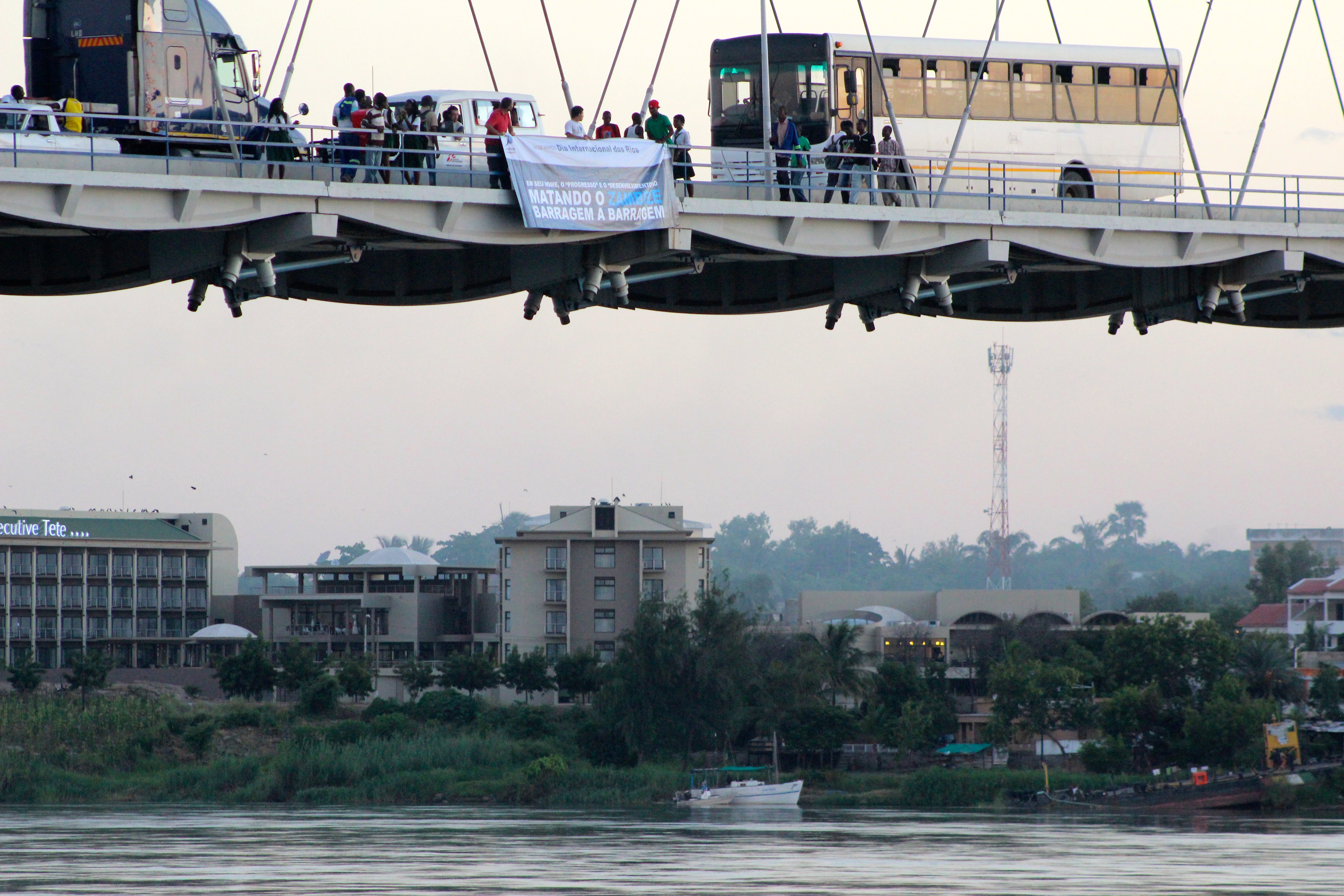
In Tete, we put up a banner on the Samora Machel Bridge in Tete which is the town closest to the proposed dam and also close to the coal mining-affected communities. The message on the banner was strong, and was directed at every single person who saw it: IN YOUR NAME, “PROGRESS” AND “DEVELOPMENT” ARE KILLING THE ZAMBEZI DAM BY DAM) We distributed leaflets about the consequences of the proposed Mphanda Nkuwa dam.

IMG_2673

IMG_2660

IMG_2701

(Photo credit: Gus Greenstein)

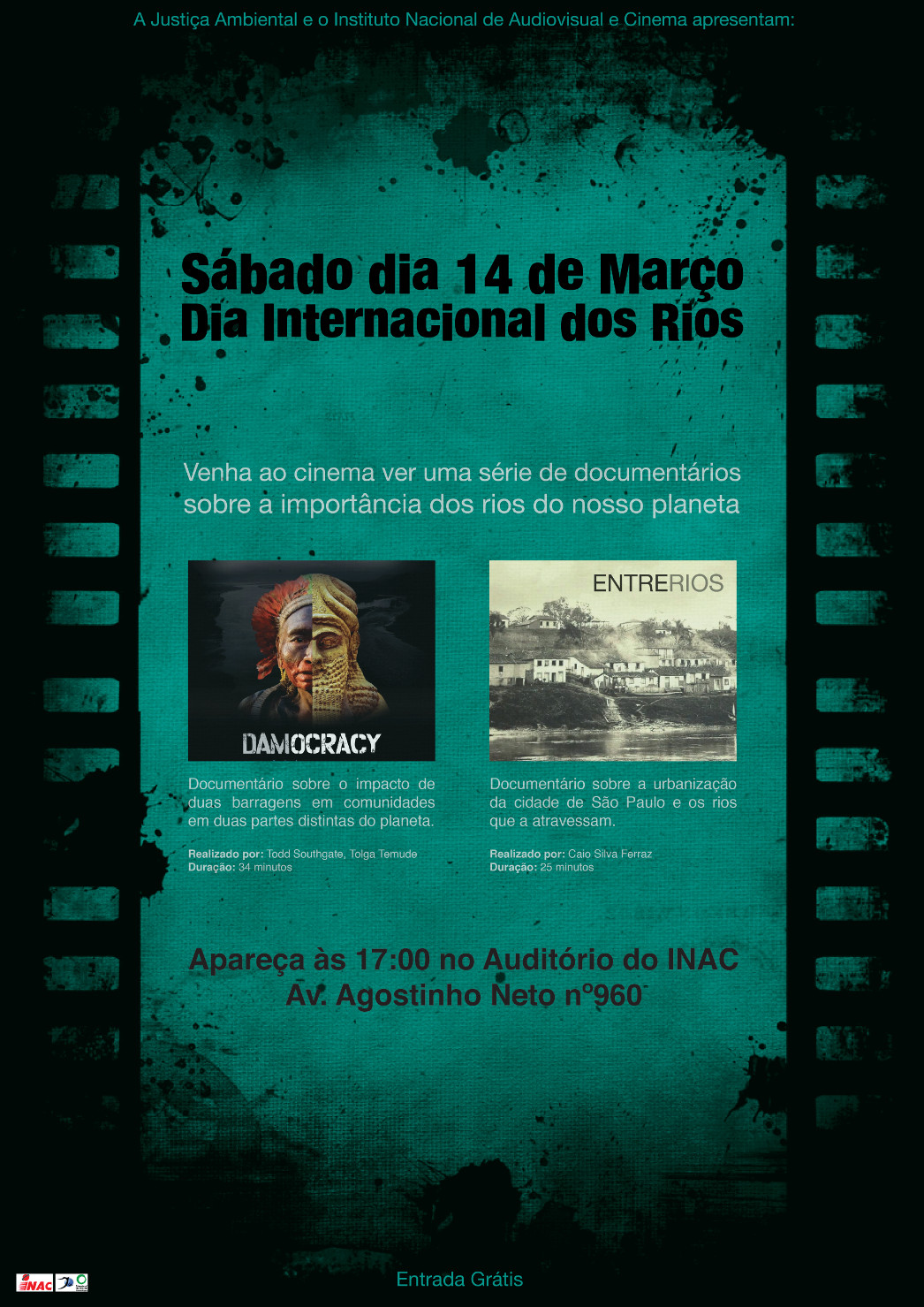
In Maputo and in partnership with the National Institute of Audiovisual and Cinema we also organized the screening of two documentaries about water: Entre Rios, which depicts the impacts of urbanization and expansion of the city of São Paulo on the rivers of the region, and Damocracy, which addresses the social and environmental impacts of the construction of mega dams in rivers. The aim of these projections was to create an awareness of the importance of rivers and water resources, which are vital for the planet and all of us. After the screening there was a very interactive discussion regarding the impact of human activity on the environment, its resources and their sustainability. Issues were also raised regarding the energy model that historically has caused serious social, economic, cultural and environmental consequences, and about the need to replace the use of dirty energy and the construction of mega dams (such as that intended to Mphanda Nkuwa) for the development and use of clean and renewable energy.

Dia dos Rios INAC

The Zambezi and Mphanda Nkuwa

In accordance to the mother of all geopolitical rules, as the developed countries stop building and actually begin to demolish their dams, the pressure from companies and financiers of such infrastructures over the underdeveloped and developing countries increases.

Unsurprisingly, the Mozambican government does not seem to be “getting the picture.” With a series of dams planned for our rivers in the coming years, fronted by the infamous Mphanda Nkuwa, the government’s agenda clearly indicates its commitment to send us the opposite direction to the course of development that they so often talk about.

In 2014, in the United States alone, at least 72 dams were demolished in order to restore rivers and preserve its people and biodiversity. In the US, the movement for the demolition of dams and river restoration is clearly becoming stronger, and much thanks to education and information campaigns, this increasing awareness regarding the impacts of dams in the past present and future is lessening the manoeuvring space for those who promote them within the political circles, and consequently, making it more difficult for politicians to foist them.

But who decides that a dam should be demolished? And why? Well, actually, there seems to be no rule. Sometimes governmental entities, for environmental and/or social reasons, determine it; sometimes the owners of the dam, when it is no longer profitable (if it ever was), come to the conclusion that maintenance costs are higher than demolition costs, and so, for financial and safety reasons choose to demolish it. Either way, nature says thank you.

The great victory in the fight against dams in 2014 was the overturning of the HidroAysén project, a 5 dams construction plan in the Baker and Pascua rivers in Patagonia. The Environmental Impact Assessment was approved in 2011, but a group of citizens opposed strongly and in 2014 the Minister for the Environment announced that her Ministry had rejected the project. She justified it by saying that the dam was jeopardizing biodiversity, traditional cultures, communities and even tourism in the region.

Another big win was to finally be able to hold the World Bank accountable for their involvement in human rights violations through its funding of dams. An example: the Rio Negro massacres caused during the building of the Chixoy Dam in Guatemala.

But what about us? How long will we keep pushing one way while the world moves in the opposite direction? We are different and want to continue to be different, but different for the better. We have to impose our will so that wise decisions on these matters are taken. Decisions upon which depend the welfare and livelihoods of millions of people and the balance of our environment. We agree that we cannot believe everything is said and written, but we cannot allow lightly taken decisions made in our name to be so obscenely wrong that a simple online search on any search engine disqualifies them peremptorily.

We need the decision makers of this country to promote a broad and open dialogue with society on the country’s energy needs, and allow it to participate in decision making. They could start by giving us answers to questions such as:

We need more dams to produce energy what and/or whom for?

What kind of energy do we want, and what options do we have?

In terms of social justice, we are certain that these decisions, taken together with the society, will be fairer, more valid, and certainly will not cost so much sweat, blood and tears to Mozambicans. Environmentally speaking, we have faith that this will also allow us to preserve our rivers, our water.

In the specific case of the Zambezi, the Intergovernmental Panel on Climate Change (IPCC) report warns that in the coming years “the Zambezi basin will potentially face the worst effects of climate change (…) and suffer probably a substantial reduction precipitation of about 10-15%”. We cannot afford to ignore these warnings from leading scientist panels and lightly build more dams on the Zambezi. The consequences can be disastrous.

Proud of our partners victories in the US and Chile, we remain resolute in our struggle and hopeful to the end that victory will smile to us too. And you may even be thinking that this much desired victory will not be yours; worse, that in case of defeat, nothing will change for you; or even worse, that this investment will certainly serve the country, create jobs and bring progress… Think again. This investment could irreparably affect the lives of millions of Mozambicans living on the banks of the Zambezi. It can take the fish and the xima out of their tables, because the “health” of a river depends on an entire ecosystem, including the fields it irrigates. And how will the thousands of fishermen and farmers living by and of the river survive?

And the possible repercussions in the Zambezi delta and the shrimp industry?

What if we told you that Mphanda Nkuwa is not meant to help fix our country’s poor electrification rate? Would you be surprised? What if we told you that behind Mphanda Nkuwa there are other plans for energy-intensive dirty industries, that will in turn bring the country other social and environmental problems and the same development that the Cahora Bassa, Mozal, Vale and Jindal, among others, bring us today: insufficient when compared to what we sacrificed and disproportionately distributed.

There is only one Zambezi, and yet, there are many projects that the executive seems to have for him, as if it was inexhaustible and indestructible… Don’t you find it strange that none of them are directly aimed at benefiting its people?

Do you really believe that is progress?

For more information about the HidroAysén project and dam demolition:

http://news.nationalgeographic.com/news/energy/2014/06/140610-chile-hidroaysen-dam-patagonia-energy-environment/

http://www.americanrivers.org/initiative/dams/projects/2014-dam-removals/#sthash.PNG8jVEs.dpuf

Someone’s Republic

Thank goodness we are nobodies. We nobodies can speak freely with other nobodies like us about what we think, without having to worry that Someone might not like our ideas.

The thing is Someone does not like those who think differently. His message is clear: if you think differently, think silently.

Someone is dangerous and wants us all to know it.

Someone has long been trying to annihilate all those who are noble and competent in Mozambique. Trying to condemn us all to his mediocrity, to his predictable and repeatedly sterile, selfish and monochromatic ideas.

In November 2000 Someone ordered the hit on Cardoso and doomed our media to an era of opacity, of subordination, of dictated news, of amazing fables featuring ducks, partridges, monkeys, pigs and other characters in plots and intrigues so poorly staged that only a moron would mistake them for reality.

Less than a year later, Someone ordered the killing of Siba-Siba Macuácua, allegedly to cover up a big shady bank fraud that the economist was trying to unveil. How many like Siba-Siba has Someone “pushed over the handrail” to cover up his manoeuvres?

In 2010, Orlando José, the late Director of Audit, Research and Information of Customs, also paid with his life for the grotesque mistake of saying that Someone should pay the same taxes as the rest of us common mortals.

And now, after nearly five years of absence (in what concerns political assassinations of obvious intimidating nature), on Tuesday the 3rd of this month, Someone ordered another hit. Gilles Cistac was the victim. He was shot because Someone certainly found inconceivable that a teacher, a mentor, a renowned academic could have an opinion so further apart from his. Surely Someone considered that Cistac was thinking too loud. Moreover, Cistac occupied a social position too dangerous for a politically misaligned individual.

Now what?

Are we all supposed to cheep quietly like a good flock of nobodies?

Are we expected to, yet again, accept Someone’s impunity and pretend to believe in the guilt of yet another Anibalzinho? To accept Someone’s oppression as an amorphous, gagged and subdued society?

Are the other intellectuals of our society, who put themselves on the line for the millions of nobodies like us, supposed to feel intimidated and keep quiet from now on?

Although it seems obvious that the wellbeing and the future of the country depend now, and perhaps more than ever, on the courage of these men and women, it does not seem fair that we demand of them that they alone risk their lives to protect our future.

We can no longer be nobodies, we must leave our quiet and safe insignificance, give voice to our discontent and fight for the rights that so many have fallen to defend.

We have had enough comrades. Enough.

The Nobodies By Eduardo Galeano

Fleas dream of buying themselves a dog, and nobodies dream
of escaping poverty: that one magical day good luck will
suddenly rain down on them- will rain down in buckets. But 
good luck doesn’t even fall in a fine drizzle, no matter
how hard the nobodies summon it, even if their left hand is
tickling, or if they begin the new day with their right foot, or
start the new year with a change of brooms.

The nobodies: nobody’s children, owners of nothing.

The 
nobodies: the no ones, the nobodied, running like rabbits, 
dying through life, screwed every which way.

Who don’t speak languages, but dialects.

Who don’t have religions, but superstitions.

Who don’t create art, but handicrafts.

Who don’t have culture, but folklore.

Who are not human beings, but human resources.

Who do not have names, but numbers.

Who do not appear in the history of the world, but in the 
police blotter of the local paper.

The nobodies, who are not worth the bullet that kills them.