
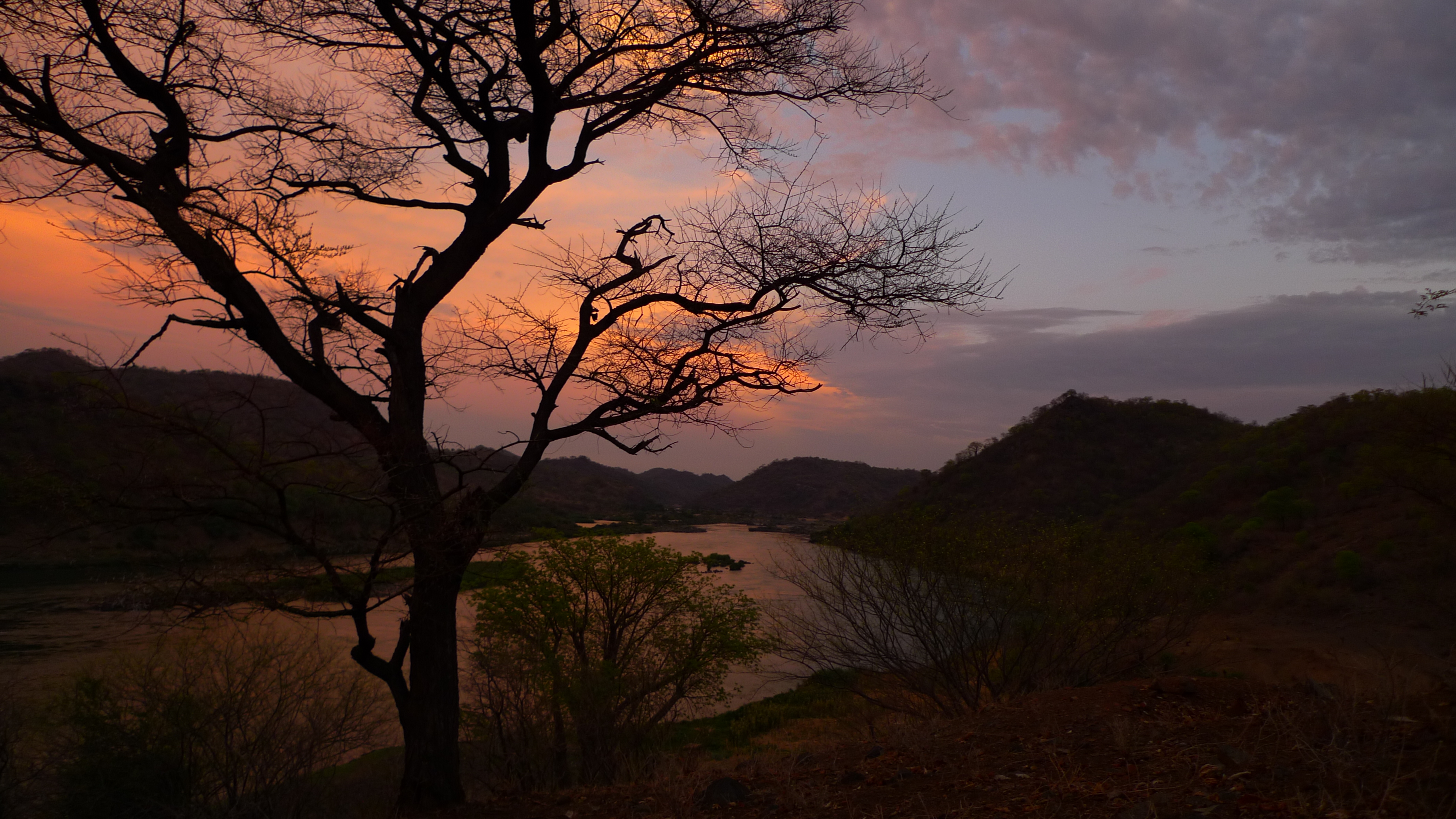
Petition to stop the Mphanda Nkuwa hydroelectric mega-dam project
Join us and over 1300 people who have already signed this petition, sign here:https://docs.google.com/forms/d/1y54QjBtCM-QnL8WxdXXEoHwBM3BuKpREamVJ9uGmwIg/edit
Read our petition ;
Context
The Zambezi River is the 4th largest river in Africa, and an estimated 32 million people live on its banks, of which 80% depend directly on the river for their livelihood, through agriculture and fishing and other related activities1,2.
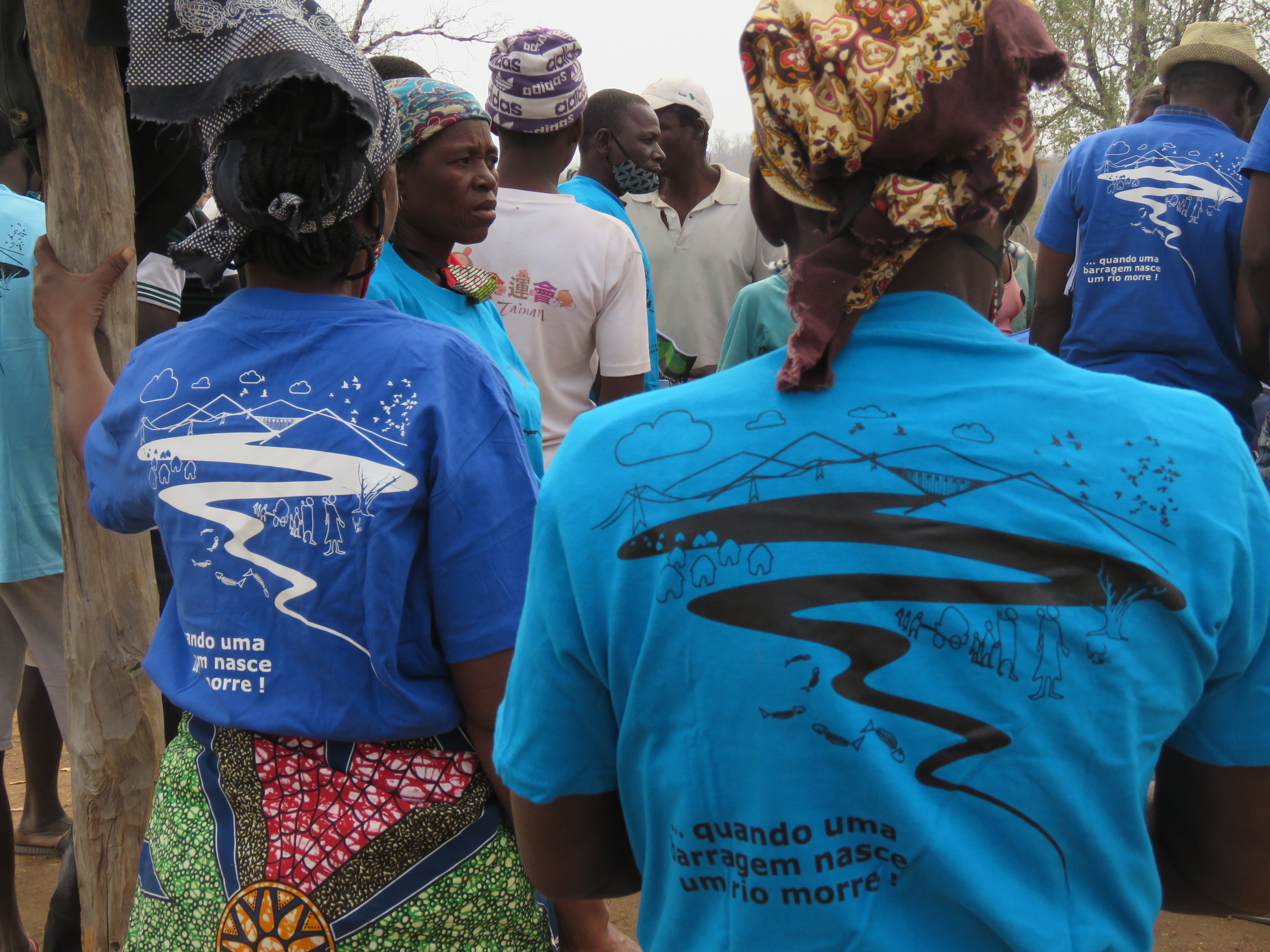
The Zambezi River already has two mega-dams, Cahora Bassa in Mozambique and Kariba in Zimbabwe, which have been causing significant damage to ecosystems and to the lives of local downstream communities. To worsen this scenario, the Mozambican government recently announced, as a priority, the construction of yet another hydroelectric mega-dam on the Zambezi River, the Mphanda Nkuwa dam.
The site chosen for the proposed Mphanda Nkuwa dam is only 70km downstream from the Cahora Bassa dam. If built, Mphanda Nkuwa will probably be the last “nail in the coffin” of the Zambezi River, and will result in the destruction of the river’s ecosystem and its delta, negatively affecting the lives of thousands of families living on the site and downstream from the dam. In addition to the high social and environmental impacts, it is estimated that the construction of the dam will cost about US $ 4 billion3. The dam is also expected to have an installed capacity of around 1300MW, however Eskom, which will be the main buyer of this energy, is one of the companies that buys energy from the Cahora Bassa dam at one of the lowest prices in the world. On the other hand, in Mozambique we pay one of the highest energy rates in Africa, even though we produce more energy than we demand internally and that the Cahora Bassa dam is “ours”.
The terms in which the Mphanda Nkuwa hydroelectric project was conceived is not in accordance with the fundamental objectives of the Mozambican State enshrined in Article 11 of the Constitution of the Republic, especially with regard to human rights and balanced development.
The matters relating to access to information and effective public participation in the decision-making process on the Mphanda Nkuwa project have not been respected, thus relevant and detailed information that gives room for understanding and participation in the project is not in the public domain.
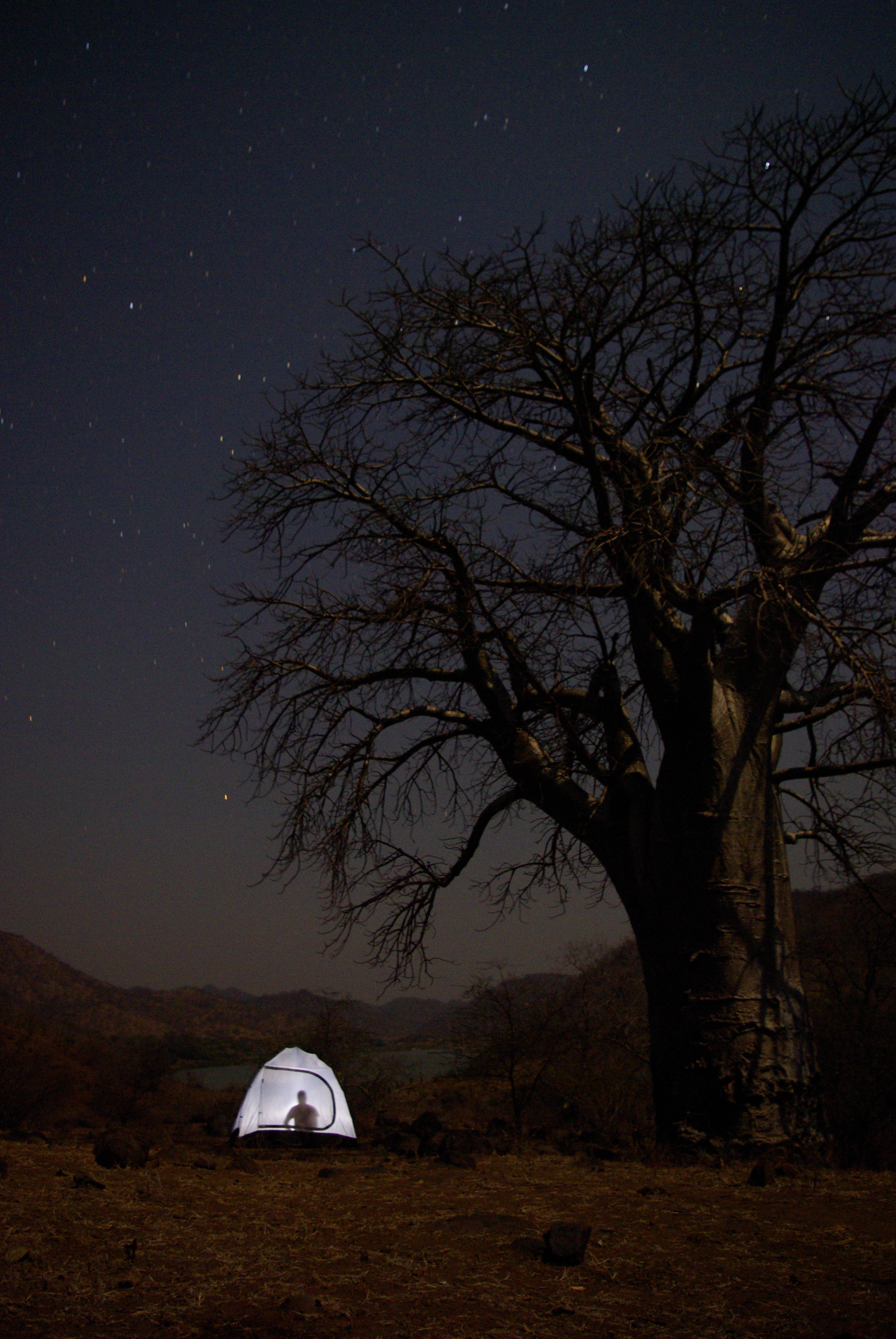
The Article 22 of the African Charter on Human and Peoples’ Rights enshrines the right to the development of local communities and the use of natural resources for the benefit of the people, which may be compromised with the materialisation of the Mphanda Nkuwa project.
In turn, the African Convention on the Conservation of Nature and Natural Resources defends
that development programs and/or projects are required to be ecologically rational, economically capable and socially acceptable, in addition to the concern of sustainable use of natural resources. This is not envisioned in the Mphanda Nkuwa project, as explained below.
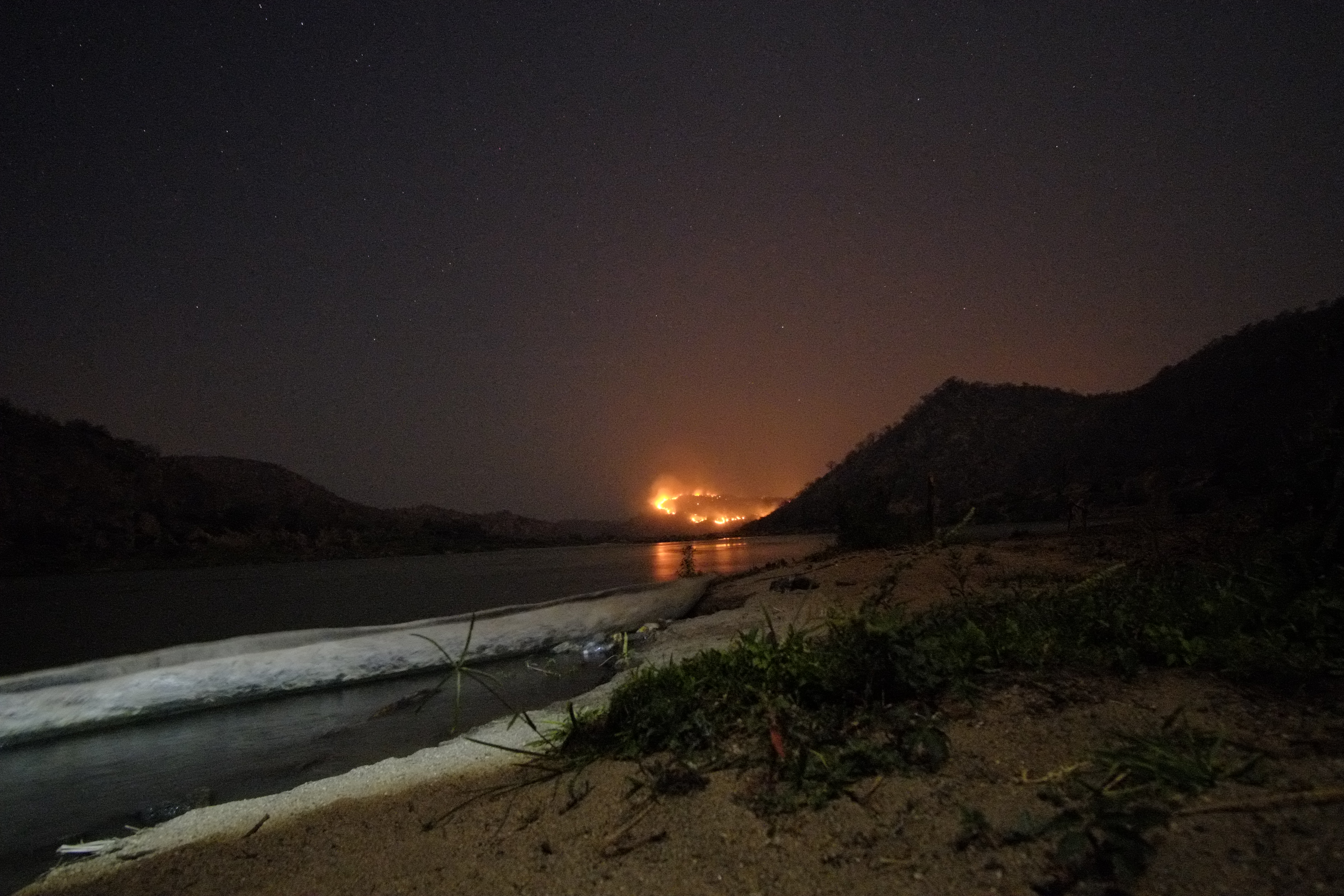
How did we get here?
In the 90s, the UTIP (Hydroelectric Projects Implementation Unit for its acronym in Portuguese) was created with the mandate to implement the project proposal of Mphanda Nkuwa. Thousands of dollars were spent on feasibility studies (obviously, it was never made known to the public how many there were), environmental impact assessment, and others, mostly of poor scientific quality.
In the 2000s, the Mphanda Nkwua consortium was established, in which EDM held 20%, Grupo Insitec held 40% and Camargo Corrêa the remaining 40%. More studies were done at this time, thousands more dollars were spent. The Environmental Impact Study (EIS) was approved in 2011, with huge and serious gaps and unanswered questions and concerns from civil society. This consortium was also dissolved.
In late 2018, the Mphanda Nkwua project was again removed from the dusty drawer and relaunched as a government priority. In February 2019 the Mphanda Nkuwa Hydroelectric Project Implementation Office (called GMNK in its Portuguese acronym) was created, and in September the consortium was selected, which will then assist the government in this new phase of the project. Once again, thousands of dollars of public money will be spent on consulting and studies that, if they follow the previous examples, will remain in the category of “only God knows”!
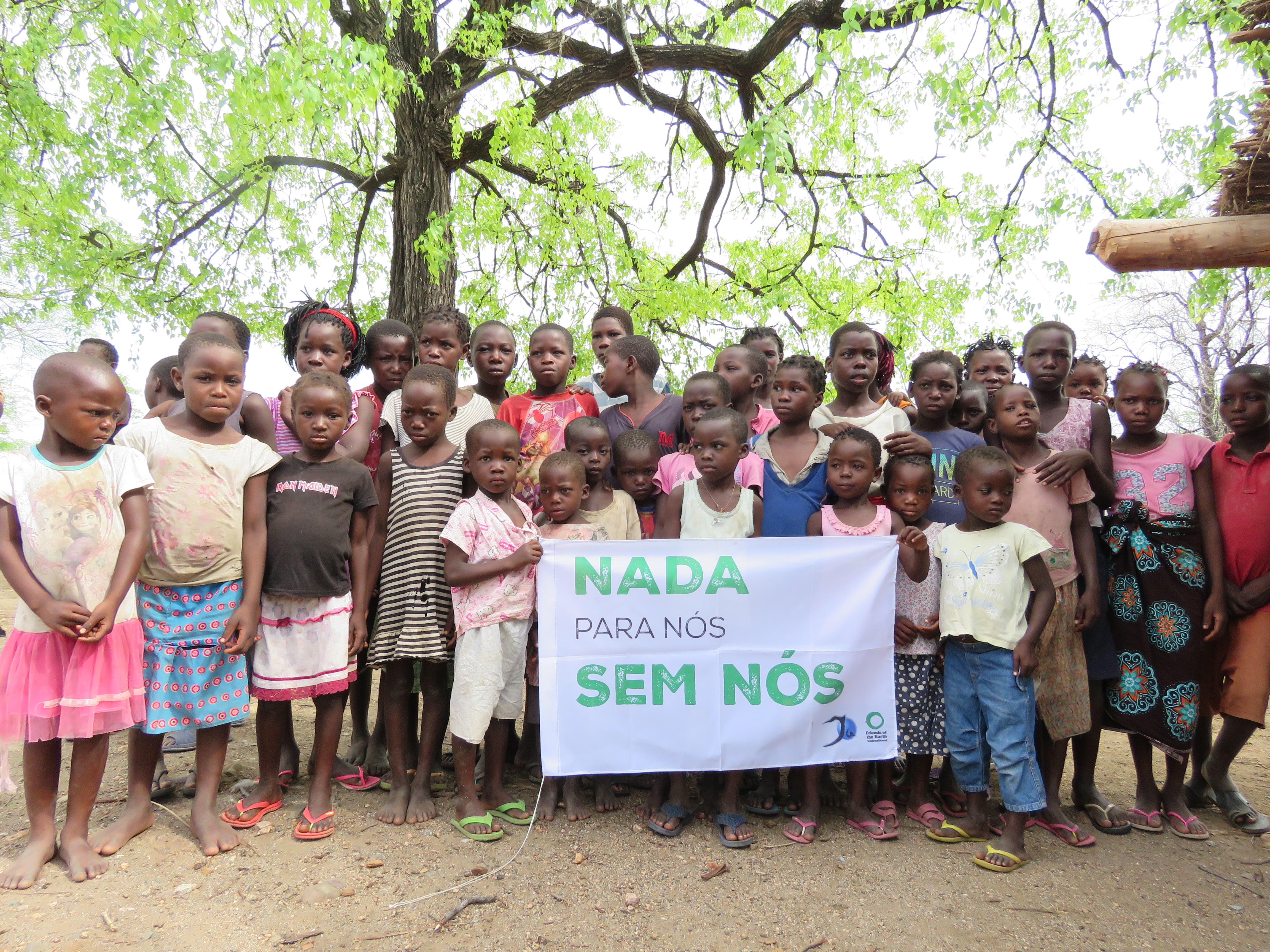
Development for whom?
There is no doubt that energy is a fundamental and indispensable asset for the development of a nation. However, in order to guarantee sustainable development, the government must study and analyse the different sources of energy available and choose clean and renewable sources, guaranteeing the lowest social, environmental and economic impacts.
For a number of reasons, some of which are listed below, it is difficult to see what kind of development and benefits can be expected from a project like the Mphanda Nkuwa dam. According to projections of the EIS approved in 2011, about 80% of the energy produced will be for export, and the remaining 20% will allegedly be for internal use, to feed the energy-intensive industries that will be installed in that region. Despite the high financial costs, and the harmful social and environmental impacts that will result from the construction of this dam, the vast majority of Mozambicans will remain without access to electricity.
Mozambique needs to invest in decentralised clean energy systems – solar, wind, among others. Decentralisation and the diversity of energy sources are essential to guarantee a just, inclusive, and affordable energy revolution that guarantees access to energy for all citizens of the country.
The serious problems of the latest EIS
The Environmental Impact Study (EIS) for the Mphanda Nkuwa dam was approved in 2011, but the questions and concerns raised by various organisations and individuals remain unanswered4. Below are some of these concerns, which have also been raised on numerous occasions in recent years, including during the Environmental Pre-Feasibility and Scope Definition Study (EPDA – initials in Portuguese) and in the process of drafting the previous EIS Terms of Reference.
1. Cumulative impacts.
There was a weak framing of this project in terms of its cumulative impacts, not only taking into account the existing projects in the Zambezi basin, but also those planned and predicted, which somehow compete for the same resources or interfere with each other in its use. For a project of this scope, the most appropriate would be to frame the studies in the dynamics of the hydrographic basin, considering social, environmental and economic aspects, contrary to what has been the norm, that is, the separate and individual analysis of projects without any consideration of the cumulative impacts in the basin. It is necessary to take into account that the socio-environmental effects and impacts are synergistic, not limited to the place where the dam is built. In this case, the impacts of the various dams already existing in this River, such as Kariba, Kafue, Itezhi-Tezhi, Cahora Bassa and others, must be accounted for.
2. Seismicity analysis.
Mphanda Nkwua is located in the Chitima-Tchareca seismic zone. The EIS determines that the largest magnitude earthquake in the proposed dam area is only 6.4 on the Richter scale, relying excessively on one of the studies that analyses the faults in the area. However, there are several other studies that identify major flaws that have not been properly considered and that indicate the occurrence of earthquakes of magnitude more than 10 times greater than that mentioned in the EIS. There are several cases, such as in Japan and even in Mozambique in 2006, in which the magnitude of the earthquakes that occurred was much higher than what had been predicted using methods similar to the one used in the present EIS.
The work team did not properly consult the seismology specialists who have dedicated themselves to studying the area under analysis. Some of these experts raised concerns about the EIS’ conclusions, and a renowned expert with proven experience in the field (Chris J.H. Hartnady) even sent an analysis of the seismic risks of the project, in which he presents concerns, recommendations and conclusions that were not considered by the work team5.
3. Climate change.
The EIS considers that there will be no significant impacts of climate change on the Zambezi River. This observation goes against the report of the Intergovernmental Panel on Climate Change (IPCC), which states that “the Zambezi basin will potentially face the worst effects of climate change. This will probably suffer a substantial reduction in rainfall of around 10-15%”.
In line with the results mentioned above, a 2010 scientific article written by Beck and Bernauer (using SRES data), on water scenarios for the Zambezi River basin from 2000 – 2050, predicts flow reduction in the Zambezi Delta (without the construction of Mphanda Nkuwa) between 5% and 43%, depending on the scenario used.
In 2012, scientist Richard Beilfuss, in his study on climate change and dams in
Southern Africa, warns that “The dams that are currently being proposed and built may result in economically unviable dams, with underwhelming performance in case of more extreme droughts, and they can also be a danger, as they were not designed to deal with increasingly destructive floods ”.
We cannot ignore the warnings of internationally recognized scientists and lightly decide to build another dam in this very important ecosystem.
4. Sediment.
With a total basin area of 1,570,000 km2, the Zambezi gathers water, nutrients and sediments from 7 countries. Currently, almost 90% of the Zambezi River is regulated by large dams. This has devastating impacts along the lower Zambezi. The amount of sediment determines the shape and pattern of the riverbed, and the sediment nutrients influence the productivity of floodplains and soil and the health of vegetation.
The few remaining unregulated tributaries are believed to be vital to the ecological maintenance of the system. The proposed Mphanda Nkuwa dam will block the Luia River, which is believed to be a major source of sediment for the Zambezi, particularly during the flood season. This has been a concern of civil society and several experts, who have been asking that Luia’s contribution in terms of sediment and nutrients be properly analysed, which would allow a better understanding of the impacts of the Mphanda Nkuwa dam on the system as a whole. Unfortunately, the EIS did not analyse the importance of capturing Luia in the sediment dynamics of the lower Zambezi in a scientifically valid method. The sample size was the minimum allowed for statistical analysis (only 3 samples), and the EIS team itself admitted that this analysis was statistically weak. The types of methods used for sampling did not cover the required range to allow reliable results, and the samples did not cover the variety of flows throughout the river system. In highly variable river systems such as Zambezi, up to 80% of sediments can be transported during the flood season, so it is crucial to collect samples during this period, which was not done in the referred EIS.
5. Local Communities
There has not yet been a decision regarding the flow regime in which the dam will operate (base-load or mid-merit), and the study does not present a plan for the resettlement of local communities, making it impossible to assess or predict which are the real risks and impacts for those who will be most directly affected.
As for possible resettlement sites for local communities, sites both in unexplored areas and in the areas of the Marara district (at the time of the EIS, Changara district) are said to be considered. Apart from being unacceptable to plan a large construction project like this without the proper resettlement plans, many of the proposed resettlement areas already have other communities living there.
The study also pays very little attention to impacts for communities living downstream. There is no explanation of how they might be affected, except for a few vague statements. Furthermore, a compensation for these people is not mentioned, regarding the losses that they may suffer. This is in contradiction with the recommendations of the World Commission on Dams (WCD).
Other problems related to this matter concern the rhetoric and biased assumptions used in the study, which considers the downstream communities only as population density. There is no mention of the total number of people living in this watershed, and therefore, the reader is left with no real sense of the level of interference that the construction of the dam may have on rural livelihoods.
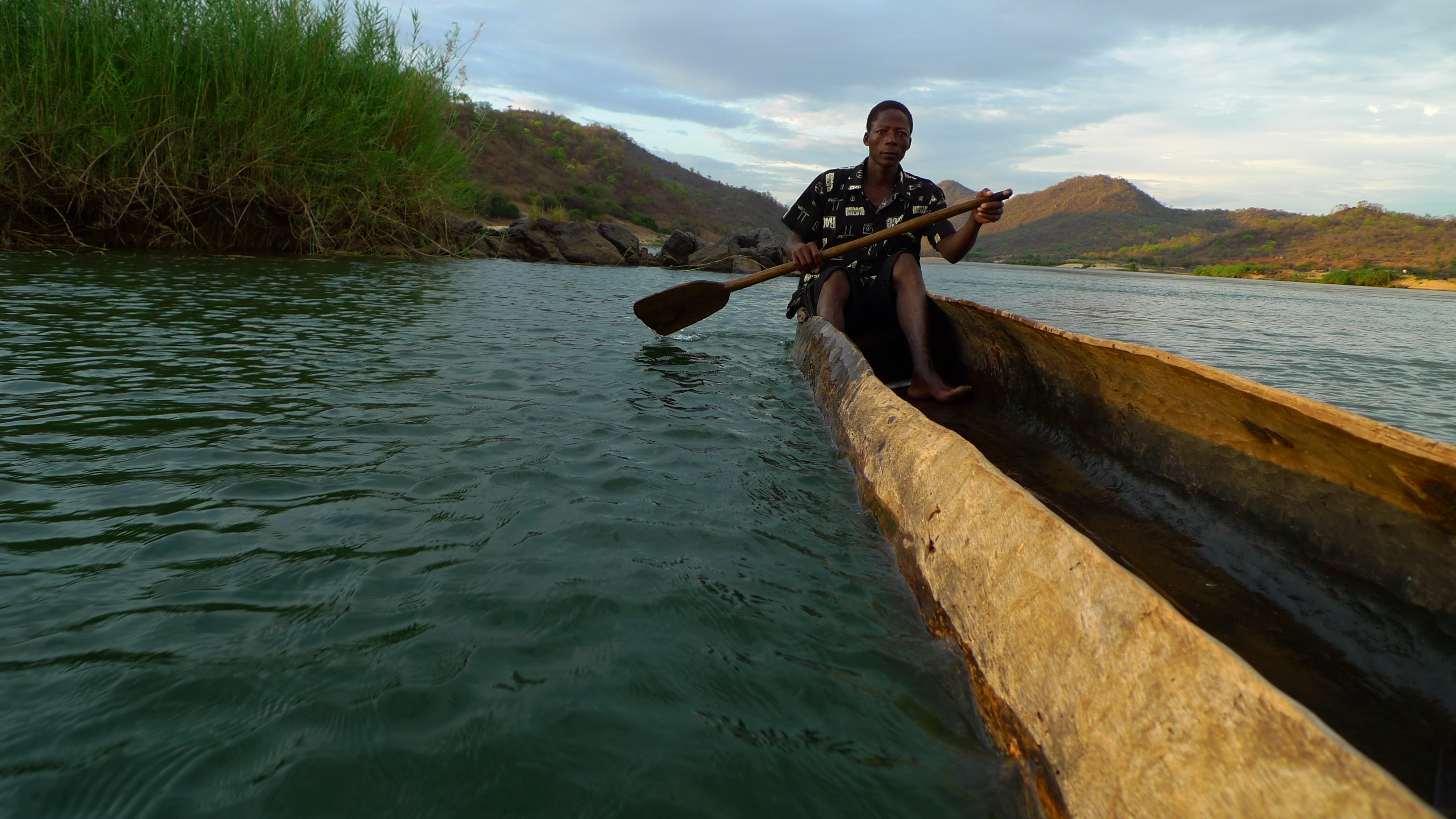
It is also expected that the project will create some permanent jobs, but it will displace hundreds of people and affect thousands more downstream. However, the EIS only mentioned the jobs generated during the peak construction period, creating a false notion that it would generate a lot of jobs – however, most of these jobs are temporary. Residents in the Zambezi River basin will bear the serious impacts of the project, but the benefits will be for large transnational companies and for national political and economic elites.
6. EIS’ conclusions.
The conclusions in the EIS are presented as being valid and of high scientific confidence, the report does not present its limitations, it does not mention the weakness of the data that enabled the analysis and the level of confidence of the results obtained. Only when confronted with the numerous questions presented above did the experts acknowledge the limitation of their data, which was then justified by the limited time and funds available for sampling (as in the case of the sediment and seismicity sections). However, these issues have become central to the concerns of civil society and experts for many years, more than enough time to collect the necessary information.
The concerns raised and, until today, unanswered lead us to question the feasibility and confidence of the studies conducted so far, and the real motivations behind this project. We reiterate that the social, environmental, economic and climatic risks of Mphanda Nkuwa have not yet been fully studied and the construction of this dam could have devastating consequences for the Zambezi River, for the people who are most dependent on this ecosystem, and for all Mozambicans.
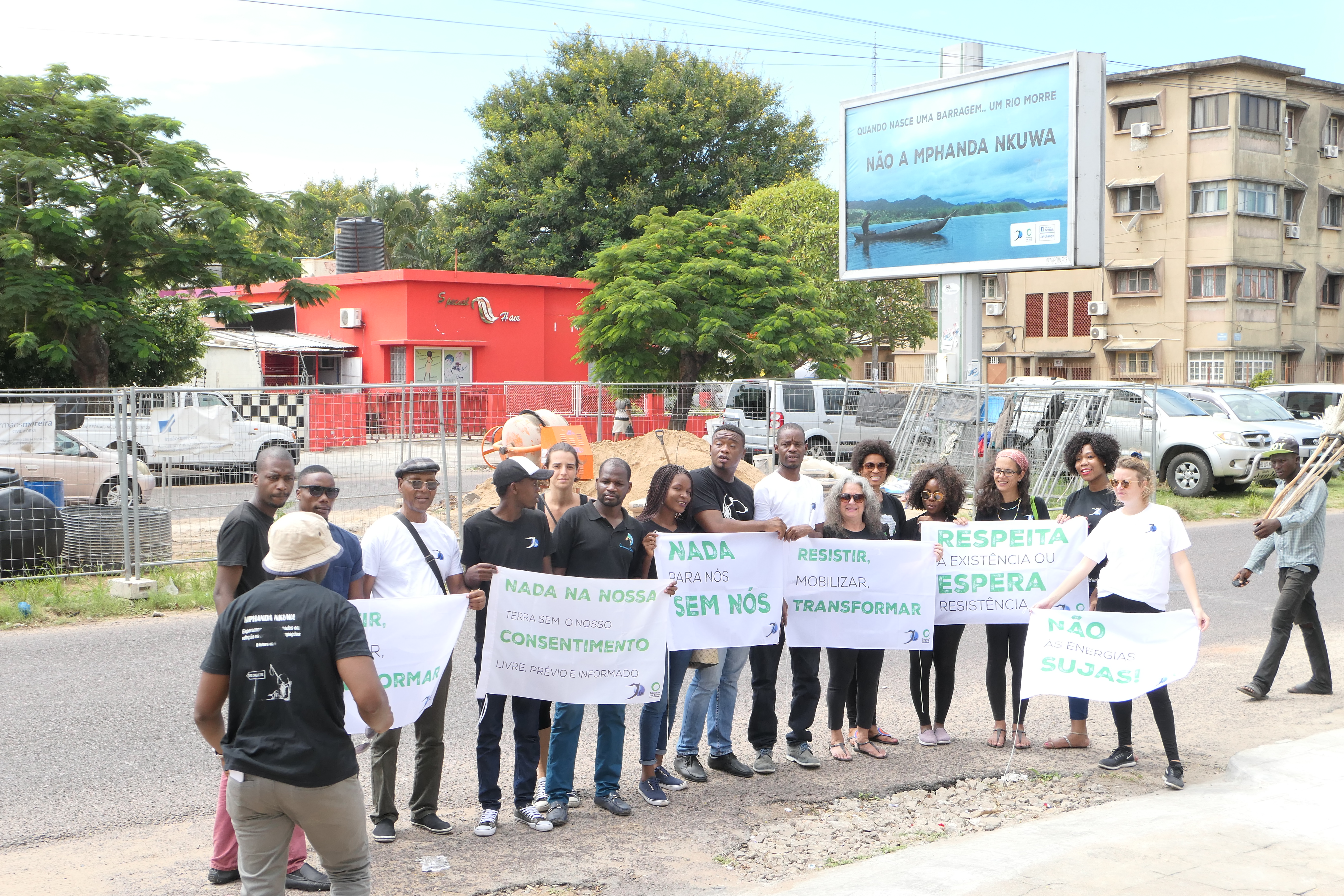
Why do we say NO to the proposed Mphanda Nkuwa dam?
The concerns raised over the past few years and not yet answered, as well as the lack of transparency and openness that have characterized the different moments of this project until today, inevitably lead to questions about the confidence of the studies conducted so far;

The real motivations behind this project; and its viability. The social, environmental, economic and climatic risks of Mphanda Nkuwa have not yet been thoroughly analysed, and studies carried out so far indicate that the construction of this dam could have devastating consequences for the Zambezi River; for the people who are most dependent on this ecosystem; and for the country as a whole.
In addition to the issues raised so far, a mega-dam such as this represents an enormous financial risk in the current context – taking into account the volatility of the global energy and commodities markets; the climate crisis that will demand an energy transition from States; and the challenges of governance, corruption and transparency that the country has been facing.
Thus, the undersigned individuals and organisations demand that the government of Mozambique fully clarify the outlines, objectives and rationale behind this “priority” project, including:
- Where does the investment come from and what is the payoff?
- Why is this project a priority for the country, taking into account our levels of poverty and inequality; that thousands of children have no place in school, and that there is still no adequate health care for everyone?
- What is the reason for insisting on this project, which has been abandoned so many times? What other interests are there behind a project of this magnitude?
- Have other energy alternatives been considered? If so, which ones?
- Who will be responsible for compensating communities that have lived with their mortgaged future for 20 years, without being able to invest in their community and in the necessary infrastructure, for fear of losing their investments, since in 2000 they were advised by the government not to build any new infrastructure?
- What is the real purpose of the dam and what hypothetical gains do the government think it would bring to the country in the short and long term, including how does it plan to make the project profitable?
We also demand that there is an open and inclusive dialogue between the government, civil society and specialists from different areas related to this project, where decisions can be made regarding the required studies to answer the various questions of concern, which include:
- The uncertainty about the flow regime in which the dam will operate (base-load or mid-merit);
- The uncertainty about the area chosen for the resettlement of the communities directly affected;
- The poor sediment analysis developed with insufficient data, which does not allow a valid scientific analysis;
- The weak seismological analysis, without concrete data and with results and conclusions that contradict other studies conducted by renowned experts;
- The weak analysis of the potential impacts of climate change and modification in water demand upstream of the dam, which will affect the economic viability of the project;
- The fact that the guidelines of the World Commission on Dams were not considered or followed, particularly with regard to social and environmental rights and justice, among others;
- Viable energy alternatives for the country, comparing and analysing the benefits and impacts of each;
- The way in which the project will ensure that the benefits generated will not be appropriated by a small national political and economic elite, and by large transnational companies.
Without the elaboration of scientifically valid and impartial studies that answer all these questions and others that may arise, we, the undersigned, demand that the project be stopped. We also demand that an open, inclusive and profound dialogue be promoted around clean, fair and accessible energy solutions for all Mozambicans, in order to embark on sustainable development that guarantees the protection of the important ecosystems that guarantee life on the planet.
Justiça Ambiental
1https://issuu.com/justicaambiental/docs/condenando_o_zambeze
2https://www.thenewhumanitarian.org/news/2009/06/25/climate-proofing-zambezi
3https://www.sapo.pt/noticias/economia/futura-barragem-no-centro-de-mocambique_5f074d05876fbb549b4ec60d
4https://issuu.com/justicaambiental/docs/mu_analysis
5https://issuu.com/justicaambiental/docs/hartnady_2011_critical_review_of_ei




 JA4change