
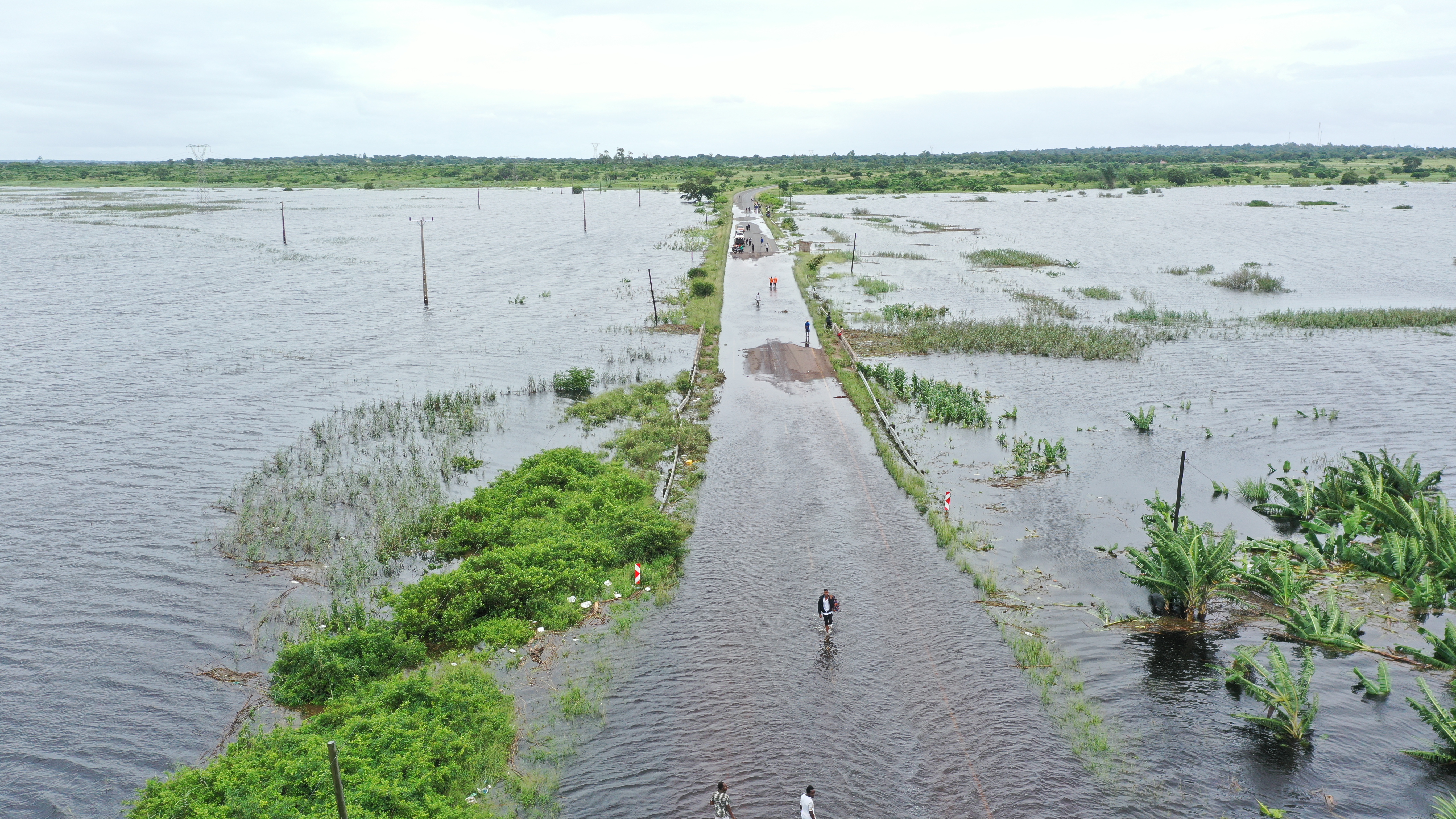
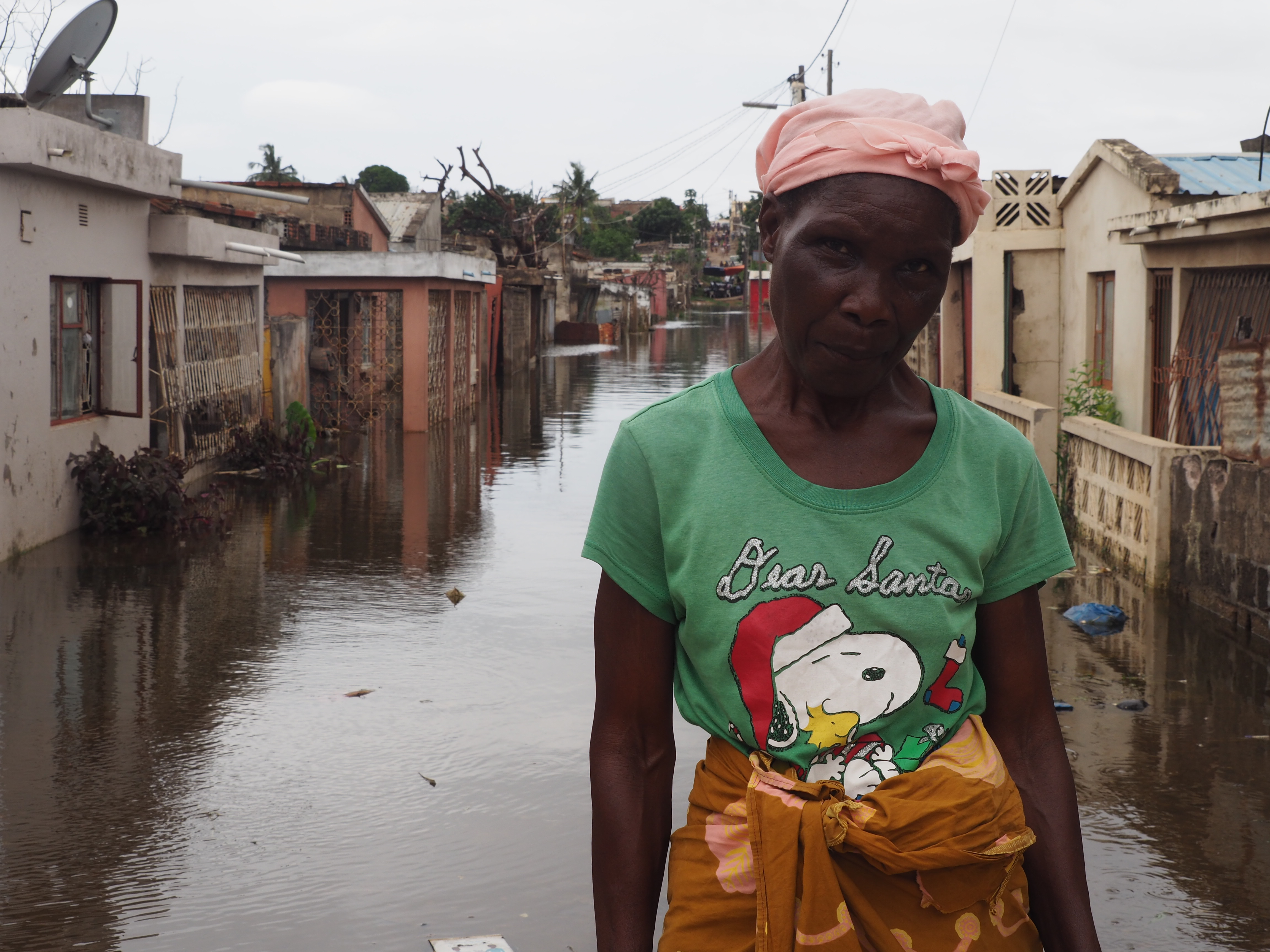
Southern Mozambique and parts of Zimbabwe and South Africa have been – and some
areas still are – once again under water. Being a downstream country, Mozambique is one of
the most climate vulnerable countries in the world. The reality of this is lived by our people
almost annually now. Over 150 people are dead and 400,000 people have been displaced,
with a total of almost 1 million affected people, due to the severe floods in January 2026.
In 2000, the country suffered other terrible floods, and the iconic image of those floods was a
baby being born on a tree before being rescued. The country and the world followed her
story. Despite all the media attention and support, Rosita Pedro died last month at the age of
25 from treatable illnesses. It is impossible not to think of so many other people who
continue to die across the country as a result of a state with misplaced priorities.
During this year’s floods, history repeated itself, with a few more “miracle babies”. A girl was
born on 19 January on a school desk in the village of 3 de Fevereiro, in the district of
Manhiça, Maputo province. Her mother, Erica Raimundo Mimbir, named her Rosita, certainly
hoping she outlives the ill-fated miracle baby of 2000.
The severity of these floods were known for many months, probably since September 2025.
Heavy rains were expected. Dams in the region had been on high alert, and as usual, ended
up contributing to exacerbating the disaster instead of mitigating it. Our government was
negligent: emergency response teams were not on site, and people already living in areas of
poverty and high risk did not receive the resources they needed to survive the floods. Where
were the evacuation plans, the preparation of public and private spaces to house the
displaced, the practical information about where is safe to go when the water begins to flood
our homes?
‘We all live downstream’ is a core part of environmental justice ethics, highlighting the
principles of environmental responsibility and ecological stewardship, our
interconnectedness as peoples and ecology. Our ubuntu.
It is the recognition that what some do affects everyone, and for generations to come. At JA!,
we are focused on building people power across the country, the continent and the world to
dismantle the different systems that oppress us – such as capitalism, racism and patriarchy.
We did not create JA! with the intention of being a humanitarian aid association. Yet the
crisis escalates daily, impacting our neighbors, our families, our own homes. After visiting a
few sites across Maputo city hosting floods survivors, we decided to focus our initial support
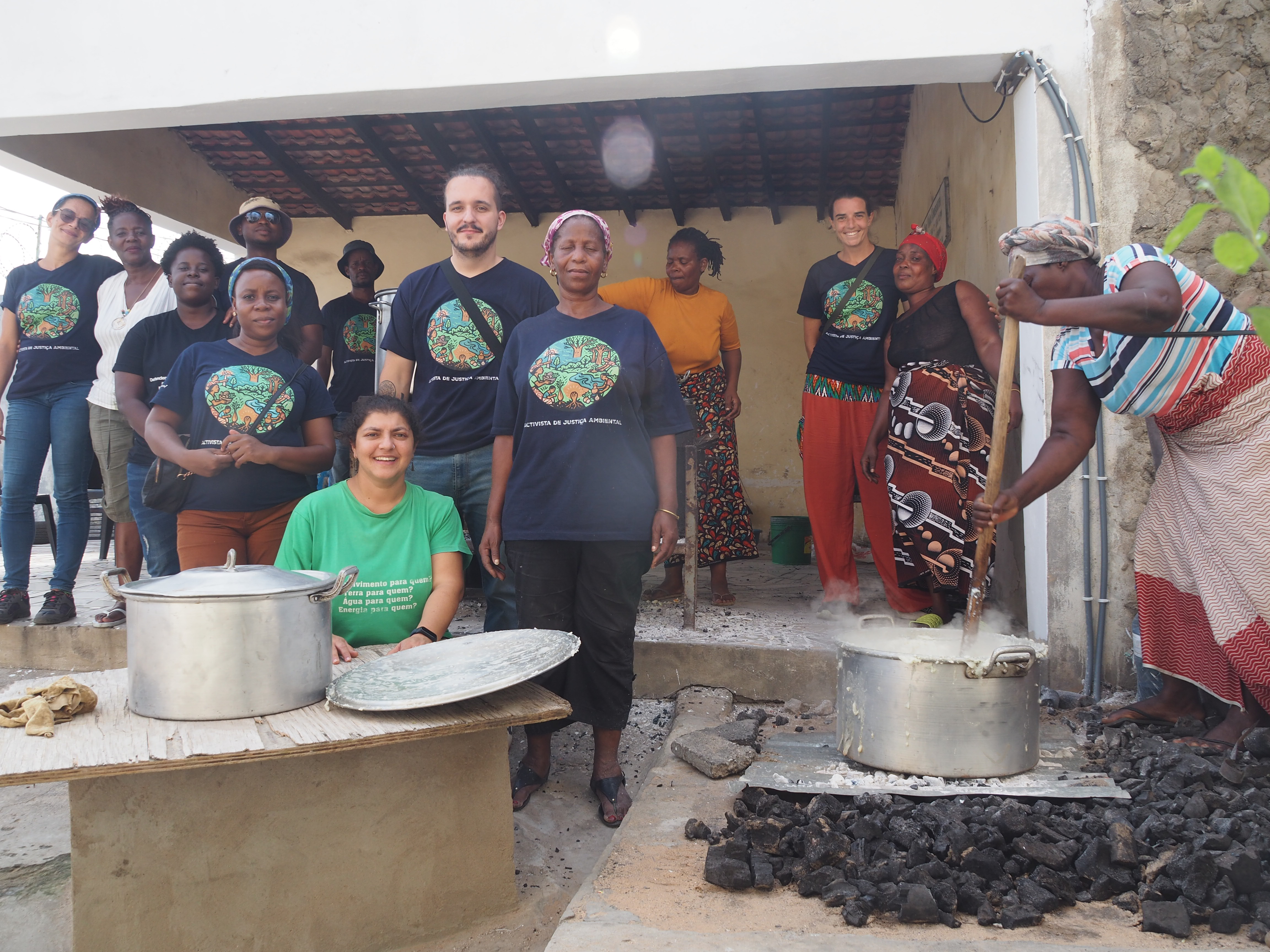
on Escola Mariazinha, in Hulene neighbourhood. We have already taken supplies and our
giant pots and pans multiple times now, running a solidarity kitchen and cooking and eating
with more than 100 adults and children each time. Many are still sheltering at the school
weeks later, with their homes still submerged.
We know that this emergency is not the end of this struggle, and so even as we contribute to
meeting basic needs, we are assessing the next steps with the community – discussing what
can be done to change conditions on the ground. An intervention with the Municipal Council
to demand that they pump out the water that has accumulated there, denounce the
corruption that exists in the emergency relief teams, and organise community clean-ups in
the streets are among the ideas that have emerged from the affected people themselves.
Meanwhile, comrades and partners from around the world are ready to mobilise and support
their Mozambican brothers and sisters, but receiving this solidarity also means navigating
bureaucracies that were designed to divide us: barriers to obtaining visas, accommodation
costs, non-existent state infrastructure to coordinate international support. Our government
has become so addicted to cycles of international debt with neoliberal predators that it has
forgotten the importance of true internationalist solidarity in times of crisis – something that
was so crucial in our liberation struggle against the Portuguese colonial regime. Our
government also seems to forget that, although Mozambique is on the front line of the
impacts of climate catastrophe, we have contributed almost nothing to global greenhouse
gas emissions, the main cause of climate change. We do not have to beg in international
forums, we do not need charity – we are entitled to payment of a climate debt by the
countries that have polluted the most.
The multiple interrelated crises will only continue to worsen. But we are not just victims: we
are agents of change. Organised and united communities are capable of taking action to
improve their lives today and in the long term. And because we believe this, we prioritise
building and strengthening movements at the local level, but also internationally. JA! is part
of, among other networks and alliances, the creation of the international movement of
communities affected by dams and the climate crisis, launched in Belém in November 2025,
which brings together people and collectives from all continents, united in the struggle for our
rights and for a systemic change.
If we know that the waters will rise, we must work together to learn to swim, build boats,
build communities, and demand change. As the waters rise, we must also rise. Our
collective survival depends on it.
 JA4change