"Only after the last tree has been cut down, Only after the last river has been poisoned, Only after the last fish has been caught, Only then will you find that money cannot be eaten." Cree Indian Prophecy
It has been 28 years of climate COPs, of empty talks without the necessary commitments, while emissions continue to rise and the countries of the global south, like Mozambique, are suffering the impacts of this crisis. This year, in the midst of a profound humanitarian crisis and a crisis of humanity due to the ongoing genocide in Gaza, and in total solidarity with the people of Palestine, Justiça Ambiental JA! is joining many other social movements in a complete boycott of COP28 in Dubai.
We also need to recognise that the hypocrisy of the climate negotiations has reached an unprecedented level. A COP taking place in a petro-state that commits war crimes, whose human rights record is appalling, which is chaired by an oil baron whose company has plans to increase fossil fuel exploitation, cannot possibly move towards the solutions we need.
This is a COP in which transnational agribusiness companies want to re-define food systems and accommodate them to their profit interests. It’s a COP in which false solutions such as REDD+, carbon markets, nature-based solutions, continue to gain traction instead of being recognised once and for all for what they are: a dangerous distraction. It’s a COP in which methane-emitting projects such as gas and mega-dams are promoted as if they were part of some just transition. It’s a COP that broke last year’s record – which in turn had already broken the previous year’s record – for the largest number of lobbyists for the fossil fuel industry.
The fact that year after year there are more representatives of the dirty energy industry than of the states most affected by climate change has had its effects. One example of this influence was in the Paris Agreement in 2015. Article 6 of this agreement instituted a system for exchanging carbon credits, which had long been one of the industry’s main proposals.
Let’s also not lose sight of Israel’s interest in these negotiations. COP28 is yet another element in its strategy to distract the world from the genocide it is perpetrating against the Palestinian people, with the support and arms of the United States. At the invitation of the United Arab Emirates (UAE), Israel is sending a large delegation to Dubai, including representatives of its main fossil fuel companies. In addition to dirty energy, in Dubai Israel will promote a series of technologies that were developed and tested thanks to the oppression and exploitation of the Palestinian people and land.
We refuse to contribute to legitimising or whitewashing this space.
On the contrary, we will continue to mobilise with movements around the world, such as at the Earth Social Conference, to debate the paths to a just energy transition in legitimate spaces, where affected communities set the agenda, not climate criminals. We will continue to fight for the Yasunisation of our territories. We will continue to stand united and in solidarity with all the peoples who are fighting for the right to say NO to extractivist projects. We will continue to demand that the industrialised countries pay off the climate debt to the countries of the South – but that this funding is not for the benefit of our economic and political elites. We will continue to support and amplify real solutions to the climate crisis – agroecology, community forest management, clean, decentralised and community-owned energy. These solutions are already being implemented around the world, by those on the frontline of the impacts of climate change.
The struggle continues, against companies and governments that whitewash Israel’s apartheid and promote false solutions to the climate crisis.
The struggle continues, driven by the principles of climate justice, in defence of our resources and territories, and in total repudiation of the climate colonialism that infests the halls and corridors of COP28 in Dubai!
Maputo and Paris, October 10, 2023 – A criminal complaint has just been filed in France against Total for manslaughter and failure to assist a person in danger, by survivors and families of victims of the devastating terrorist attack on March 24, 2021 in Palma, in Mozambique [1]. While Justiça Ambiental (JA!) / Friends of the Earth Mozambique and Friends of the Earth France had been warning since 2019 about Total’s responsibilities in developing its mega-gas project Mozambique LNG [2], despite the pre-existing and ongoing security and humanitarian situation, and the numerous human rights violations, this complaint confirms that the French multinational had not taken the necessary measures in view of the serious existing risks. While the situation in Cabo Delgado remains dramatic, JA! and Friends of the Earth France denounce Total’s intention to restart operations by the end of the year, with the support of French banks Crédit Agricole and Société Générale [3].
In June 2020, Friends of the Earth France, Mozambique and International published an investigative report entitled “Gas in Mozambique : a windfall for the industry, a curse for the country” [4], detailing the risks and impacts of the project on human rights, the environment and the climate, and the complicity of the French State. At the time, our organizations warned: “In a region plagued by escalating conflict, gas development is already turning into a nightmare for the people of Cabo Delgado”.
Following the terrorist attack in Palma, which caused the death of almost 1,200 civilians, Total declared force majeure and suspended operations in April 2021 [5]. Total was thus seeking to free itself from its contractual obligations with its subcontractors, many of whom are local. This not only affected the workers of Total’s subcontractors, but above all aggravated the situation of the local populations displaced by the gas project, who were abandoned without land or livelihoods, and with the compensation process halted without certainty around when or if it would resume.
The criminal complaint filed against Total confirms the transnational corporation’s scant regard for the local population and its subcontractors: despite being aware of the deteriorating security situation in Cabo Delgado and the likelihood of an imminent terrorist attack, the company was criticized for not even having adopted an evacuation plan. Worse still, according to the complaint, which is based in particular on the investigation by journalist Alex Perry [6], Total refused to provide assistance to the security company DAG, which had requested fuel for its rescue missions during the Palma attack. Prior to the attack, Total had pressured the Mozambican government to guarantee security to the gas area, which was reflected by the fact that, on the day of the attack, over 800 soldiers were protecting Total’s Afungi site whereas there was no security protecting the town nor the civilians [7].
Anabela Lemos, JA!’s Director, says: “Total’s negligence towards its subcontractors is another expression of the company’s criminal disregard for the people affected by its activities. We shall not forget that the majority of the victims of the Palma attack were the local people. We believe this legal action is important to challenge the impunity of these companies and we hope it expands the possibilities for Mozambican communities to pursue justice as well.”
The complaint also refers to the Uprights study, commissioned by Friends of the Earth Mozambique, France and Europe [8], which identified serious shortcomings in Total’s human rights impact assessments. In particular, the report highlights the company’s failure to account for the armed conflict and to address the human rights impact of its operations. As a result, the rights of local communities were violated.
Juliette Renaud, Corporate Regulation Senior Campaigner with Friends of the Earth France, says: “Since entering the gas business in Mozambique in 2019, Total has consistently underestimated the seriousness of the security and humanitarian situation, even failing in its duty to come to the aid of local communities and workers in mortal danger. Impunity must end and Total must be held accountable in court”.
Lorette Philippot, Private Finance Campaigner with Friends of the Earth France, says: “Today, Total is still trying to make its financiers and investors believe that the situation is under control and that the actions carried out by Mozambique LNG are having a positive impact on the living conditions of the population. Crédit Agricole and Société Générale need to urgently abandon this myth and stop supporting the oil and gas majors’ projects in Mozambique.”
On September 27, Total CEO Patrick Pouyanné announced to investors his goal of restarting the Mozambique LNG project by the end of 2023 [9]. However, on the ground, fundamental issues remain unresolved and most of the shortcomings identified by the Uprights report have still not been addressed by Total. Even though there are improvements in the security situation in Palma and around the project site, communities still don’t feel safe, civil society organizations and journalists are not operating freely, and the insurgency remains active in other areas of the province.
This project should not be resumed: the ground reality remains problematic, the gas contracts are unjust, and the risks to Mozambique’s people, climate and economy are extremely high.
Press contacts :
Justiça Ambiental JA! / Friends of the Earth Mozambique: Daniel Ribeiro, Technical and Research Officer – daniel.ja.mz@gmail.com ; +258 86 620 5608
Friends of the Earth France: Juliette Renaud, Corporate Regulation Senior Campaigner – juliette.renaud@amisdelaterre.org ; +33 6 37 65 56 40
Global Campaign to Reclaim Peoples Sovereignty, Dismantle Corporate Power and Stop Impunity
September 2023
The Global Campaign to Reclaim Peoples Sovereignty, Dismantle Corporate Power and Stop Impunity (Global Campaign) is a worldwide network of over 250 social movements, civil society organisations, trade unions and communities affected by the activities of transnational corporations (TNCs). Having actively participated in the negotiations for a legally binding instrument to regulate the activities of TNCs in international human rights law, as mandated by Resolution 26/9, the Global Campaign would like to express profound concerns regarding the Updated Draft Treaty as published in July 2023 by the Chair of the Open-Ended Intergovernmental Working Group (OEIGWG), the Ambassador of the Permanent mission of the Republic of Ecuador.
It is alarming that the process in the lead up to the updated draft has been marked with an unacceptable level of arbitrariness by the Chair. For instance, the weeks leading up to the 8th session of the OEIGWG were riddled with inconsistencies that give rise to important procedural and ethical concerns. First, the Chair released a series of unsolicited and untimely “Suggested Chair proposals for select articles of the Legally Bindign Instrument”, completely unrelated to the negotiation process, which he then imposed as a parallel negotiating document. Furthermore, despite the clear wording of Resolution 26/9, which states that the future Treaty will apply to TNCs and other business enterprises of a transnational character, the Chair seeks to extend the scope to all types of enterprises, including SMEs and public companies with no transnational activity. Instead of facilitating negotiations over this matter, the Chair, through his“Guidelines for Intersessional Work”, dictated his own incoherent interpretation both of the Chair’s mandate and the UN negotiating process, and illegally arrogated upon himself the powers of a judge.
While the Chair should facilitate the course of negotiations, maintaining impartiality and relying on a comprehensive understanding of delegations’ proposals and manifestations — as laid out by the UN stipulations on the “Substantive role of the Chair” — this new text reveals the Chair has significantly overreached his mandate. It is evident that the Chair’s approach leans more towards judgment than facilitation as he cherry-picks proposals instead of consolidating the textual inputs supported by most States that have been active in the process. With this latest draft, the Chair sets us back at least three years in the negotiations, benefiting TNCs and their allies, to the detriment of social movements, workers, peasants, and affected communities.
Indeed, while the updated draft now incorporates some demands and proposals that came from some States and civil society organizationsi, an initial examination of the text reveals that its content was significantly weakened, including in Articles 6 to 9; these articles will constitute, once their wording is corrected, key pillars of the future Treaty. The Global Campaign will conduct a deep technical and legal analysis of the updated draft, article by article, which will be released before the 9th session. However, we would like to highlight here some concerning and pressing issues related to the update draft:
1) Several important proposals from committed States were excluded or weakened, even when they had been widely supported by other States and civil societyii. At the same time, proposals made by only one or a few States were retained, despite the absence of significant support from other delegationsiii.
2) Key provisions were weakened or inexplicably disappeared, even though no delegation had explicitly requested that this be doneiv.
3) Key proposals for the elaboration of a strong and effective instrument coming from social movements and affected communities were deleted, while those of the representatives of TNCs were imposedv.
Considering the above, we call on the Chair to facilitate negotiations at the 9th session in accordance with the mandate of Resolution 26/9 of the United Nations Human Rights Council, and on the basis of the updated revised draft Treaty with the track changes (the only legitimate basis for negotiations), which includes all the proposals presented by the States in the last two sessions. We also urge the States committed to the process in favor of a Binding Treaty to be vigilant and to oppose any kind of diversion strategy.
Last but not least, we also call on the Chair to convene an inclusive international consultation with all State missions and ensuring the participation of civil society organizations prior to the 9th session, to discuss the program, agenda and methodology for the 9th session.
It is time for transparency, coherence, collaboration, and, above all, it is time for justice.
i The right to information, collective claims, participation in reparations, precautionary measures, applicable law, among others.
iii For example, the word “obligations” was replaced by “responsibility”, as requested by the US (followed by some other countries). This proposal ignores the fact that TNCs already have obligations in human rights law. Furthermore, the concept of “adverse human rights impact” has been integrated in Article 1 and all along the whole Treaty, despite this concept being legally inappropriate for this kind of instrument and its objectives.
iv Essential paragraphs were inexplicably removed and/or strongly weakened, including the prohibition on the use of forum non conveniens in Articles 7 and 9, the provision on penalties in case of violations (6.7) and on the undue influence of TNCs (6.8). In Article 7, other important provisions on the reversal of burden of proof (7.5) and the application of remedies (7.6) were also weakened by new language. As for Article 8, each provision is now “Subject to the legal principles of the State…”. It is important to state that these changes substantially reduce the capacity of the future instrument to tackle corporate impunity, to ensure effective legal liability mechanisms, thus obstructing access to justice.
v For instance, the updated draft fails to establish international obligations and effective legal liability mechanisms for TNCs, turning the future Treaty into a mere set of a guidelines for States to develop their own Due Diligence Legislation. Thereafter, powerful States close to TNCs would argue that there is no longer any need for a legally binding instrument since DDL would suffice to make TNCs liable. The updated draft fails to even incorporate elements of what could be the basis of a solid national legislation, one which surely cannot rely on due diligence mechanisms alone. To consult the main proposals of the social movements and affected communities, represented here by the Global Campaign, please see: https://www.stopcorporateimpunity.org/frontiers-of-an-effective-binding-treaty/ and https://www.stopcorporateimpunity.org/written-contribution-in-the-framework-of-the-inter-sessional-period/
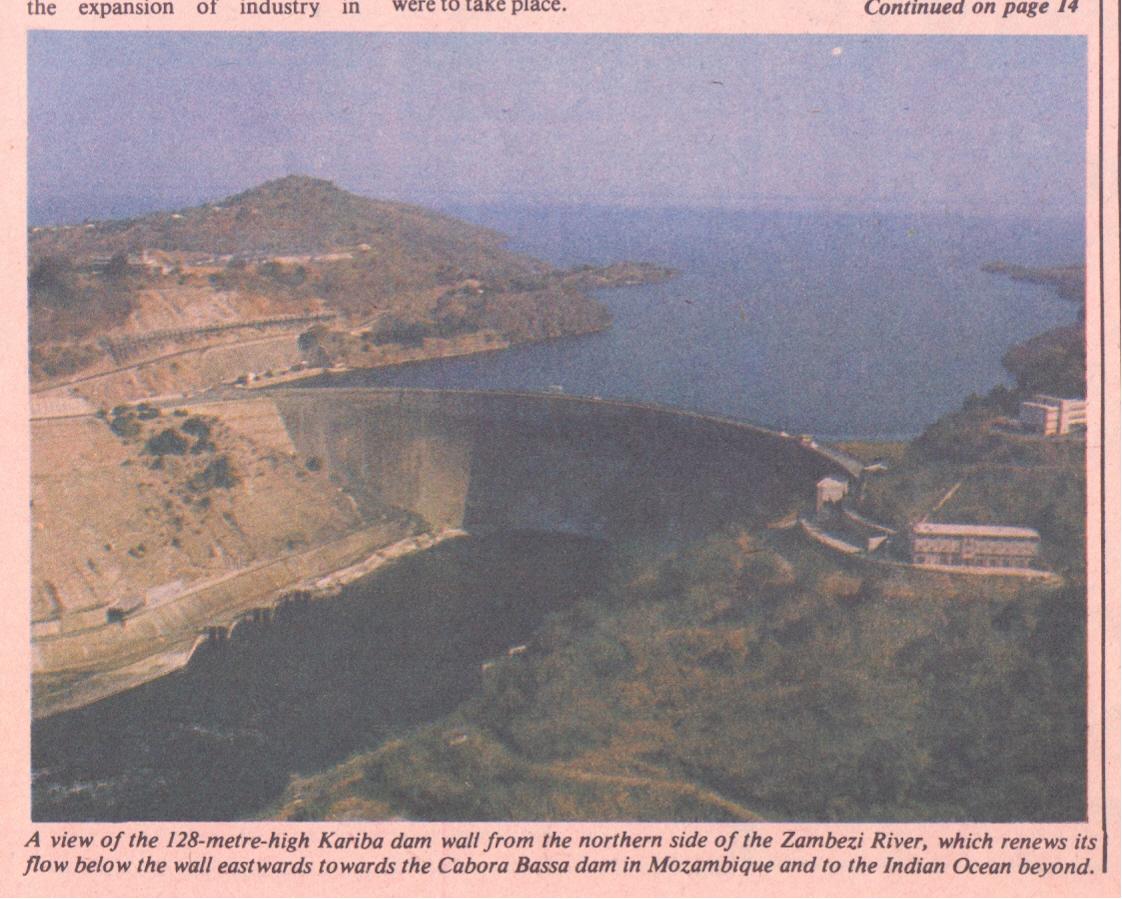
On 17 May 1960, the Kariba Dam was officially opened by the Queen Mother as part of her Royal Visit to the then Central African Federation (CAF) comprising Nyasaland, Southern and Northern Rhodesias (i.e. Malawi, Zimbabwe and Zambia respectively). Located in the north-western parts of Zimbabwe, the dam’s actual construction commenced in 1955 and was completed in 1958. It was designed by the French engineer Andre Coyne and built by an Italian construction firm, Impresit. The dam was constructed for the sole purpose of electricity generation, to provide energy to the growing industries in Southern Rhodesia and the Copperbelt mines in Northern Rhodesia during the world Post- World War Two. However, it later became a hub for many other socio-economic activities including conservation, hunting, modern exploration, tourism, recreation and fisheries. It was financed by the largest loan that the World Bank had given up until that time (Scudder 2005). The dam stands 128 metres tall and 579 metres long (as shown in Figure 1). The dam forms Lake Kariba, which extends for 280 kilometres (170mi) and holds 185 cubic kilometres (150,000,000acre⋅ft) of water.
The Kariba Dam Wall
The dam wall blocked the natural flow of the Zambezi River (at the Kariba gorge) which sustained life for many groups of people. Its construction resulted in unacceptable long- term environmental and social impacts that have been widely studied by professors Elizabeth Colson and Thayer Scudder over a course of 60 years (Colson 1971; Scudder 2005). However, findings from their studies are based on research conducted in Zambia, here a summary of such long- term effects on the Tonga, Shnagwe and Korekore speaking peoples of the Zimbabwean side are discussed. More than 57 000 people including the Tonga and Shangwe and Kore-kore speaking peoples were displaced from both sides of the Zambezi.
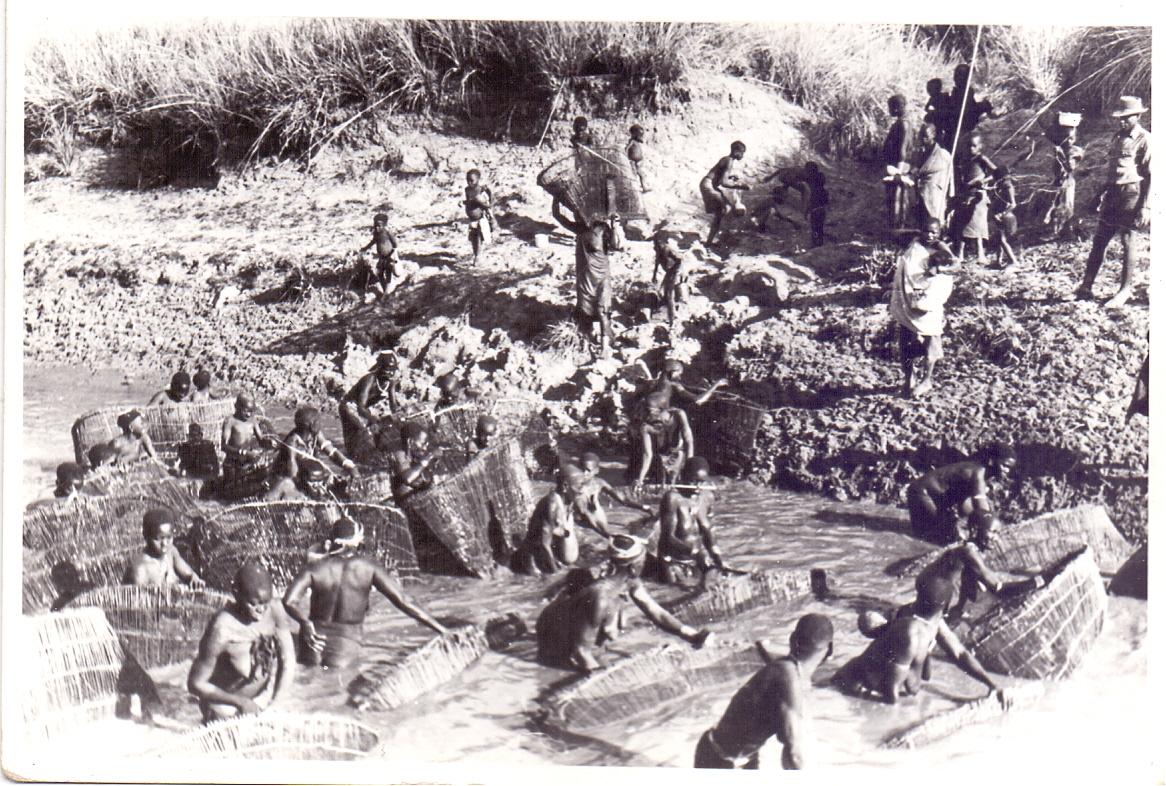
Before, the Kariba Dam construction, people’s homesteads were in the immediate vicinity of the river on both sides. Socio-cultural and economic life revolved around the river. As illustrated in Figure 2: fishing, riverine agriculture and livestock rearing formed the basis of the economy. In addition, the river had a religious significance to the Tonga, Shangwe and Korekore people. It had sacred pools, rapids and gorges (from Victoria Falls to the Kafue confluence) that were homage to their spirits including Nyaminyami the river god and ancestors (Saidi and Matanzima 2021). People had stronger attachments to the riverine landscapes. Sacred places along the river including rainmaking shrines, malende, marked by the presence of baobab trees were approached with awe and respect, and were burying grounds for the Chiefs. People from both sides of the river conducted ritual and religious ceremonies together. The river was not a barrier of communication, but it facilitated it.
Tonga women fishing with baskets in the Zambezi before Kariba Dam.
When the dam was constructed, there was permanent separation of communities. People were moved to two different countries. Also, within each country there were haphazard movements of people across chieftaincies that separated people (Matanzima and Saidi 2020). Since the late 1950s, most people never had a chance to reunite.
Cultural property (homes, religious sites) was destroyed by heavy machinery which was used to clear roads and inundation from flooding. Though, the Lake had inundated their cultural property; during the colonial period, the Tonga and Shangwe people were denied access to the waterscape for religious and economic reasons. In the postcolonial era, though they gained a certain measure of access, the Lake’s industries were dominated by major ethnic groups including the Shona and the Ndebele people. For this reason, people were not given adequate support to reunite with their spirits in the water. Riverine Identity was foreclosed. People had for a long time identified themselves with the River as they lived along it, but overnight this identity was lost. Resulting in them becoming identified through many derogatory identities including uncivilized, childish, lazy and two toed people. The attachment to the river that sustained economies, social life and culture abruptly ended.
In the long-term people were left with no natural assets to [re]construct sustainable livelihoods, resulting in long-term socio-economic impoverishment. There were also secondary displacements. In Mola, for example, growing conservation interests around the dam resulted in Tonga people being pushed further inland in the 1960s, where they conflicted with their hosts over natural resources. During the Zimbabwe’s Liberation War in the 1970s, they were displaced again. These forms of secondary displacements worsened their impoverishment.
It is essential to have such longitudinal data on the effects of dams for many reasons, including the following: a) Long-term data about the early dams to be constructed in this region including Cabora Bassa and Kariba are essential because we can draw lessons from them in our contemporary decisions to build dams; b) Longitudinal data can also be used in campaigns against the construction of dams, especially when we emphasize their intergenerational impacts on lives and livelihoods on impacted communities; c) in addition, such data can inform and reinforce the work of such civil society groups and NGOs as “International Rivers”, “RiverWatch” and “EuroNatur” whose work is to achieve social and environmental justice through raising awareness about the impacts of dam building; d) we are in a better position to assess the relevancy of dams in the long-term and coming up with decisions to decommission them. Dam decommissioning should be informed by adequate information about their advantages and disadvantages; and e) we also get to understand different shifts in the governance of dams over time and how that affect communities (including displaced people). In the case of the Kariba dam, for example, it has been governed both by colonial and postcolonial governments. Different policies are implemented in disregard of the impacted communities, which then worsen their plight. Apart from Kariba, the validity of longitudinal data has also been emphasized in studies of the resettlement impacts of the Three Gorge Dam in China by Brooke Wilmsen (Wilmsen 2016; Wilmsen and van Hulten 2017).
The ongoing long-term effects of large dams on Indigenous people raise the controversial question: do we still need to construct more dams? In recent years we have seen mega dams being decommissioned mainly in the global north because they become unnecessary in the long run. Such a turn in the relevancy of dams pushes us to [re]think our decisions to build dams.
In the contemporary haste to transition from use of fossil fuels to clean energy in order to meet the net-zero target, dams are increasingly being considered as an option for clean energy production by governments. This may entail that governments may need more dams than ever before. Which may mean minimal dam decommissioning. However, it is essential to consider other clean energy sources such as roof top solar systems that have minimized impacts on human communities and the environment. Energy transitions must be achieved through ‘just’ methods that do not harm Indigenous communities and the environment. We should consider stopping dam building especially when its unnecessary and consider other options. The unnecessary nature of dams can be calculated through cost benefit analysis and their overall long term social and environmental impacts. Research has shown that in most cases the costs of maintaining a dam exceeds their benefits (Ansar et al. 2014; Scudder 2017, 2019).
Sources:
Ansar, A., Flyvbjerg, B., Budzier, A., & Lunn, D. (2014). Should We Build More Large Dams? The Actual Costs of Hydropower Megaproject Development. Energy Policy, March 2014, 1-14. Retrieved from SSRN: https://ssrn.com/abstract=2406852
Matanzima, J., & Saidi, U. (2020). Landscape, belonging and identity in Northwest Zimbabwe: A semiotic analysis. African Identities, 18(1–2), 233–251. https://doi.org/10.1080/14725843.2020.1777839
Saidi, U., & Matanzima, J. (2021). Negotiating Territoriality in North-Western Zimbabwe: Locating The Multiple-Identities of BaTonga, Shangwe, and Karanga in History. African Journal of Inter/Multidisciplinary Studies, 3(1), 61–74. doi: 10.51415/ajims.v3i1.864
Scudder, T. (2005). The future of large dams: Dealing with social, environmental institutional and political costs. Earthscan.
Scudder, T. (2017). The good megadam: Does it exist, all things considered? In B. Flyvbjerg (Ed.), The Oxford handbook of megaproject management (pp. 428–450). Oxford University Press.
Scudder, T. (2019). Large Dams: Long-term impacts on riverine communities and free-flowing rivers. Springer Nature.
Wilmsen, B. (2016). After the Deluge: A longitudinal study of resettlement at the Three Gorge Dam. World Development, 84, 41-54.
Wilmsen, B., & van Hulten, A. (2017). Following resettled people over time: The value of longitudinal data collection for understanding the livelihood impacts of the Three Gorges Dam, China. Impact Assessment and Project Appraisal, 35(1), 94-105. DOI: 10.1080/14615517.2016.1271542
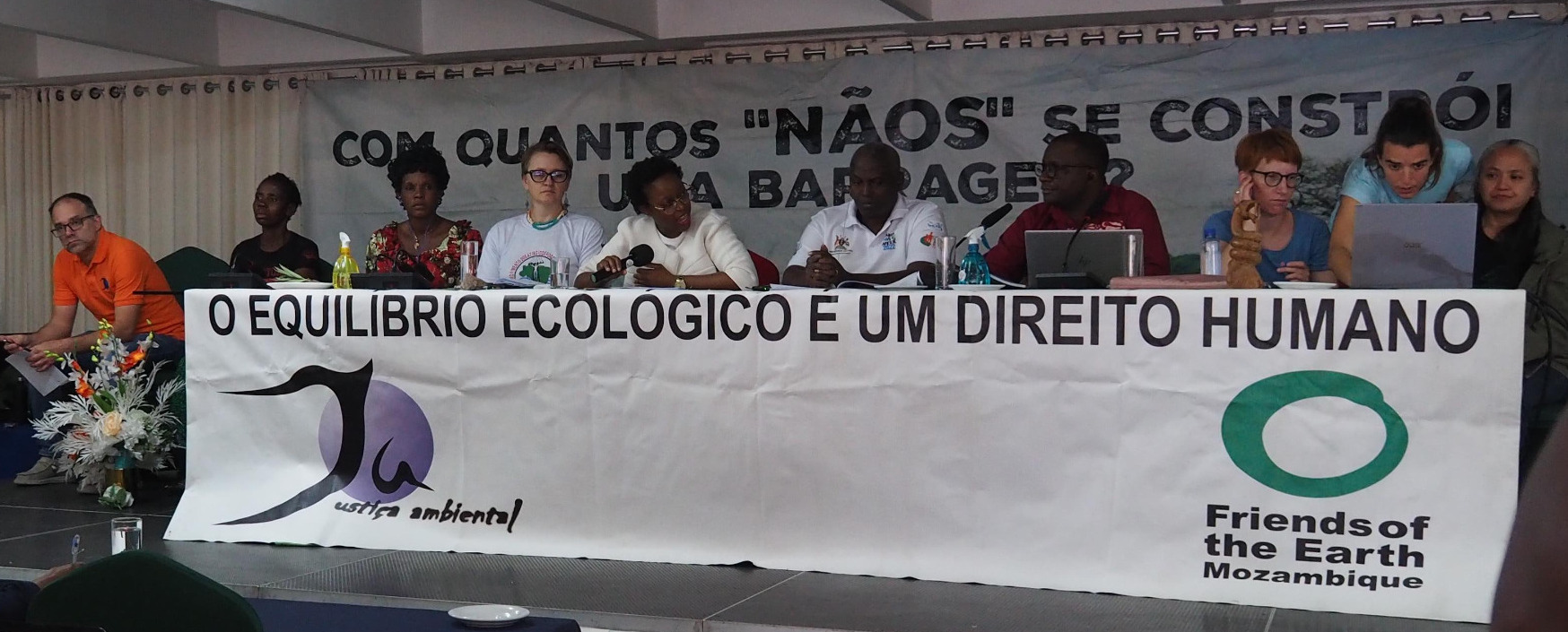
We, the social movements, civil society organisations, grassroots communities, lawyers, academics, experts and others, from several provinces of Mozambique and also from South Africa, Zimbabwe, Zambia, Democratic Republic of Congo, Uganda, Nigeria, Cameroon, Sri Lanka, Philippines, Brazil, Cuba, France, Ireland, Switzerland and Bosnia-Herzegovina, have met at our 4th International Conference on Rivers and Dams in Maputo, Mozambique, on 6th July 2023.
We acknowledge the decades-long history of dam struggles, this declaration builds on the Manibeli declaration 1992, Curitiba 1997, Rasi Salai 2003 and Temaca 2010, and we move towards the fourth International Meeting of People Affected by Dams, to take place in the Brazilian Amazon, in 2025.
We note that we live in a capitalist, imperialist, neocolonial, patriarchal and racist system that is the main enemy of rivers and communities, that places profits above life and grabs territories and common goods. We commit ourselves to build an alternative to this system of death, violence and destruction, and to continue mobilising at all levels towards an energy model for peoples, in defence of life, peace, health, education, water, energy, food and decent work. We stand for internationalist solidarity, system change and power to the people.
We denounce the human rights violations of dam-affected communities across the world, including past injustices which have still not been redressed. We reiterate that any struggle in defence of territories and human rights is legitimate, fair and necessary. Specifically, we denounce the intimidation and persecution of local communities by the Mphanda Nkuwa dam project proponents in Mozambique for speaking up and resisting against this project and we reaffirm our solidarity with all affected peoples.
CONCERNS
We note with concern that over 200 million people globally have already been displaced due to dam projects, while millions more have lost their livelihoods. Africa, Asia and Latin America are the regions most affected by dams, with many displaced peoples. In Africa, for example, 57,000 people in Zimbabwe and Zambia were displaced by the Kariba Dam in the late 1950s; 100,000 people in Egypt and Sudan by the Aswan Dam; 80,000 people in Ghana by the Akosombo Dam and thousands in the Democratic Republic of the Congo by Inga I & II. In Asia, for example, the Sardar Sarovar Dam on the river Narmada in India displaced 200,000 people; China’s Three Gorges dam displaced 1.2 million people; Kaliwa dam in the Philippines stands to inundate 28,000 hectares of forestland in indigenous ancestral domain, and many others.
We are concerned that the human rights of dam-affected communities, particularly indigenous peoples, are systematically violated. They face harassment, intimidation, incarceration and other abuses. Compensation is usually unfair, inadequate, and delayed, if it takes place at all.
We note that as the climate crisis worsens, the hydropower industry is attempting to recast large dams as a climate-friendly energy source but nothing could be further from the truth. Dam reservoirs, particularly in the tropics, are aglobally significant source of methane, a potent greenhouse gas. Free-flowing rivers, on the other hand, playa crucial role in trapping carbon. Dams are uniquely vulnerable to floods and droughts – which are only increasing in frequency and severity with climate change – raising the risk of dam failures during floods and power outages when reservoirs run dry. Also, big dam reservoirs flood forests and agricultural land and destroy biodiversity and fisheries, while leaving downstream wetlands and forests dry. These impacts worsen the ability of ecosystems and the indigenous and rural peoples that depend on them to adapt to climate change.
We note with concern that now the hydropower industry is again trying to rebrand dams as green by promoting hydropower as a key fuel source for hydrogen. This is another false solution which carries huge risks and is not designed to provide energy for local people, but rather for export to foreign markets.
We denounce international financial institutions, banks and companies that are involved in financing and construction of dams while disregarding the negative impacts to peoples and planet.
We understand that not only mega dams but also small dams and run-of-river projects bring negative environmental and social impacts to society and ecosystems. Hydropower is presented as clean energy, but the construction and use of hydropower causes permanent damage to the environment and the destruction of river-dependent ecosystems.
We are encouraged by the World Commission on Dams (WCD) report, released by President Nelson Mandela 23 years ago, in 2000, whose key findings demonstrated that the purported benefits of large dams are regularly undermined by cost overruns and delays while most dams, particularly in the global South, under-perform, and that the social and environmental costs of dams borne by affected communities, downstream communities, taxpayers and the natural environment have been “unacceptable and often unnecessary”.
DEMANDS
We strongly call upon the governments, corporations, financiers and United Nations bodies to:
Stop construction of all dam projects on our rivers until the guidelines of the World Commission of Dams (WCD) are fully followed, and decommission all old and inefficient dams while redressing past injustices caused by these dams.
Stop international financing and public subsidies going to dam projects, from the World Bank, Belt Road/Asian Infrastructure Investment Bank, African Development Bank, and others.
Address the historical injustices perpetrated against displaced communities for the last many generations, by the Narmada, Belo Monte, Inga I and II and Kariba dams, and against many other victims of dam displacements globally.
Protect the land, forest and other rights of Indigenous Peoples and local communities, including customary rights.
Focus on energy access for almost 800 million people worldwide, 600 million of whom are in Africa. We demand community-owned, locally-appropriate renewable energy options instead of big damaging dams.
Stop the criminalisation of dam-affected communities and struggles, and the militarisation in dam-affected areas.
Ensure Free, Prior and Informed Consent (FPIC) of Indigenous Peoples and affected communities, including their right to say NO.
Adhere to the World Commission on Dams (WCD) guidelines for public participation and consultation in decision-making related to rivers and water at all stages of planning.
Ensure that existing dams have acceptable ecological flows and that biodiversity, natural species and sensitive habitats are protected, not turned into commodities, as a real solution to tackle the climate crisis.
Swiftly finalise, adopt and implement a strong and effective UN binding treaty to stop the impunity of transnational corporations, which is relevant and appropriate in responding to the struggles of peasant communities, fisherfolk, and people affected by extractivism in the global South.
Stop the export of the resources of Africa and the global South, including hydrogen, for the benefit of others.
RIVERS FOR LIFE, NOT FOR DEATH!
ADOPTED BY THE INDIVIDUALS, ORGANISATIONS AND COLLECTIVES PRESENT AT THE 4th INTERNATIONAL CONFERENCE ON RIVERS AND DAMS, JULY 6th 2023:
Organisations and collectives
Action pour les Droits, l’Environnement et la Vie ADEV (Democratic Republic of the Congo)
Alternactiva – Acção pela Emancipação Social (Mozambique)
Basilwisi Trust (Zimbabwe)
BioVision Africa (Uganda)
Centre Congolais pour le Développement Durable CODED (Democratic Republic of the Congo)
Center for Environment (Bosnia and Herzegovina)
Centre for Applied Legal Studies CALS (South Africa)
Centre pour la Justice Environnementale (Togo)
Centro de Educación y Promoción de Desarrollo Sostenible CEPRODESO (Cuba)
Centro Memorial Martin Luther King Jr. CMLK (Cuba)
Coalition pour la Réforme et le Suivi de l’Action CORAP (Democratic Republic of the Congo)
FishNet Alliance (Africa)
Friends of Lake Turkana (Kenya)
Friends of the Earth Africa (Africa)
groundWork (South Africa)
Grupo de Jovens Activistas de Moatize GJAM (Mozambique)
Health of Mother Earth Foundation HOMEF (Nigeria / Africa)
Justiça Ambiental JA! (Mozambique)
Legal Right and Natural Resources Center LRC (Phillipines)
Missão Tabita (Mozambique)
Movimento de Atingidos por Barragens MAB (Brazil)
Movimiento de Afectados por Represas MAR (Latin America)
Mulher, Género e Desenvolvimento MuGeDe (Mozambique)
Observatório das Mulheres (Mozambique)
Pro Natura / Friends of the Earth Switzerland (Switzerland)
Right to Say No Campaign (South Africa)
Solidarité des Femmes sur le Fleuve Congo SOFLECO (Democratic Republic of the Congo)
South African Waste Pickers Association SAWPA (South Africa)
South Durban Community Environmental Alliance SDCEA (South Africa)
Southern Africa Campaign to Dismantle Corporate Power (Southern Africa)
Vaal Environmental Justice Alliance VEJA (South Africa)
Women of Change (Lephalale, South Africa)
WoMin African Alliance (Pan-african network)
Individuals
Alexandre Morais (Mozambique)
Alex Chipissani (Mozambique)
Allan Basajjasubi (Jurist – South Africa)
António Morais (Mozambique)
António Vicente Sede (Mozambique)
Aparício de Nascimento (Mozambique)
Ana Brígida Novela (Mozambique)
Anabela Lemos (Mozambique)
Apollin Koagne Zouapet (Human rights lawyer – Cameroon)
Bertrand Sansonnens (Switzerland)
Carlos Mhula (Mozambique)
Celso dos Anjos Pereira Dias (Mozambique)
Charles Artur (Mozambique)
Ching Maganiso (Mozambique)
Christopher Mweembe (Zimbabwe)
Daniel Américo (Mozambique)
Daniel Ribeiro (Mozambique)
David Sthuntsha Mokoena (South Africa)
Desmond D’SA (South Africa)
Dipti Bhatnagar (Mozambique)
Eliana N’Zualo (Mozambique)
Erika Mendes (Mozambique)
Farelo dos Reis (Mozambique)
Fátima Lenade (Mozambique)
Fazbem Artur (Mozambique)
Félix Manuel (Mozambique)
Janete Eusébio Cantiga (Mozambique)
Jorge Josefa (Mozambique)
Juan Francisco Santos Estévez (Cuba)
Latifo Patreque (Mozambique)
Lenine Francisco (Mozambique)
Lídia Zacarias (Mozambique)
Lourenço Cesário (Mozambique)
Lucas Atanásio Catsossa (Mozambique)
Lucy Pitse Duba (South Africa)
Mahomed Shahid Jusob (Mozambique)
Mai Taqueban (Philippines)
Mantwa Mokoena (South Africa)
Manuel Passar Luciano (Mozambique)
Moisés Cuambe (Lawyer, Mozambique)
Neli Vicente (Mozambique)
Nino Cesário (Mozambique)
Patrick Martin Bond (Center for Social Change, University of Johannesburg, South Africa)
At a time when the power and influence that TotalEnergies has in our country is becoming increasingly evident and frightening – to the point of interfering in decisions that we should be making in a sovereign manner, linked to the security and defense of the state – little did the news surprise us that the consortium of EDF, TotalEnergies, Sumitomo Corporation and Kansai had been selected as a strategic partner for the Mphanda Nkuwa mega dam project.
Although expected, this news should concern and outrage us. After all, this consortium that the Mphanda Nkuwa Hydropower Project Implementation Office (GMNK) presents to us as robust and experienced, is composed of a number of transnational companies whose conduct in terms of respecting Human Rights and preserving the environment is highly reprehensible, and this should serve as a red alert.
Who’s who in the Franco-Japanese consortium
France’s largest energy company, EDF, whose majority shareholder is the French state, in addition to owning a number of nuclear power projects, was in charge of a project to build wind farms in the Oaxaca region of Mexico. EDF and its local partners have violated the Mexican law, which requires that any decision regarding land use in that region occupied by indigenous peoples must be taken by a community assembly. Quite the contrary: large contracts have been signed and concluded between the Eólica de Oaxaca company (a subsidiary of EDF) with individuals from the community, who have acted as if they were private landlords. Energy supply contracts and a memorandum of understanding with the Oaxaca state government for the construction of the Gunaa Sicarú wind farm were entered into without any prior proper consultation with members of the local community of Unión Hidalgo. When the community began to challenge the legality of the wind farm project using domestic legal procedures, arguing on the basis of their right to free, prior and informed consent, they began to suffer increasing attacks and were subjected to violence and threats due to their opposition to EDF’s project. After 5 long years of struggle in defense of their rights to land, territory and natural resources by the Zapotec community of Unión Hidalgo, together with the Mexican organization ProDESC, the Federal Electricity Commission of Mexico definitively canceled the contracts with EDF.
About Total, now renamed TotalEnergies, unfortunately the cases in which this French transnational is involved in human rights violations and environmental destruction abound.
The numerous legal cases that currently exist against the company explain this scenario. The cases range from allowing its gas plant to be used as a prison in Yemen, where serious human rights violations are taking place and there are accusations of torture; impacting over 100,000 people with its EACOP project in Uganda, with testimonies of numerous cases of intimidation and repression associated with the project, loss of livelihoods, and failure to meet its obligations to compensate Ugandan families who lost their land. The impacts of TotalEnergies in Cabo Delgado are already better known in our country, and Justiça Ambiental and other researchers and organizations have been publishing numerous reports on the subject, whether about its criminal contribution to the climate crisis, the human rights violations of local communities, the destruction of ecosystems and the environment, and its links to the violent insurgency. When these flagrant violations are denounced, TotalEnergies evades its responsibilities, either stating that the problems related to the resettlement process are the responsibility of the previous company Anadarko, or using international experts to pass on the responsibility for the conflict in Cabo Delgado entirely to the government of Mozambique.
The Japanese companies – Sumitomo Corporation and Kansai – also have a very tarnished image, especially in environmental and labor issues. Sumitomo Corporation, in particular, is accused of “repeated human rights violations” and of violating its own internal policies at its Miami office. The labor union accuses the company of threats, retaliation and other forms of intimidation to several of its members regarding their union organizing efforts.
What do all these companies have in common? Their destructive and inconsequential behavior towards the planet, the climate and the people directly affected by their activities, and their commitment to profit at any cost.
The meandering path we already know
The proposed Mphanda Nkuwa Dam on the Zambezi River is perhaps the most controversial mega-dam project on the African continent, and certainly the one that has faced local, national, and international resistance for the longest time. For more than 22 years, civil society organizations, experts, scientists, and academics have been warning the government about the risks of this project and its likely impacts, and numerous studies have denounced the impacts already caused even before the first stone had been laid. With some make-up in recent years, the project continues to remain silent about fundamental questions that have already been asked by Justiça Ambiental and various other stakeholders, such as:
Why have local populations been excluded from the decision-making process regarding this project, and they are only beginning to be visited 4 years after the GMNK was created?
Where and under what conditions are local populations to be resettled, given the serious levels of land conflict already existing in Marara District?
Why are the Terms of Reference of the studies being developed not shared, and why does GMNK evade due public scrutiny, while claiming to follow international best practices and procedures?
What other lower impact energy alternatives have been considered, and why is there no public debate about them?
Why have local community members, traditional leaders, and civil society organizations raising concerns about this project been intimidated, repressed, and even called terrorists?
What do we expect then from a project already with clear indications of being environmentally destructive, socially unjust, and exacerbating social tensions, when it is placed in the hands of transnational companies of greater economic power than our state, and who insistently evade responsibility whenever their activities contribute to the violation of human rights and the destruction of the environment?
And because we cannot afford more failed megaprojects in our country, Justiça Ambiental remains committed to stopping this project until these and other questions are properly answered, to contributing to studies and analyses that will shed light on the dark side of this project, and to working with local communities and national and international partners to safeguard peoples’ right to self-determination and sustainable and inclusive development. Until the benefits of this megaproject to the people and to Mozambique are properly and adequately proven, we reiterate: NO to Mphanda Nkuwa.
This article was originally published in the local newspaper Savana on June 09, 2023.
Karpowership, a highly controversial company, is planning to develop power-generation operations off the coast of Maputo. Karpowerships will be only a few kilometres from the shore, and will have a detrimental impact on the city’s people with heavy air pollution and safety risks. Even worse, much of this energy will not even go to Mozambicans, but to South Africa.
The company is a subsidiary of Turkish company Karadeniz, which is embroiled in scandals in several countries, and has been exposed for major corruption, threatening civil society and submitting faulty impact assessments.
Karpowerships are offshore vessels, floating power plants that use gas to produce power. Karpowership has partnered up with EDM (Electricidade de Mozambique), and much of the power generated from the ship in Maputo will go to South Africa, most likely Eskom, the state power electricity provider, which is currently facing a massive corruption disaster and crisis, with rolling blackouts for South Africans. It is also unclear where this gas will be supplied from.
The Constitution of Mozambique recognises that all citizens have the right to a healthy and balanced environment under Article 90, and establishes an obligation on the Government to protect the environment and the human quality of life. The Constitution also obliges the Government, within the framework of the right to a healthy and balanced environment, to ensure a rational use of resources safeguarding the environment capacity to regenerate, ecological stability and rights of the future generations.
The Karpowership will be terrible for the environment of Mozambique, which is already suffering because of the extractive and fossil fuels industries around the country. It runs on the massively-toxic heavy fuel oil (HFO), which is the dirtiest fuel left behind from the process of refining crude oil. HFO is not meant to be used near urban areas, and has been banned by the United Nations because of the high amount of toxic fumes of sulphur dioxide, nitrous oxide and other heavy metals, as well as cancer-causing chemicals it emits into the atmosphere. This will be emitted into the air that is directly breathed by the populations of Maputo and Matola. The Karpowership will also be dumping high amounts of hot water into the Maputo Bay, raising the temperatures to a point that drives away fish and sealife, in turn lowering catches for fishermen and destroying wildlife marine reserves like Inhaca Island which brings international tourists and scientists to Mozambique. Karpowership is already supplying electricity to Mozambique from a ship in Nacala, which has been running on HFO since they began operating in 2018, and will likely do so for the rest of the 10 year period.
A number of civil society organisations in Mozambique are challenging Karpowership’s Environmental Impact Assessment (EIA) for the project. Karpowership opened a period for public consultation in November 2022, when they presented an EIA that was inadequate and with many deficiencies. They claimed, incorrectly, that their project was part of Category A activities which made its EIA requirements more lenient and with less procedures, when in fact, the proposed activity involved stockage and transformation of fossil fuels that make it are part of a Category A+, which in turn requires their EIA to be submitted for an independent peer review. As a Category A+ project, it would be subjected to a stricter control by the authorities as well as by the public.
Karpowership has been trying to operate in neighbouring South Africa for years but has been facing resistance from civil society, while also flouting regulations. Perhaps now, realising that South Africa might be too difficult, they have decided to try Mozambique, where regulations are more soft and institutions are not as independent as in South Africa.
South African civil society stood up to oppose the first round of EIAs. On 31 March 2021, organisation groundWork made a submission to Triplo4, the consultant for Karpowership SA. The submission detailed all the issues with the project, and shared them with the Department of Forestry, Fisheries and the Environment (DFFE) and the Department of Mineral Resources (DMR), which included that:
Contrary to the government’s statements, the cost of Karpowerships is not the cheapest, and the vessels are actually meant for short-term supply, while the 20-year contract will create a lock-in leading to higher tariffs and less affordable and accessible energy
The EIA Scoping and Environmental Feasibility did not refer properly to a Climate Change Impact Assessment, as required by South African and also by Mozambique EIA regulations. They did not consider basic information such as emissions from gas production, gathering, processing, initial transport, and HFO liquefication. These omissions are a major problem, considering that they would show how gas will have an equivalent, or even worse, impact on the climate as coal.
They also used figures from the Intergovernmental Panel on Climate Change (IPCC) report from 2007, when the most recent one at the time gave updated figures showing that methane had between 28-36 times the global warming impact of C02 over a 100-year period. The 2007 report says that this number is much lower, at 21. Furthermore, the mitigation measures for the impacts of GHG emissions from the ships are entirely undeveloped and inadequate
Regarding air quality, Karpowerships are not supposed to be near urban areas, but the location of these vessels so close to the coastline mean that coastal communities would be exposed to the pollution from the vessels anytime the onshore wind is blowing.
The atmospheric impact report section of the EIA was highly flawed – it does not measure toxic emissions from natural gas combustion and natural gas leaks. It also does not consider the serious risk of an explosion which will be totally disastrous for the air and people living nearby.
Half of the jobs of the project will be short-term construction while the long term positions are skilled job that will likely be filled by Turkish crew. Several communities, including different types of fishing communities may be harmed and their livelihoods affected, but the EIA does not consider this.
Public participation was totally inadequate – neither fishing communities for tribal communities were recognised and important persons or even notified about the proposed development and consultation. Many communities who were notified did not receive sufficient information, or could not afford technology to access this information online. In the case of Mozambique, the Prosecuting Authority has the mandate to defend and protect collective and environmental interest and surprisingly did not participate in the consultation.
Furthermore, in South Africa, one of the reasons the government had put out a bid was because of the need for ‘emergency energy’, and planned to sign a 20 -year contract with Karpowership SA. However, groundWork says that this so-called emergency was due to poor decision-making skewed in favour of fossil fuel development, and that “dig a yet deeper hole and put a just transition to a low carbon economy further out of reach.” They added that “Signing a 20-year contract to procure power from Karpowerships is effectively locking in gas for that time, crowding out space for ever-cheaper and more reliable clean energy, and exacerbating the climate crisis”.
These, and other issues in the comments from civil society led to the DFFE refusing Karpowerships SA’s environmental authorisation.. After they amended their EIA based on the government’s refusal, it still was not good enough. In December 2022, more comments were submitted by groundWork, the South Durban Community Environmental Alliance (SDCEA) and the Green Connection supported by legal organisations Centre for Environmental Rights, Biodiversity Law Centre and Natural Justice.
Karpowership SA’s second EIA again failed on all three sites and in 2023, the DFFE suspended a secondary EIA for yet another powership at the port of Ngqura. .
While all of this is going on, a simultaneous process was being undertaken to stop the Karpowership license from another angle. The Organisation Undoing Tax Abuse (OUTA) launched a legal challenge to review South Africa’s National Energy Regulator (NERSA)’s decision to grant Karpowership SA three Independent Power Producer (IPP) generation licences. NERSA had awarded these licenses to Karpowership SA even though the projects had not get been given environmental authorisation by the DFFE, there were no port authority permits or gas pipeline permits, and Karpowership SA had not yet reached financial close despite this being a condition of the Department of Minerals and Resources’ award of Karpowership SA as the preferred bidder in its emergency procurement. This process is still ongoing.
At the end of 2022, CER published a report about the financiers of Karpower – Standard Chartered (United Kingdom), Investec Group (South Africa), Isbank (Turkey) and MCB Group (Mauritius) – who provided Karpowership with a US$ 140 million loan. Following this report, Karpowership tried to intimidate activists by sending them a lawyer’s letter, claiming they had made ‘defamatory statements’, but their claims were unfounded.
As shown above, South Africa is perfect example of Karpowership’s corruption and how they tried to undermine the processes of a country. In an interview in February with Andre de Ruyter, the former CEO of Eskom, he said Karpower had “an extensive legacy of alleged corruption, breaches of contract and abuse”, and that “There is absolutely no justification for concluding a 20-year agreement with a company that can raise the anchor, literally, and sail away with the asset the country has paid for.” Eskom is currently in a major crisis, with the government calling the ‘loadshedding’ a state of disaster.
Now, in Mozambique, The Scoping and Environmental Feasibility Report did not consider the impacts on marine ecology, like the waste discharge and leakage, and dismissed the impact that the vessel will have on the marine environment, as well as the risk of a gas spill. Sao Sebastiao estuary, where the Karpowership will be located, is also surrounded by mangroves. Mangroves have an exceptional ability to capture carbon and serve an additional role in mitigating severe storms, and serve as a habitat for fish and crustaceans. Karpowership and Electricidade de Moçambique (EDM) claimed that the impacts on mangroves will be temporary and due to power transport lines. The EIA regulations in Mozambique do not distinguish between temporary and non-temporary impacts on mangroves and require that all activities with impacts on mangroves to A+ category which requires an independent peer review.
The Scoping and Environmental Feasibility Report also has gaps regarding the qualitative noise impact on megafauna, including the dolphin and mangrove habitats, important birds and communities living around the area and cumulative impacts as the area is closest to a coal terminal port, and many other industries, including a cement factory. In South Africa DFFE’s refusal bore socio-economic and environmental considerations including the EIA’s gaps on qualitative noise impact assessment.
Mozambique has no regulations or standards on noise quality, and this fact makes Mozambique favourable to opportunistic investors, as environmental licence does not take into consideration noise impacts. Although the EIA regulations imposed an assessment of cumulative impacts and air and water quality standards, the absence of an environmental load capacity allowed more and more projects without any consideration of the impacts on the environment and quality of life as a whole. Karpower completely ignored the impacts of one more activity in an environment already under pressure.
Bit this is not the first time that Karpowership parent company, Karadeniz Holdings, which is registered in tax-haven Malta, is embroiled in major corruption controversy. In Lebanon, in 2021, the state’s financial prosecutor ordered two Karpowerships to be impounded following slapping it with a $25 million fine for corruption, after which Karpowership punished the government by shutting down energy supply to the country, leading to power blackouts.
In Mozambique the agreement signed between Karpower and EDM and the information about the financiers are not available to the public. financiers.
In Brazil, in 2022, the courts demanded a suspension of the installation and operations of the four Karpowership plants, due to this failure to submit an EIA, and the damage it would cause to the sensitive ecological Sepetida Bay and fishing communities, as well as fined the company for not meeting deadlines.
Karpowership has behaved badly in so many other countries, and with the lax regulations in Mozambique, it will be even easier for them to create irreversible implications here, for the environment, climate and health of people. Karpowership must be stopped before they can start with this destruction!
Conflicts between members of the communities affected by the Mozambique Holdings company’s plantations and its managers and employees in the Lugela district have been ongoing since the company begun its activities in the area. Until today, there is no information on how the land use title was transferred from Madal to Mozambique Holdings Lda, despite the numerous requests for information submitted to Government.
The affected communities claim that there was no community consultation process for the transfer of the land use title, and that they were allowed by Madal to use several areas under Madal’s title for food production. Since Mozambique Holdings Lda started operating, several community members lost their production areas without any compensation, as some of these areas were under Madal’s land title but always used by the communities.
JA! and the community associations have already denounced several situations of intimidation, threats, insults and even aggression against community members and the destruction of fields and stored foods. These situations were publicly denounced, and formal complaints were submitted to the relevant authorities, including the Police. The perpetrators of these acts are well known by all, they are and have been denounced and nothing has happened. Due to the increase and aggravation of conflict situations and the dissatisfaction of these communities, the District Administration intervened with the company in order to convince the company to allow the communities to use part of the lowlands for rice production and for the last two years this has been the case.
However, last Sunday, the 14th of May, two peasant women from the Namadoe community were in one of these low-lying areas planting cabbage when Mr. Binua, from Mozambique Holdings, who was driving by saw them there, he stopped his motorcycle and ran towards them. As they say, the two peasant sisters, as soon as Mr. Binua reached one of the peasant women, without saying a single word, he began to violently attack her. The sister ran away, but quickly realized that her sister was still being beaten and returned to defend her. The fear was quickly forgotten and together they defended themselves against Mr. Binua, having attacked him until he bit one of the ladies and fled on his motorbike taking with him the peasant women’s two machetes, but in the escape, he left his cell phone behind. This same man has already assaulted other members of the community, men, women and even a girl, with impunity, and continues to walk arrogantly through the communities as if he was untouchable. Last Sunday, he was not so lucky, and by all accounts he received a brave and well-deserved beating from the two sisters, acting in self-defense.
Mr. Binua, not happy with the outcome, went on to file a complaint with the Chief of Locality, who forwarded the case to the Police Station in Tacuane. We are following the situation in order to ensure protection and if needed legal assistance to these brave peasant women who are fed up of being disrespected, insulted and bullied by an outsider who believes to be above the law.
The reduction of the production areas of these communities has brought them countless challenges, these as many communities in our country depend on these lands to produce food and it is these same lands that have been granted to companies like this one, who do not respect local communities, their culture, traditions and ways of life and still think act as if they were above the law. The most recent cyclone Freddy destroyed several food production fields in these communities, and it is in this harsh context that these communities find themselves.
Due to all these issues Mozambique Holdings LDA is not welcome by the communities, it does not contribute in any way to improve the living conditions of these communities, the managers and foreign staff have a terrible relationship with the locals. Since the company begun its operations, it has only aggravated communities’ situation of poverty and vulnerability, and Government, by failing to act in the face of these crimes, is in fact supporting their criminal activity. Communities feel abandoned by the government in this situation, and impunity reigns.
Who is behind Mozambique Holdings? Who protects them? And who protects and defends the rights of these communities?
Digital surveillance and cyber attacks are part of the modern day reality for civil society, and one that most of us in the south do not have resources or skills to manage adequately. Even though JA staff had benefitted from some basic training and we made several decisions in order to improve security and decrease virus attacks (such as changing to linux based operating system more than 15 years ago), the cyber world moves at a fast pace, making training, software and systems outdated quickly.
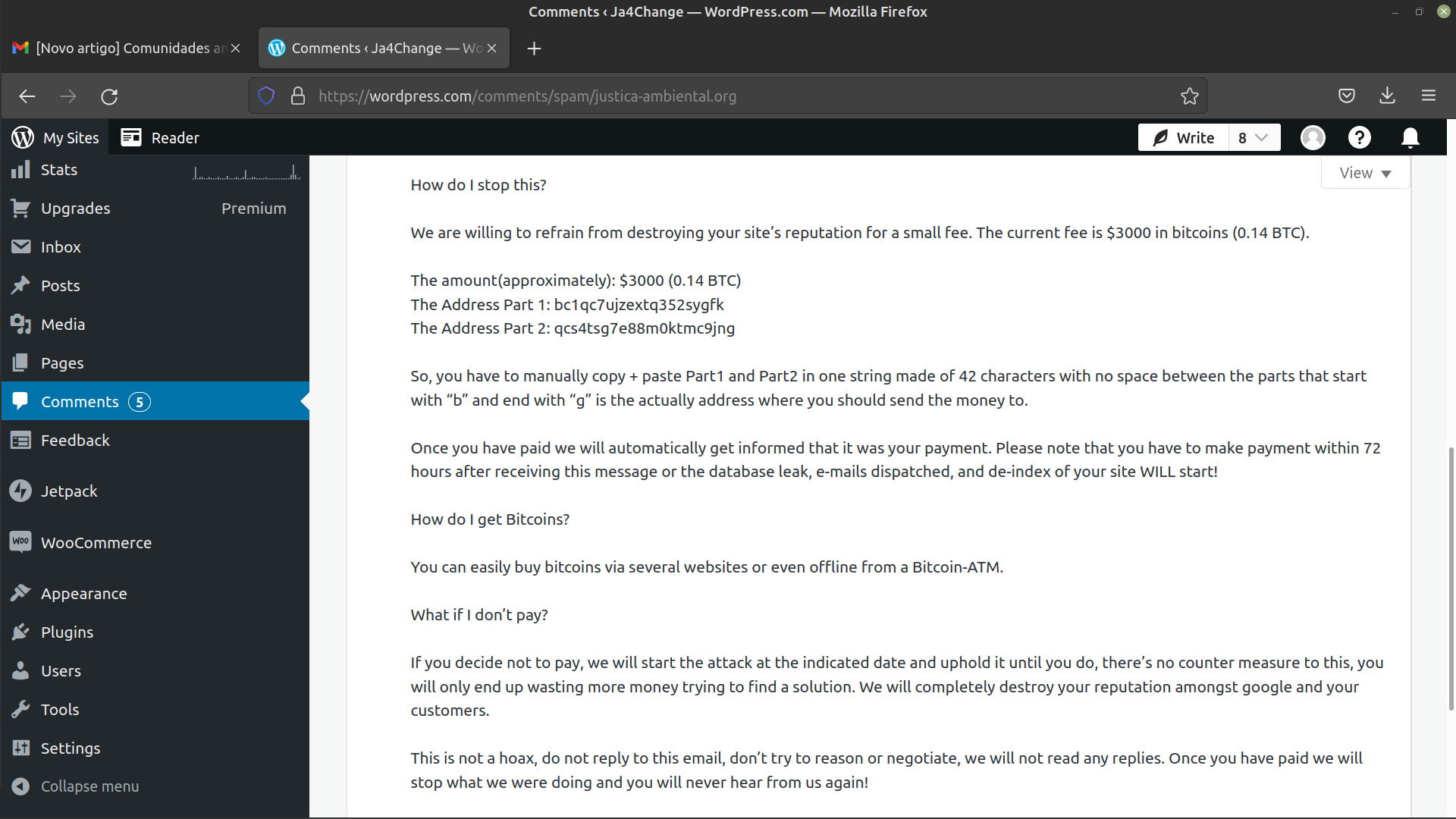
This weakness was recently exposed at JA in early January when we were hacked. Our web page was taken over and passwords changed, so we lost access to it. A ransom was demanded under the threat of deleting all the information. We first wondered if it was just a scam or bluff, but even if not, we do not entertain the option of ransom and do not reply or even attempt interacting with such threats. So we started the process of regaining access to our page. Unfortunately, while we were focused on recovering our web page, we hadn’t realize that the administrator’s laptop and JA’s main backup drive had also been hacked, only realizing this when the laptop stopped working and the backup drive deleted. This attack exceeded previous hacks or virus attacks, and exposed the effect of the smaller and regular cyber attacks in decreasing our alertness and urgency around the issue.
Luckily, we had a recent recovery drive for the laptop and we had received training on recovering deleted drives in the past. Unfortunately we didn’t manage to even get our linux based systems to identify the backup hard drive. After trying to recover the backup hard drive with other systems we gave up and had to take our backup drive to a specialist company that does data recovery at a high cost.
It took 3 weeks before we received the first batch of recovered data (almost 4TB), but the remaining data has been more complicated and we are still waiting for it, as well as the technical report from the company. However, we have been warned that the second batch of data has a lot of damaged files and is not organized in our original file system, it consists of thousands of files in dated folders that we will need to go through and reorganize.
The IT specialist also gave us some helpful information based on his findings. There was a common virus in the startup files and a concerning backdoor, similar to a well known old windows-based backdoor called “Banito”, but one that works on Linux systems. We also learnt that hackers had gained access to our accounts without needing to use passwords through the use of something called ‘session tokens’, that help you log in and out of your accounts without having to write the password. These tokens are stored on your computer cache and can be easily hacked through a redline stealer malware kit, in our case through a .scr screen saver file.
There were a few other odd/concerning threats found that were more complicated to understand, especially for us with our low IT IQ. Besides, the focus of the IT specialist was data recovery, they had not done a thorough analysis. Unfortunately, the cost to do a forensic analysis was too high and the most important part to analyse would be the hacked laptop, but by then we had already reformatted the laptop (with cycles of full hard drive rewrite and delete), and we could not hand it over for a forensic analysis due to it being in urgent use by the administrator.
Amidst such eventful weeks – with Cyclone Freddy, the flooding, the death of Mozambican rapper Azagaia and then the police violence at the march to honor him – we ended up delaying the publication of this post. Coincidentally, before we were about to post this, we found out that our Say No to Gas campaign site was also attacked by hackers, but given that the site was developed last year using more up to date software, and the developer was still doing the maintenance, he managed to block the attack.
We fear that these types of events may become more regular both from criminals and our governments, that have drastically increased investments in digital surveillance. Some countries, like Israel, have expanded their military oppression to digital surveillance and this has become a major business, with programs like Pegasus being exported to other regions such as Africa. This has contributed to African governments’ increased control and monitoring of civil society and oppression of critical voices. Digital surveillance has become central to these plans. Countries like Rwanda have shown the path forward for other African countries on how oppressive governments can control and suppress dissent, while not only getting a pat on the back from developed northern countries, but even turning their military and security sector into an economically productive sector servicing the northern countries dirty work. Digital surveillance and cyber attacks have become central to this model of oppression and human rights violations.
The Africa Climate Justice Collective is concerned about the ravaging effects of the climate crisis in Africa, especially the recent flood disasters that submerged some parts of the Southern and Central African regions of the continent.
Cyclone Freddy has wreaked havoc in Southern African countries especially Madagascar, Mozambique and Malawi since February 2023. Thousands have been displaced and hundreds have lost their lives while others are still missing. In Madagascar at least 300 000 people have been affected, 17 people have died and 3 are missing. Malawi has recorded 563771 displaced persons, 511 deaths while 533 are missing. In Zambezia province of Mozambique, 22000 people have been displaced, 10 dead and 14 injured.
In Central Africa, Buea City in southwestern Cameroon between 18 and 19 March 2023 experienced torrential rains that caused floods and landslides and resulted in casualties. The twin disasters which were both triggered by several hours of rainfall had led to the loss of lives (media reports confirmed 2 deaths) and destruction of properties. In total, nearly 300 people living at the foot of Mount Cameroon have been affected. In all these countries, houses and infrastructure have been destroyed and it will take a long time as well as require a significant stream of funds to recover. These events highlight the urgent need for effective disaster response strategies and climate change mitigation measures to protect vulnerable communities in the affected countries and beyond.
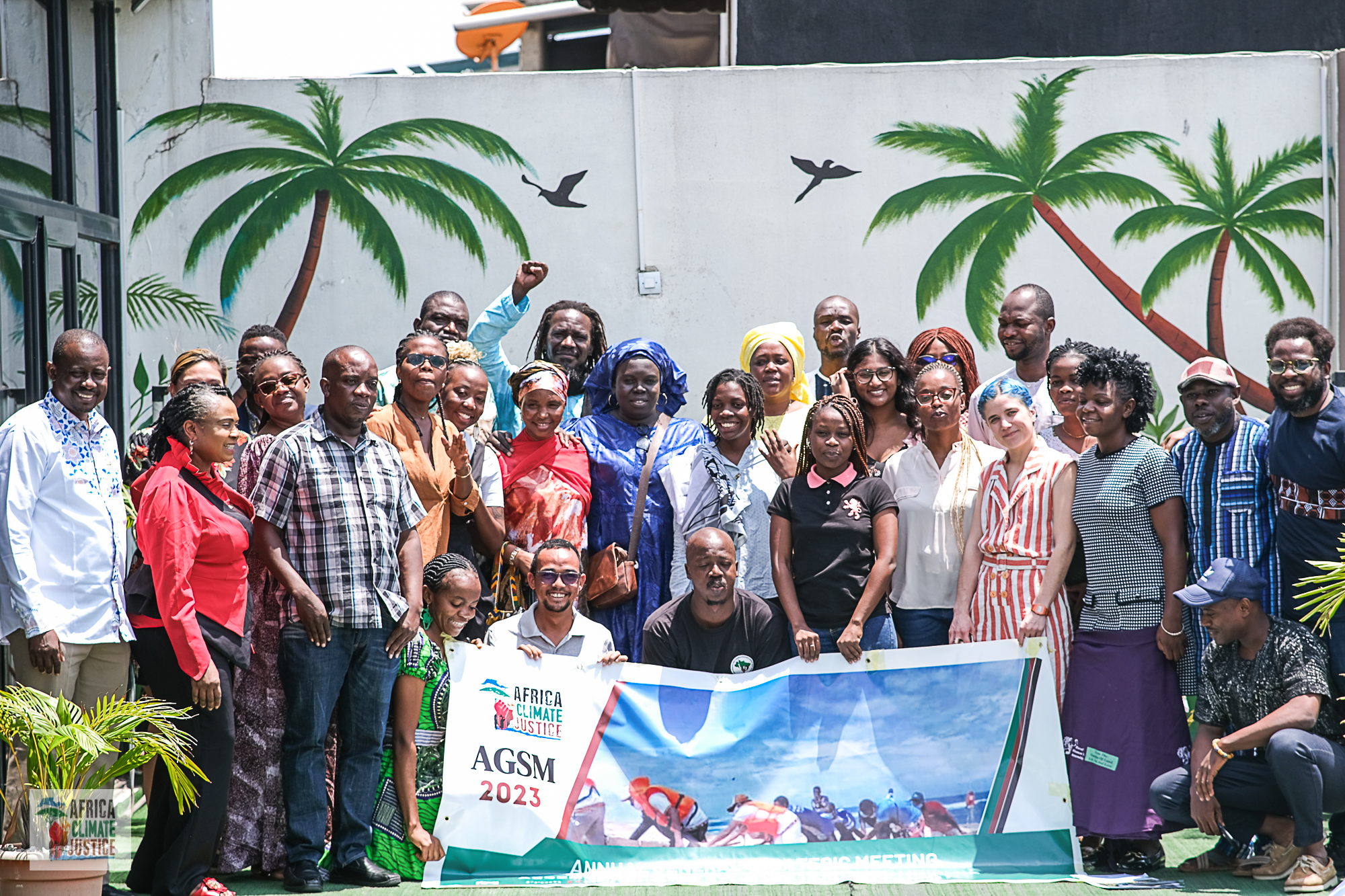
Faced by these tragic events, the African Climate Justice Collective (ACJC), which is made up of 27 movement-based and other allied civil society organizations, and individuals and partners all across Africa, is calling for concrete actions to address the ongoing Climate emergencies not only in Southern Africa but in the continent as a whole. Cyclone Freddy’s long journey began off the coast of Australia in early February 2023. After becoming an exceptionally powerful storm and crossing the Indian Ocean, Freddy first struck eastern Madagascar on February 21 and southern Mozambique a few days later.
According to Anabela Lemos, Director of Justiça Ambiental/Friends of the Earth Mozambique and a convenor of the ACJC “our people are compelled to pay the debt they never owed, they are forced to reap pain and agony from the crisis they never created while the government and multinational corporations go to the Bank with fat pockets”.
Rumbidzai Mpahlo who coordinates the ACJC stated that “As a collective, we continue to call for the activation of both climate finance and the Loss and Damage Fund without any debt- creating and repressive conditions. This is an emergency which should be treated with the urgency it deserves.
Maimoni Ubrei-Joe of Friends of the Earth Africa and Nigeria has stated that the recent IPCC report has further demonstrated the failure of world leaders to commit to addressing the global climate crisis. ““The time to act to reverse the negative impacts of climate change is now””.
This recent IPCC report has sufficiently shown how short-term climate forecasts (spans next decades) are not brilliant, and weather disasters like Cyclone Freddy, will multiply with disastrous consequences. It is therefore more than ever the moment to build a more effective and efficient disaster management that is capable of anticipating these risks and disasters, looking urgently at the case of the communities affected by Cyclone Freddy. Positive experiences of management of extreme floods and other climatic phenomena on the African continent should inspire the development and strengthening of rapid alert and response mechanisms.
The CADTM African network demands that the polluting multinationals recognize their climate debts and pay due compensations to the victims of climate change and Africa as a whole focusing on these three countries; Mozambique, Malawi, and Cameroon which are currently grappling with climate change impacts. The CADTM African network invites African leaders to restrain from refunding the debts they have contracted in repairing the climate damages.
We are hereby standing in solidarity with those affected in Malawi, Mozambique, Cameroon and Madagascar. The Global North and Governments of these nations should ensure that funds and relief materials are made available for loss and damages as agreed upon at COP 27 and these funds should be made available to those directly affected and not channeled to the nations ecological funds where they will be diverted to meet other national needs leaving out those that have been badly affected by the cyclone.
We are traversing a great moment of transition, from a system that is crumbling away, to a new one, that is not yet fully formed. At this very moment, a few and powerful blood-thirsty Africans continue to sell out our countries and our sovereignty, fomenting wars and destruction for vanity and personal gain to feed. At the same time, on the ground are showing the best of our human principles, throwing themselves into the post disaster chaos, to help victims, often reaching the areas where “no aid ever comes”, and so many others who mobilize their solidarity in their own ways to support their fellow nationals.
As much international solidarity there may be in any major disaster, African nations must muster themselves the vision, capacities, skills and resources needed to not only be prepared for disasters, but to manage its territories in harmony with Nature. The ACJC recognizes that there is great complexity in the actual implementation of this proposal, but only the Nation itself can claim its own sovereignty. African Governments MUST CHANGE COURSE. The solutions and proposals of the ACJC provide a guide for this. But there is much more to be done. Now more than ever, there is ample evidence that territories with wider biodiversity are significantly more resilient, or able to more rapidly recover from climate related shocks. Some, if not most, of the solutions are already within our grasp as a society.
Our hearts go out to all of the lost ones, and to those who are left behind in mourning, but also to all the survivors and those on the ground working to make their communities a better place for our loved ones.





 JA4change