"Only after the last tree has been cut down, Only after the last river has been poisoned, Only after the last fish has been caught, Only then will you find that money cannot be eaten." Cree Indian Prophecy
Families from the communities of Milamba 1 and 2, affected by the liquefied natural gas projects of TotalEnergies, Eni and ExxonMobil, were the first to be resettled in the town of Quitunda in 2019. At the time, this was a strategic decision, driven by the prior displacement of these families, who were fleeing the threat of attacks by insurgents. Thus, although they represented a relatively small number of affected families, they were prioritised in the resettlement process.
Between July and August 2019, the 109 families from Milamba 1 and 2 received their homes. Initially, the zone chief and other influential figures mobilised local residents not to accept the houses until replacement land for their food fields (machambas) had been allocated. However, under pressure from the company responsible for the project and the local government, the families eventually agreed to accept the houses, despite the uncertainty regarding when they would receive the land for agricultural production.
Between 2020 and 2022, families from these resettled areas were allocated land in the community of Senga, where the so-called Phase Zero of the resettlement programme was officially launched. However, this phase was never formally concluded, and to this day, there are still records of complaints regarding the non-payment of compensation for the permanent loss of land, and in most cases, the complaints lodged have not been resolved. The fact is that there is now talk of a resettlement process having been completed, without, however, the promises made to the various affected communities in the different phases set out in the Palma resettlement plan having been fulfilled. This is an extremely protracted and complex resettlement process due to the high number of people and families affected, delays in the payment of compensation and the apparent lack of coordination among the various project teams 1 . The complexity and scope of the resettlement process itself are increasing the number of people affected by the ongoing search for new areas to allocate as compensation land, affecting new communities and families every day.
Most of the resettled families who received replacement land in the community of Senga are currently facing disputes with the respective landowners of those areas. This situation arises because TotalEnergies has not yet compensated some of the local families for the permanent loss of their land. In many cases, the company claims that the land was idle; however, the communities affected by the project dispute this classification, stating that the areas were being left fallow — a common and recommended agricultural practice in both traditional and conventional farming, as it contributes to soil fertilisation. Furthermore, several plots were clearly demarcated.
As a result, shortly after the land was allocated, the families resettled in Quitunda began to receive threats, being warned that they should not farm on these plots until the rightful owners had received the compensation provided for in the agreements reached between the company and the community during the Phase Zero negotiations of the resettlement.
At one point, the situation appeared to be relatively under control, particularly in cases where some families reached informal agreements for the shared use of the land. However, in most situations, what is observed is the abandonment of the plots by the resettled families, who are frequently prevented from using them by the respective landowners. In some cases, this prohibition occurs even after the families have already sown their crops.
This is the case of the three elderly women who, after being allocated replacement land in Senga, were subsequently evicted by the former owner of the land that had been assigned to them. They no longer have the strength to argue or fight for land that was never truly theirs. The lands they knew as their own were those where they were born and raised, lands that were taken over by the project in Milamba, their community to which they can no longer return.
Today, they find themselves reduced to the insignificance imposed upon them by that very project. They remain at home, lamenting their futures.
With no land to grow the food that sustains them, all that remains is to wait for the day when old age can no longer bear the weight of their lamentations or the regret of not having resisted a little longer. Today, they lament having lost the land they always knew as their own in exchange for a promise that was never kept — a land from which they were driven out, without even having had the chance to protest or demand justice.
1 In Quitunda, some resettled families received coconut seedlings in 2024, although they are still waiting for the allocation of their respective compensation land. In practice, the seedlings were distributed without the families having land where they can plant them.
Press release by Justiça Ambiental, ReCommon, Friends of the Earth France, BankTrack, urgewal
01 April 2026 – Campaign members of the “Say No to Gas! In Mozambique” coalition share the serious concerns expressed by UN-appointed human rights experts regarding the African Development Bank’s (AfDB) $150 million loan to support the Coral North Floating Liquefied Natural Gas (FLNG) project [1]. They demand that all financial institutions respond to the call of these experts, by committing to not support the gas expansion in northern Mozambique and suspend financing for new fossil fuel projects.
The project, led by Italian company Eni, consists of a floating platform designed for gas extraction and liquefaction off the coast of Cabo Delgado, Mozambique’s northernmost province. It is effectively a replica of Eni’s Coral South FLNG, which has been operational and exporting liquefied gas since November 2022. For the past eight years, the region has been the scene of violent conflict between the Mozambican army and insurgent groups.
In the UN statement, the human rights experts state that the Coral North project “risks exacerbating human rights violations, contributing to climate change and diverting already scarce public funds away from urgent investments in renewable energy”. They also warned that it could compound existing tensions and human rights challenges caused by the gas sector in Cabo Delgado province.
Three other gas extraction and processing projects in northern Mozambique are on the radar – TotalEnergies’ Mozambique LNG, Rovuma LNG led by ExxonMobil and Eni, and Coral South FLNG led by Eni. According to the human rights experts: “Previous LNG projects in Cabo Delgado have suffered from inadequate consultation, which has undermined local participation in key project decisions and resulted in loss of livelihoods and long-term socioeconomic disruption for communities who depend heavily on fishing, agriculture and natural resources. Despite promises of employment creation, high illiteracy rates and limited access to education mean that local communities have reportedly benefited little from job opportunities generated to date”. They highlight that this has occurred in a region where armed conflict and climate change have already caused large-scale displacement.
Previously, experts have warned that the Coral North FLNG project could have a significant climate impact, with excessive greenhouse gas emissions, an issue that was highlighted as early as March 2025. ReCommon’s investigation ‘Hidden Flames’, examined the climate impacts of the Coral South FLNG plant, with a particular focus on gas flaringand associated emissions – both of which were underestimated by Eni [3].
In correspondence with the AfDB, members of the StopMozGas coalition were assured that the Coral North FLNG project has “integrated strong environmental and climate measures, including flaring minimisation and emissions management, positioning Coral North among the cleaner LNG projects.” However, flaring is not an uncommon concern at LNG plants, with a recent investigation by Data Desk showing that LNG terminals tend to flare for significantly longer than the industry claims once they start producing, and that flaring remains persistent for decades at many facilities [4].
The UN human rights experts state: “We are deeply concerned that a leading multilateral development bank would finance a project of this nature at a time when the harmful environmental and climate consequences of fossil fuel expansion are well understood…. Financial institutions and businesses have a responsibility, under the UN Guiding Principles on Business and Human Rights, to identify, prevent, mitigate, and remedy human rights impacts linked to their activities and business relationships.”
Their warning explicitly refers to Coral North FLNG and is addressed to the AfDB, but the audience it addresses between the lines is much broader. TotalEnergies is involved in two criminal proceedings in France: the first for involuntary manslaughter and failure to assist persons in danger [5], the second for complicity in war crimes, torture and enforced disappearance [6]. The site on which the French multinational’s Mozambique LNG project is due to be built is shared with ExxonMobil and Eni’s Rovuma LNG. These factors – relating to Coral North FLNG and other fossil fuel projects in the area – must not be overlooked by the international financial backers of the infrastructure, both confirmed and potential.
According to the UN statement, the African Development Bank’s decision appears to be at odds with its 2021–2030 Strategy on Climate Change and Green Growth, with the advisory opinion of the International Court of Justice on climate change, and with the imperative, enshrined in international human rights law, to decarbonise economies over the course of this decade. The experts are urging the bank to suspend all financing for fossil fuel projects.
“The costs of the gas to Mozambique are mounting, the promised revenues are sinking further, and local people and businesses are cut off from opportunities, in the process of exploiting fossil reserves that will contribute little to Mozambique’s energy security. The African Development Bank – along with all financial institutions that remain involved – must reconsider its involvement in both Coral North FLNG and Mozambique LNG,” says Anabela Lemos, Director at Justiça Ambiental, Maputo.
“The statement from UN human rights experts is crystal clear: it acknowledges that the majors that have taken control over Mozambique’s gas reserves are responsible for a disastrous track record of human rights violations. This reality is starkly documented with regard to Total’s activities in Cabo Delgado and its Mozambique LNG project. Once these facts are established, the course of action is equally clear to these experts: financial institutions are subject to obligations, and must refuse to support fossil fuel projects in Mozambique and around the world. This obviously applies to the French banks Crédit Agricole and Société Générale, which stubbornly continue to finance Total in a gas project that has already claimed far too many victims,” says Lorette Philippot, Private Finance Campaigner at Friends of the Earth France.
“Even UN human rights experts have come out against new gas projects in Mozambique, citing a long list of human rights issues. TotalEnergies’ Mozambique LNG project is a prime example of the challenges such endeavors face. Siemens Energy should heed the UN experts’ advice and call off its plans to supply gas turbines for this disastrous project,” says Sonja Meister, Energy Campaigner at Urgewald.
“Gas expansion in Mozambique is violating human rights, destroying pristine nature and contributing to climate chaos in one of the countries most vulnerable to climate catastrophes, as the recent and still ongoing massive floods show – with hundreds of thousands of affected individuals and widespread displacements. Commercial banks, like Standard Chartered, Rand Merchant Bank, Nedbank and Absa Banks, have a duty to stop finance to all of Mozambique’s gas expansion, or face the increased risks of committing finance to ever more well-documented harmful business practices,” says Diogo Silva, Banks and Climate campaign lead at BankTrack.
“SACE and Cassa Depositi Prestiti have decided to confirm their financial support for Mozambique LNG despite the serious human rights violations associated with the project. UBI Banca, now controlled by Intesa Sanpaolo, financed Coral South FLNG. All these financial institutions are vying to support both Coral North FLNG and Rovuma LNG with public and private capital. We call on them to heed the warning from UN experts and not to provide financial support for these projects. Projects which, in the domestic context, would exacerbate Italy’s dependence on fossil fuels – a short-sighted choice given the energy and economic repercussions resulting from the recent closure of the Strait of Hormuz,” says Simone Ogno, campaigner at ReCommon.
Southern Mozambique and parts of Zimbabwe and South Africa have been – and some areas still are – once again under water. Being a downstream country, Mozambique is one of the most climate vulnerable countries in the world. The reality of this is lived by our people almost annually now. Over 150 people are dead and 400,000 people have been displaced, with a total of almost 1 million affected people, due to the severe floods in January 2026. In 2000, the country suffered other terrible floods, and the iconic image of those floods was a baby being born on a tree before being rescued. The country and the world followed her story. Despite all the media attention and support, Rosita Pedro died last month at the age of 25 from treatable illnesses. It is impossible not to think of so many other people who continue to die across the country as a result of a state with misplaced priorities.
During this year’s floods, history repeated itself, with a few more “miracle babies”. A girl was born on 19 January on a school desk in the village of 3 de Fevereiro, in the district of Manhiça, Maputo province. Her mother, Erica Raimundo Mimbir, named her Rosita, certainly hoping she outlives the ill-fated miracle baby of 2000.
The severity of these floods were known for many months, probably since September 2025. Heavy rains were expected. Dams in the region had been on high alert, and as usual, ended up contributing to exacerbating the disaster instead of mitigating it. Our government was negligent: emergency response teams were not on site, and people already living in areas of poverty and high risk did not receive the resources they needed to survive the floods. Where were the evacuation plans, the preparation of public and private spaces to house the displaced, the practical information about where is safe to go when the water begins to flood our homes?
‘We all live downstream’ is a core part of environmental justice ethics, highlighting the principles of environmental responsibility and ecological stewardship, our interconnectedness as peoples and ecology. Our ubuntu.
It is the recognition that what some do affects everyone, and for generations to come. At JA!, we are focused on building people power across the country, the continent and the world to dismantle the different systems that oppress us – such as capitalism, racism and patriarchy. We did not create JA! with the intention of being a humanitarian aid association. Yet the crisis escalates daily, impacting our neighbors, our families, our own homes. After visiting a few sites across Maputo city hosting floods survivors, we decided to focus our initial support on Escola Mariazinha, in Hulene neighbourhood. We have already taken supplies and our giant pots and pans multiple times now, running a solidarity kitchen and cooking and eating with more than 100 adults and children each time. Many are still sheltering at the school weeks later, with their homes still submerged.
We know that this emergency is not the end of this struggle, and so even as we contribute to meeting basic needs, we are assessing the next steps with the community – discussing what can be done to change conditions on the ground. An intervention with the Municipal Council to demand that they pump out the water that has accumulated there, denounce the corruption that exists in the emergency relief teams, and organise community clean-ups in the streets are among the ideas that have emerged from the affected people themselves. Meanwhile, comrades and partners from around the world are ready to mobilise and support their Mozambican brothers and sisters, but receiving this solidarity also means navigating bureaucracies that were designed to divide us: barriers to obtaining visas, accommodation costs, non-existent state infrastructure to coordinate international support. Our government
has become so addicted to cycles of international debt with neoliberal predators that it has forgotten the importance of true internationalist solidarity in times of crisis – something that was so crucial in our liberation struggle against the Portuguese colonial regime. Our government also seems to forget that, although Mozambique is on the front line of the impacts of climate catastrophe, we have contributed almost nothing to global greenhouse gas emissions, the main cause of climate change. We do not have to beg in international forums, we do not need charity – we are entitled to payment of a climate debt by the countries that have polluted the most.
The multiple interrelated crises will only continue to worsen. But we are not just victims: we are agents of change. Organised and united communities are capable of taking action to improve their lives today and in the long term. And because we believe this, we prioritise building and strengthening movements at the local level, but also internationally. JA! is part of, among other networks and alliances, the creation of the international movement of communities affected by dams and the climate crisis, launched in Belém in November 2025, which brings together people and collectives from all continents, united in the struggle for our rights and for a systemic change.
If we know that the waters will rise, we must work together to learn to swim, build boats, build communities, and demand change. As the waters rise, we must also rise. Our collective survival depends on it.
Total Energies faces criminal complaint for complicity in war crimes, torture and enforced disappearance in Mozambique
18 November 2025. Berlin, Paris, Maputo – Today, the European Center for Constitutional and Human Rights (ECCHR) filed a criminal complaint in France against Total Energies1 for complicity in war crimes, torture and enforced disappearance. The oil and gas major is accused of having directly financed and materially supported the Joint Task Force, composed of Mozambican armed forces, which between July and September 2021, allegedly detained, tortured and killed dozens of civilians on TotalEnergies’ gas site. The complaint has been filed with the French National Anti Terrorism Prosecutor (PNAT), which also has a mandate to investigate international crimes.
This filing comes as TotalEnergies just announced the lifting of the force majeure declared in April 2021 on its liquified natural gas project, Mozambique LNG, despite a persistent conflict, intensifying deadly attacks and a major humanitarian crisis. The final restart of the project however still depends on the Mozambican government agreeing to TotalEnergies’ revised budget and to cover for the $4.5 billion extra cost of the project.
The complaint centers on the so-called “container massacre” at the company’s facility. These allegations were first reported by the newspaper Politico in September 2024, followed by Source Material and Le Monde. Following an insurgent attack on Palma town by the armed group Al-Shabab in March and April 20212 , the Mozambican army – including members of the Joint Task Force supported by TotalEnergies – allegedly arbitrarily detained dozens of civilians in metal containers situated at the facility entrance between July and September 2021. The civilians were fleeing their home villages as a result of attacks by Al-Shabab when they were intercepted by the army. According to reported allegations, detainees were tortured, subjected to enforced disappearance and some of them executed. In September 2021, the final 26 detainees were released.
The Joint Task Force was established through a 2020 memorandum between TotalEnergies’ Mozambique subsidiary and the Mozambican government as a dedicated security unit to protect the Mozambique LNG project operations.
TotalEnergies knew of human rights violations committed by armed forces before massacre
“TotalEnergies knew that the Mozambican armed forces had been accused of systematic human rights violations, yet continued to support them with the only objective to secure its own facility” says Clara Gonzales from ECCHR. “The involvement of TotalEnergies with local armed forces and the gravity of allegations ought to lead to the opening of an investigation by French judicial authorities. Companies and their executives are not neutral actors when they operate in conflict zones: if they enable or fuel crimes, they might be complicit and should be held accountable”
Internal TotalEnergies documents, including from its security contractor, detail acts of violence against civilians committed by Mozambican armed forces from May 2020, revealing that the company was aware of serious human rights violations carried out by the Joint Task Force in close proximity to its facility before the container massacre.
Those documents were obtained through freedom of information requests addressed to public financiers of the project3.
Some have been reported on by Le Monde and SourceMaterial, but the complaint analyzes new documents sent by the Dutch government, in which TotalEnergies details its security system, as well as the human rights risks associated with the employment of the Joint Task Force.
Despite this knowledge, TotalEnergies continued to directly support the Joint Task Force by providing accommodation, food, equipment, and soldier bonuses – while stipulating that bonuses would be withdrawn if soldiers committed human rights violations.
Media investigation sparks official probes
The Politico article prompted investigations by Mozambican authorities, as well as by two public financiers of the project, the UK Export Finance agency and the Dutch government – via Atradius. However, no European judicial investigation has yet been opened.
Lorette Philippot from Friends of the Earth France says: “The seriousness of the allegations against Total, laid out in this criminal complaint, must set a red line for the financial backers of Mozambique LNG. More than 30 public and private banks have decided to place their trust in TotalEnergies in 2020 by signing loans, but they did not sign blank cheques. TotalEnergies continues to demonstrate that it has learned nothing from the past: it just announced the lifting of the force majeure on its gas project, despite the dramatic security and humanitarian situation. The UK and Dutch governments, like the French banks Société Générale and Crédit Agricole, must now refuse to renew their financial support and withdraw from Mozambique LNG. ”
Daniel Ribeiro from Justiça Ambiental says: “The local communities have experienced repeated violations of their human rights, yet to date have received no justice. The perpetrators of these crimes have not faced any consequences. This case is an important step toward justice, where the business interests of a company like TotalEnergies do not override the rights and lives of local people” .
Second complaint against TotalEnergies regarding its Mozambique LNG project
This case follows another criminal complaint filed in 2023 by survivors and relatives of victims of the March and April 2021 Palma attack, in which Total Energies is separately accused of failing to ensure the safety of its subcontractors who were targeted, and for some of them killed. In March 2025, the Prosecutor in Nanterre opened a preliminary investigation against TotalEnergies on charges of manslaughter and failure to assist persons in danger.
Companies can be held criminally liable: in France, the Lafarge case has led to the indictment of the company and executives for complicity in crimes against humanity committed by ISIS in Syria, and an on-going trial for terrorism financing in front of Paris court. In Sweden, a trial is also taking place against two former executives at the Swedish oil company Lundin for complicity in war crimes committed by Sudan’s regime – now South Sudan. Beyond its association with numerous accusations of human rights violations, the project could contribute to emit up to 4.5 billion tons of CO₂ equivalent over its lifetime, making it one of the carbon bombs threatening the Paris Agreement’s goals.
Notes to editors
Friends of the Earth Mozambique (Justiça Ambiental), Friends of the Earth France and Friends of the Earth Europe, who have been engaged for years in a campaign against human rights violations associated with the TotalEnergies Mozambique LNG project, are supporting the legal action.
This case builds on ECCHR’s ongoing casework on corporate accountability in conflict. More information on the ECCHR’s case against Lafarge in Syria for complicity in crimes against humanity can be found here.
1 And against “X”: unknown persons that are not identified in the complaint but could be during the criminal investigation,such as executives of the company.
2 Al-Shabab is a non-state armed group, active since 2017 in the northern region of Mozambique, Cabo Delgado. It is officially affiliated to the Islamic state since May 2022, and also designated as “Islamic State Mozambique (ISM)
3 The Cassa Depositi e Prestiti, Italy’s public development bank, and ATRADIUS, Netherlands’ public development bank.
Understanding Mozambique’s post-electoral uprise through Orlando’s story
A Story of Resistance
We met with Orlando in Maputo. He was in town to undergo medical exams — the result of the police violence he was subjected to during his arrests in the aftermath of last year’s presidential elections in Mozambique and of the ensuing almost seven months of jail time he spent in one of the country’s most infamous prisons.
A quiet and very timid man, Orlando is nonetheless very well spoken, and in spite of his current noticeable physical frailty, his moral fiber and convictions remain as strong as ever. Orlando is not a criminal. He is one of thousands of Mozambicans who were arrested in the months following the October 2024 presidential elections — not because they were simply rightfully protesting or happened to be in the wrong place at the wrong time like so many others — but because they were deliberately targeted.
The regime, feeling extremely threatened by the more than justifiable wrath of its people after yet another shamelessly and undeniably rigged election, called on its security forces to suppress all known threats and dissident voices in an attempt to quiet things down. A member of the Mudada community in southern Mozambique, which alongside Mudissa community, were stripped of their lands to make way for Moçambique Dugongo Cimentos Co., SA, a cement factory with crystal-clear ties to the party in power, Orlando had long been outspoken about the company’s unfulfilled promises and wrongdoings — jobs for community members that never materialized as outsiders were hired instead, a hospital and a school that were promised but never built, and a poorly planned and built resettlement village that floods every time there are heavy rains, constructed only long after it was promised and after much popular pressure. Many of the displaced families are still waiting for their promised resettlement homes and compensations today, over fifteen years after being displaced…
More than a pattern, this is Africa’s most infamous tale. Used countless times to con communities in Mozambique and across the continent in the name of “development”, presenting foreign investments as transformative for local people while ultimately serving outsiders and elite interests — a story with devastating consequences for people and the planet.
In spite of not being a community leader, Orlando’s outspokenness earned him the respect of his peers but also the reputation — amid the local government and the government-captured community power structures — of being a troublemaker and agitator. This reputation earned him two brutal arrests.
The first 1 , on February 6 th 2025, at the hands of UIR — Mozambique’s riot police. Him and two other men from his community were detained for three days after protesting the disappearance of a local resident — Leonardo — who he claims was taken by the army and whose whereabouts the authorities refused to explain or acknowledge. (Later on, during his seven month imprisonment, Orlando would find Leonardo in jail — alive, but detained and facing the same kind of charges.) After being arrested, Orlando was transported lying down in the back of a police pick-up truck, blindfolded, under the feet of the policemen sitting above him, who kept kicking him and hitting him with their rifles. He was brutally beaten and tortured, and released after 3 days.
The second arrest 2 came just 10 days after this ordeal. This time on a sunday night, Mozambique’s criminal investigation police (SERNIC) entered his home uninvited and without a warrant, beat him up in front of his family, forced him into a car where he was brutally assaulted on their way to Maputo and presented with a document containing a list of people he was asked if he knew — a detail that clearly exposes the persecutory nature of these arrests.
When asked whether his imprisonment had instilled fear into his community, he was blatantly honest: “Certainly. Even the community leader is now afraid to speak up.”
What happened to Orlando is not an isolated case. It mirrors the political climate that has been increasingly defining Mozambique for decades now — a climate of fear, repression, and deep institutional decay.
From Revolution to Repression
Mozambique’s current political crisis is rooted in a long and turbulent past. The country’s troubles began with over four centuries of Portuguese rule, which deeply entrenched a system built for colonial exploitation and domination.
In 1962, inspired by Marxist ideals, FRELIMO was founded with a clear mission: fight for liberation and dismantle the imperialist system of oppression imposed by the Portuguese. Independence came in 1975, following the downfall of Portugal’s fascist regime and over a decade of armed struggle. Samora Machel, FRELIMO’s charismatic leader, became the country’s first president. Under his rule, the government nationalized land and key industries and launched mass literacy and health campaigns, aligning itself with global socialist movements.
Though idealistic and widely supported, the new state faced serious challenges from the start:
Economic isolation – as Western powers pulled away because of its Marxist-Leninist stance, and the Eastern bloc’s support wasn’t enough to prevent the hardship.
Sabotage by neighboring white-minority regimes – who saw Mozambique’s socialist revolution as a threat to their own racial and colonial order.
State authoritarianism – despite its emancipatory rhetoric, Frelimo justified brutal missteps as resistance against a genuine imperialist threat, framing any critique as counter-revolutionary and being ruthless toward dissent.
Slowly but surely, the revolution’s egalitarian ideals began to erode under the strain of internal contradictions and external sabotage.
In 1977, a brutal civil war broke out between Frelimo and Renamo, a rebel movement sponsored by the South African apartheid regime. It would last for 16 years. Between combat and starvation, over 1 million people died.
The untimely death of Machel in 1986 marked a significant turning point, leading to a change in FRELIMO’s political direction. By the 1990s, FRELIMO had shed its Marxist ideals, embracing neoliberalism and consolidating power through elite political and military networks – that make the country virtually coup-proof – along with systemic corruption.
The IMF promoted the emergence of state oligarchs, who used their political status to gain economic power. In exchange, the new oligarchs ensured that foreign companies and countries benefitted from the gas, coal, rubies and hydroelectricity 3 .
The revolutionaries became oligarchs, and the oligarchs became the local administrators for a new form of colonialism. The dream of liberation gave way to a reality of systemic inequality, Hanlon, Joseph. 2025. Moçambique recolonizado através da corrupção.
state capture, and political decay. The very system FRELIMO once vowed to dismantle had won – and it prevails to this day, ironically with FRELIMO’s own elite now sitting at its helm. Over the past 30 years, corruption, inequality, and sheer marginalization deepened, but with the advent of social media and mobile devices, it became harder to withhold information and control the narrative. Public disillusionment grew exponentially, and as FRELIMO felt its grip slipping, repression grew too, space for democracy shrank, and elections became a sham. Once hailed as heroes of the liberation struggle, FRELIMO became estranged from the very people it had fought to liberate.
The death of prominent hip hop artist Azagaia in March 2023 – a fierce and fearless critic of the regime – ignited the dormant fire of Mozambique’s own “Arab Spring,” awakening a generation hungry for justice, dignity, and economic emancipation. Just like in 2008 when he wrote “Povo no Poder” amidst another wave of protests, his music became the soundtrack to the protests that followed the rigged municipal elections later in 2023, and again during the general elections in October 2024.
Last Year’s General Elections
On October 9th, 2024, Mozambique held its seventh general election since the introduction of multiparty democracy in 1994. The ever-ruling FRELIMO party’s candidate, Daniel Chapo, was declared the winner with over 70% of the vote.
His main challenger, Venâncio Mondlane – a populist preacher with conservative-leaning political views and ties, who over the past few years built a strong following by cleverly using social media to engage and mobilize his supporters – contested the results, claiming to have won. Allegations of widespread electoral fraud – corroborated by independent observers – pointed to ballot stuffing, voter intimidation, and manipulated results. Mozambique’s electoral bodies turned a blind eye to these allegations. The Constitutional Council, seen as politically captured, upheld the official results, dismissing allegations of fraud. This rubber-stamp decision further eroded public trust and fueled continued protests.
These fraud allegations sparked protests across the country, both spontaneous and coordinated by Mondlane and his team. The government responded with denial, downplaying, and heavy- handed repression, including live ammunition, arbitrary arrests, and beatings. On October 19 th , two key opposition members – Elvino Dias, Mondlane’s lawyer, and Paulo Guambe, a senior official in his campaign – were killed in a targeted attack in Maputo, shocking civil society and intensifying unrest. Mondlane left the country citing serious threats and called for 25 days of protest – one for each bullet fired at his colleagues.
From then until the end of January 2025, Amnesty International reports over 300 dead, more than 3,000 injured, and over 3,500 arbitrarily detained. Many remain incarcerated until this day. These protests were led primarily by young people, unimpressed and disconnected from FRELIMO’s absence of leadership and vision, deprived and dispossessed by a government that insists on prioritizing the interests of a few over the future of all. However, very soon it became evident that the uprise was less of a generational mood and more of a structural socio-economic crisis, gathering people from all tiers of society, reflecting a shared discontent that transcended age, class, and background. This was further attested by the geography of the protests: clearly concentrated around the main urban centers; extractive industries; and transport corridors. Popular discontent was clearly a reflection of the neoliberal extractives-led and export oriented paradygm of development in the country. 4
In early January 2025, Mondlane returned to Maputo, declaring himself “the people’s president” outside the airport terminal in a symbolic performance aimed at his supporters. Six days later, Chapo’s heavily secured inauguration took place at Independence Square with no opposition presence and hardly no supporters, signaling a display of power rather than legitimacy. Money talks
But this political crisis is not just about power – it’s also, and perhaps above all, about money. At the heart of Mozambique’s turmoil lies a ruthless competition for control over the country’s vast natural resources. FRELIMO’s grip on the state is not ideological or institutional; it is economic. Political dominance provides access to lucrative contracts, influence over megaprojects, and control over flows of foreign investment and development aid. In this context, elections are not a mechanism for democratic choice – they are high-stakes contests to secure the keys to exploitation. Global capital and their proxies (including foreign aid agencies, embassies, and above all, transnational corporations) know well which hands to shake – and, as expected, they also played a key role in legitimizing FRELIMO despite the electoral scandal, and therefore securing the continuation of their economic interests in the country.
This scenario directly shapes the country’s development path. Rather than fostering inclusive growth or building resilient, people-centered systems, successive governments have doubled down on a model of extractivism that prioritizes short-term profits and foreign interests over long-term national well-being. This corporate capture of the Mozambican state has systematically eroded public institutions, transformed policy-making into a vehicle for private profit, and subordinated national sovereignty to the demands of transnational capital. And nowhere is this clearer than in Cabo Delgado, where offshore gas fields 5 – led by companies like TotalEnergies, ENI and ExxonMobil and backed by national and foreign militaries – have turned the region into a militarized enclave, displacing communities, fueling conflict, while further enriching the elite.
The same logic applies to other megaprojects like the planned Mphanda Nkuwa project 6 – an environmentally devastating and socially unjust hydropower dam that threatens to deepen the country’s dependence on centralized, export-oriented energy systems. And then there are the heavy sands, the rubies, the eucalyptus plantations, and so many other extractive ventures that line the pockets of a few while leaving the majority of Mozambicans poorer, more vulnerable, and increasingly dispossessed.
This is the real cost of a political regime held hostage by the tentacles of organized transnational capital: a development model that is neither sustainable nor just – one that locks the country into cycles of debt, dependency, ecological destruction and social unrest. So long as political power remains the gatekeeper to economic privilege, and development is reduced to a spreadsheet of megaprojects, Mozambique will continue to stumble forward, rich in resources but bankrupt in justice. And every chapter of our past has taught us the same lesson: without justice, there will be no peace.
Justice and Accountability
The road ahead for Mozambique must go beyond the cosmetic gestures of reform that have so often been used to cleanse the regime’s image in the eyes of the international community. What
the country needs is not another “dialogue” process orchestrated by those in power, while we continue to witness selective prosecutions designed to ‘calm things down’. True justice must be people-centered — rooted in the lived experiences of survivors like Orlando, those who have borne the weight of repression, poverty, and neglect, the families of those killed, and the thousands who remain missing or unjustly imprisoned. It must be built on truth-telling, restitution, and the dismantling of the structures that enable state violence and impunity. And to be meaningful, it must come hand in hand with accountability – at all levels.
The process must recognize the depth of the wounds inflicted upon society and the systemic nature of this violence, stemming from the necropolitics that sustain our neoliberal economic policy. Only through genuine accountability, radical systemic transformation and the dismantling of the neocolonial order can Mozambique begin to rebuild trust between citizens and the state. Only through a structural overhaul of our development paradigm – one that rejects violent dispossession and respects peoples’ right to self-determination, heals and restores our sacred relationship with earth, and ensures a conscious use of our resources for the common good of current and future generations – will we be able to rebuild a united nation and move forward together.
As long as this remains a mirage and the new looks very similar to the old, as long as Cardosos, Siba Sibas, Mataveles, Elvinos continue to be brutally murdered in front of our eyes as a constant and pungent reminder of our lawlessness, as long as Orlandos are tortured and jailed for protesting against the grabbing of their land or the stolen votes, the possibility of revolt will continue to be one centimeter below the surface.
27 October 2025 — TotalEnergies’ decision to lift force majeure for its Mozambique LNG project despite increasingly dangerous security conditions ignores warnings that the security arrangements for the project jeopardises the safety of communities. It demonstrates deep disrespect for the unresolved community grievances and human rights, environmental and climate risks associated with Mozambique LNG. It could strain Mozambique’s economy even further by hitting the country with a heavy bill for delays to the project. Civil society organisations are — again — urging that financial institutions and companies involved with the project withdraw their support. After a four-year suspension marred by severe human rights violations scandals, TotalEnergies informed the President of Mozambique in a letter on Friday of its decision to lift force majeure on its USD 20 billion Mozambique LNG project. However, according to this letter, signed by TotalEnergies’ CEO Patrick Pouyanné and seen by our organizations, the restart is still conditional on Mozambique’s agreement on the terms and conditions set by the French company.
The letter shows that TotalEnergies’ new development plan, updated budget and schedule for the project still need to be approved by the Mozambican government. Patrick Pouyanné states that “This revised budget’s approval shall cover the incremental costs incurred by the project due to Force Majeure, which amount to 4.5 billion dollars”. However, Mozambique is still to present its own estimate. TotalEnergies is also requesting a ten-year extension of the development and production period of the project. This negotiation is happening in the context of already very unfavorable conditions for Mozambique, as TotalEnergies initially negotiated unfair contracts [1] and benefits from exploitative investor protection clauses in international agreements [2]. Daniel Ribeiro, Justiça Ambiental: “TotalEnergies is attempting a new tour de force to obtain ultra-favourable restart conditions. But the enormous favours requested by the company should also be seen as the severe failure of TotalEnergies: its investment plan is a disaster, and it needs Mozambique to keep its gas project afloat. One of the world’s richest companies is holding one of the poorest countries hostage. The Mozambican government has been pressured to provide public security forces to protect the TotalEnergies project — and now is being required to pay the costs of the delays. This would weaken Mozambique’s economy, worsen living conditions for Mozambicans, and further fuel the insurgency.” A violent regional insurgency, ongoing since October 2017 and driven by social discontent and worsened socio-economic conditions, has been triggered by the discovery of the gas reserves and the development of extractive industries that local people do not believe they will benefit from. Militarisation of the region has continuously failed to stop the insurgency [3].
Since July, insurgent activity has been increasing across the province, including in Palma town which neighbours the gas project and the nearby port town of Mocimboa da Praia. The new security arrangements for the gas project concentrate troops at the Afungi gas site, turning the project into an isolated “fortress” [4]. There are well-founded fears that this will increase the vulnerability of local people to insurgent attacks. Mozambique LNG was suspended in April 2021 because of a major attack on Palma town. During the attack, at least 1,200 people were killed [5], yet the gas project remained safe under military protection. TotalEnergies is accused of failing to ensure the safety of its subcontractors during the attack, and is currently under judicial investigation in France for involuntary manslaughter [6]. The company’s responsibility is also called into question in the so-called “container massacre” reported by Politico [7]. Lorette Philippot, Friends of the Earth France: “TotalEnergies paid soldiers that, during three months in 2021, allegedly detained and tortured dozens of civilians on its gas site [8]. Only 26 out of at least 150 people are reported to have survived. But while victims are still calling for justice, Patrick Pouyanné simply denied their voices and suffering [9]. Not only must these allegations of serious crimes not go unpunished for those potentially responsible, but TotalEnergies must be prevented from applying its recipe for chaos once again : putting its profits before communities safety, as it has been doing since 2019 in Mozambique.” According to TotalEnergies, the lifting of the force majeure required approval by each of the 31 financial institutions which participated in the USD 14.9 billion financing to Mozambique LNG in July 2020. [10] Rieke Butijn, BankTrack: “Our coalition has provided financial institutions with extensive reports, expert accounts and community testimonies showing that the project endangers workers and communities and offers very little benefit to Mozambique. With the lifting of the force majeure, now is the time for these institutions to show that they understand the gravity of the situation and to make the only responsible financial decision: withdraw their support for the Mozambique LNG project.” Among the financial institutions involved, the UK Export Finance agency and the Dutch government both opened investigations in 2025 into the reported “container massacre” – with no results made public yet. Isabelle Geuskens, Milieudefensie: “It is shocking to see TotalEnergies push the Mozambican government and lift force majeure at a time when the security situation in the region of the gas area is horrific. Locals are fleeing their communities again, people are being killed and some of the aid organisations had to retreat because of the escalating violence. The total disregard for what is happening to Mozambican citizens is appalling. The Dutch government — which is currently re-assessing its ECA support — should act responsibly as a public financier, and discontinue its support for this gas project. No Dutch taxpayer money should back up this rich French company´s dirty project, which is gambling with the rights and well-being of the people of Cabo Delgado, one of the poorest regions in the world!” Simone Ogno, ReCommon: “Oil and gas companies and financial institutions want to press ahead at all costs with the exploitation of Mozambique’s natural resources, regardless of the
consequences: human rights violations that could potentially amount to war crimes, forced displacement of people and a burden on Mozambique’s public finances. Added to this are the potential impacts on the marine environment and climate from offshore projects.This applies to the Mozambique LNG project as well as to Rovuma LNG (ExxonMobil and ENI) — which share land use rights and infrastructure with the Mozambique LNG project — and Coral North FLNG (ENI). A gamble at the expense of the Mozambican people. If the human rights violations reported to have occurred in 2021 are confirmed, the consequences will also fall on the project’s financial sponsors, primarily export credit agencies, including SACE.” Sonja Meister, urgewald: “Siemens Energy holds a key to the start of the Mozambique LNG project- a non-delivery of its gas turbines and other essential equipment would represent a main bottleneck further delaying the project from restarting. Deutsche Bank has already helped TotalEnergies on several occasions to raise new funds that could also be used to finance the project. German companies and banks should immediately withdraw their support for Mozambique LNG and TotalEnergies if they do not want to be complicit in this disastrous project.” Contacts : ● Daniel Ribeiro, Justiça Ambiental / daniel.ja.mz@gmail.com ● Lorette Philippot, Friends of the Earth France / +33 640188284 / lorette.philippot@amisdelaterre.org ● Sonja Meister, urgewald / +49 176 64608515 / sonja.meister@urgewald.org ● Rieke Butijn, BankTrack / henrieke@banktrack.org ● Antoine Bouhey, Reclaim Finance / antoine@reclaimfinance.org ● Simone Ogno, ReCommon / simoneogno@recommon.org ● Isa Geuskens, Milieudefensie / isabelle.geuskens@milieudefensie.nl Notes : [1] https://www.e3g.org/publications/the-failure-of-gas-for-development-mozambique-case- study [2] https://stopmozgas.org/report/report-isds-mozambique-2024/ [3] https://issafrica.org/iss-today/cabo-delgado-insurgency-persists-amid-failed-military- strategy [4] https://www.zitamar.com/shut-out-of-fortress-afungi/ [5] https://www.alex-perry.com/palma-massacre/ [6] https://www.lemonde.fr/en/le-monde-africa/article/2025/03/15/french-prosecutors-launch- manslaughter-probe-against-totalenergies-over-mozambique-attack_6739177_124.html [7] https://www.politico.eu/article/totalenergies-mozambique-patrick-pouyanne-atrocites- afungi-palma-cabo-delgado-al-shabab-isis/ [8] https://www.lemonde.fr/afrique/video/2025/01/28/comment-des-soldats-payes-par- totalenergies-ont-sequestre-des-civils-au-mozambique_6520247_3212.html [9] Statement by Patrick Pouyanné in June 2025, questioned on Mozambique LNG as part of an Inquiry Commission in the French Parliament. https://www.youtube.com/watch?v=tU5z9Rxq2Xw [10] [https://www.reuters.com/business/energy/totalenergies-further-delays-20-bln- mozambique-lng-project-ft-reports-2025-01-22/
31 financial institutions participated in the USD 14.9 billion financing to Mozambique LNG in July 2020. ● Public financial institutions: Export Import Bank of the United States (US EXIM); Japan Bank for International Cooperation (JBIC); UK Export Finance (UKEF); Export- Import Bank of Thailand (Thai Exim); Servizi Assicurativi del Commercio Estero (SACE); Nippon Export and Investment Insurance (NEXI); Export Credit Insurance Corporation of South Africa (ECIC); Atradius Dutch State Business (ADSB); Cassa Depositi e Prestiti; African Development Bank (AfDB); African Export Import Bank; Development Bank of Southern Africa; Industrial Development Corporation of South Africa; Korea Development Bank; Export Import Bank of Korea (KEXIM); US International Development Finance Corp (DFC). ● Private financial institutions: Société Générale; Crédit Agricole; Mizuho Bank; JP Morgan; Standard Chartered Bank; MUFG Bank; Sumitomo Mitsui Banking Corporation; Sumitomo Mitsui Trust Bank; SBI Shinsei Bank; Nippon Life Insurance; ABSA Bank; Nedbank; Rand Merchant Bank; Standard Bank; ICBC.
Launch of the Report: “Without our land and river, we will starve” : Uncovering Green Colonialism in EDF, Sumitomo and TotalEnergies Hydroelectric dam Project in Mozambique. A new report released today warns of the devastating consequences of the planned Mphanda Nkuwa hydroelectric dam on the Zambezi River. Based on extensive field research, the report sheds light on the massive social, environmental, and human rights risks of the project, as well as the resistance from communities whose consent has neither been sought nor given for this mega-dam.
The Mozambican government and a private consortium led by EDF (40%), TotalEnergies (30%), and Sumitomo Corporation (30%) are moving ahead with the Mphanda Nkuwa hydroelectric dam project on the Zambezi River. Signed in December 2023, this $6.4 billion mega-dam (which is already a 42% cost increase from 2023) is scheduled to be commissioned in 2031. It would become the third largest dam on the Zambezi – a river already strangled by multiple dams – and the largest hydroelectric plant built in Southern Africa in the last 50 years.
Despite its scale and international backing by the European Union, the World Bank and the European Investment Bank, the project was launched without consulting the legally recognized landowners – the local communities who stand to bear the heaviest costs.
The human rights impacts of the project include: Mass displacement: over 1,400 families (8,120 people) would be forcibly relocated, and up to 350,000 people who rely on the river for farming, fishing, and livestock will be affected. Land loss: more than 100 km² – the size of Paris – would be flooded. Heritage destruction: sacred and cultural sites vital to ancestral traditions risk being submerged. Repression: intimidation, detentions, and threats by the local authorities are already creating a climate of fear and discontent, echoing the traumas linked to the earlier and colonial Cahora Bassa dam and of other megaprojects in the province.
As French corporations, EDF and TotalEnergies are bound by France’s Duty of Vigilance Law. The French State, as the sole shareholder of EDF, bears direct responsibility for ensuring these obligations are upheld.
As of now, this project exemplifies green colonialism: local, marginalized communities being excluded from decision-making and stripped of their rights in the name of development and the energy transition.
Climate experts agree: ending fossil fuel dependency is urgent, but solutions cannot replicate the extractivist model that has fueled today’s crises – nor ignore the growing evidence that mega-dams emit far more greenhouse gases than claimed, putting into question their ‘clean’ label.
That is why this project should be cancelled, at least until these social and environmental issues are adequately addressed and accountability is ensured for violations already committed. We also reiterate that the project should not move ahead if communities do not give their free, prior and informed consent. This means they have the right to say no if, for one reason or another, they do not feel that the project will benefit them.
Download the full report here: http://www.tinyurl.com/mnkreport Register for the report launch webinar scheduled for October 24 at 11:00 CET here
September 2025 Once-thriving communities on the Afungi Peninsula of Palma Bay, in the far north of Mozambique, have become landless, “slim”, and dispossessed of peaceful futures – as a direct result of mega liquefied natural gas (LNG) projects majority owned by TotalEnergies, ENI, and ExxonMobil. The resettlement process for the communities required to relocate for the gas projects has been mangled, and it is the most vulnerable who are paying the cost for energy giants to industrialise their lands. While the Mozambique LNG project remains suspended, and two others remain without final investment decision, African financial institutions must take the moment to assess if they will continue their support for a project that has directly harmed local peoples. The grandparents of Palma – who have born great losses – testify to experiences of struggle in the resource-rich Cabo Delgado province. “Since the day we left until today, we have not received any support, not even farmland…at my age, I can’t get food, I don’t have a farm,” explains Senhora. F, originally from Barabarane village where she farmed, fished, and gathered firewood and medicines from the land. Senhora. A, who supported her family from the sale of fish brought in by local fishing boats says: “Without fish I am lifeless…Our lives now are made up of land struggle.”
For the elderly of Palma, who have watched their communities disintegrate since the gas companies arrived, there is now only a bleak hope that their families can live in dignity. Commercially viable gas fields were found far offshore in the Rovuma Basin in around 2010. Then, the grandparents of Palma were still strong, working the shore and their vast lands, and spending long days at sea. Life was hard, and socio-economic conditions were not idyllic, but they were surrounded by beauty, they had stable homes in thriving communities, and their children were healthy. When their lands were required for the gas projects, they entered into negotiations for resettlement with hopes fed by promises of a better life for their children – promises of new homes and farmlands to replace what they had lost, education and jobs for their children, a hospital, a football field, and an expansion area for their children, who would soon start their own families.The first families were relocated in 2019. Since then, they have been caught up in negotiation processes aimed at serving the gas interests. The land and livelihoods they hoped to leave as inheritance have become sites of struggle where their children – now adults – are driven to protest at the company gates to demand what was promised to their parents. Senhor S, who lived his life and raised his children in Barabarane states, “My children left behind land, houses, and everything they had, and to this day they have not been compensated for their property.” He wears a kofi (a type of cloth cap) as a symbol of faith, wisdom, and respect in the community. Some lament their lost homes and destroyed livelihoods, and speak of poor or no compensation, and no support. Many speak of hunger, of their children and neighbours looking “slim”, of the daily search for food and water. In addition to lands taken, access is now restricted to many important coastal and fishing grounds. Senhor B, who once had a fishing business in Milamba village states, “With the arrival of the company, I am unable to carry out fishing activities due to the resettlement they have imposed on us…. I can’t feed my children either, as I did before Total came along.” Losing land and access to the sea means losing the ability to survive. There are enormous intangible losses that can never be compensated, such as the unforgettable flavor of local food, guaranteed by the centuries-old mango trees; the shelter and food provided by the old coconut palms; and the colorful bed mats woven from wild strawn. Senhor S, who lost farmlands in Nsemo, explains that the limited cash compensation is not a fair replacement for ever-providing natural resources, “If you give us money how are we going to live as human beings? How will my children and grandchildren survive?” French company TotalEnergies leads the resettlement work on the Afungi gas site, and is majority owner of the Mozambique LNG project. The project shares land use rights for the gas site with the Rovuma LNG project of Italian company ENI and American company ExxonMobil. About 32 financial institutions have committed approximately USD 15 billion to Mozambique LNG, including four South African banks and five African public institutions. Collectively, the African financial institutions involved have committed around USD 2.5 billion. All have been informed of the communities’ unresolved resettlement grievances as well as other severe risks, including environmental and climate risks. Over the years, tireless attempts and proposals from communities for a resolution were largely ignored by the company, and formal complaints processes through the Mozambican government yielded further delays. Confusion and tension were also created when fields in some communities were taken – some without payment, some without even agreement – and then allocated as compensation fields to resettled communities. A key flaw in the
resettlement process is that communities were not provided legal assistance, and civil society organisations were impeded from providing support. It was only after a series of brave protests starting in November 2024 that the gas company re-entered negotiation. Since then, new agreements have been signed in some communities but payments have not been made, and in other communities, negotiations are still underway. Across Africa, similar grievances have been raised against TotalEnergies relating to lands taken, livelihoods destroyed, inadequate or lack of compensation, and unmet compensation promises, in addition to the severe environmental and climate risks of the company’s projects, and links to human rights violations. In late August, affected communities and civil society connected their struggles across the continent to call TotalEnergies and its supporters to account. As part of the Kick Total Out of Africa week of action, the Cabo Delgado communities spoke at an intercontinental tribunal, alongside communities in Uganda, South African and the DRC, demanding accountability and reparations for the socio-economic, environmental and human rights violations associated with the company. In Palma, the gas-related displacement cannot be separated from the instability created by the raging regional insurgency, or the responding militarisation of the region that was accompanied by further extortion and violence against civilians. Ultimately, gas development would deliver low economic benefits for Mozambique, and only after about another decade. The projects make use of tax avoidance mechanisms, the gas stakes of Mozambican state company ENH are considered to be “virtually worthess”, and the gas is already potentially stranded. Although there is ongoing insistence that the TotalEnergies project will resume (albeit with shifting target dates), the risks associated with gas development remain extremely high. For the people of Palma, the hopes of a better life from gas have become a reality of loss and hunger. Financial institutions must take into account the real experiences of the men and women who have witnessed the projects unfolding and experienced their impacts. They must withdraw their support for development that offers little to Mozambique in return for the lands and sea it takes.
Déclaration de Maputo de solidarité avec les peuples Palestinien et Sahraoui
Demande des participants au 9e atelier de Maputo sur l’impunité des entreprises et les droits humains pour la libération de la Palestine et du Sahara Occidental, Maputo, 1er août 2025
En tant que personnes et organisations venues de 30 pays à Maputo pour renforcer la solidarité internationale et élaborer une stratégie de résistance contre l’exploitation de nos terres et de nos mers par les sociétés transnationales, nous reconnaissons leur complicité dans l’occupation des territoires des peuples autochtones à travers le monde. Cela est évident tant en Palestine qu’au Sahara Occidental.
Nous sommes fermement solidaires du peuple Palestinien qui subit un génocide. La situation à Gaza s’est détériorée à des niveaux sans précédent. L’occupation israélienne utilise la famine comme arme de guerre, les civils se voient refuser l’accès à la nourriture, à l’eau et aux fournitures médicales essentielles, ce qui entraîne une malnutrition généralisée et des décès évitables. Les zones résidentielles, les hôpitaux et les écoles ont été soumis à des frappes aériennes incessantes, causant la mort de plus de soixante mille civils, en particulier des femmes et des enfants. Plus de 1,5 million de personnes ont été déplacées de force, pour ensuite subir de nouvelles attaques. Pendant ce temps, une guerre silencieuse se déroule en Cisjordanie et Israël poursuit son annexion. Comme le souligne le dernier rapport de la Rapporteuse Spéciale des Nations unies sur les territoires palestiniens occupés, Francesca Albanese, intitulé « De l’économie de l’occupation à l’économie du génocide », les entreprises ont contribué de manière significative au génocide en cours et en ont tiré profit, en fournissant à Israël les armes et les machines nécessaires pour détruire des maisons, des écoles, des hôpitaux, des lieux de loisirs et de culte, des moyens de subsistance et des actifs productifs, afin de séparer et de contrôler les communautés et de restreindre l’accès aux ressources naturelles.
En tant qu’organisations engagées en faveur des droits humains et de la justice, nous exhortons tous les gouvernements, organisations de la société civile, institutions et individus à prendre des mesures décisives contre le génocide en cours.
Le Sahara Occidental reste une colonie en Afrique, dont la majeure partie du territoire est occupée par le Maroc depuis 1975, après le départ soudain et la décolonisation non conclue du territoire par l’Espagne, l’ancienne puissance coloniale. Le peuple sahraoui poursuit sa lutte pour l’indépendance et continue d’être victime de violations des droits humains, notamment des tortures et des disparitions. Ses terres et ses ressources sont exploitées à la fois par le Maroc et par des sociétés transnationales, sans le consentement du peuple sahraoui, ce qui est contraire au droit international.
Pour la Palestine, le Sahara Occidental et les autres territoires occupés ou des territoires en proie à des conflits incessants, tels que la République Démocratique du Congo, le Soudan, Cabo Delgado au Mozambique, nous condamnons toutes les formes de colonisation et dénonçons la complicité des sociétés transnationales. Nous demandons que soit reconnu que les pays et les citoyens du monde entier qui profitent des ressources pillées dans les territoires occupés sont complices de ces occupations et des violations brutales des droits humains. Nous sommes fermement solidaires des peuples qui résistent à la spoliation et à la destruction de leurs territoires. Nous unissons nos forces pour exiger un avenir où la vie passe toujours avant le profit.
Pour la Palestine, nous demandons:
Un cessez-le-feu immédiat: l’arrêt inconditionnel et permanent de toutes les opérations militaires à Gaza.
Un accès humanitaire sans restriction: ouvrir les frontières et permettre aux organisations humanitaires d’acheminer des fournitures essentielles à la population de Gaza, et à la population de Gaza d’accéder à ces fournitures en toute sécurité.
La responsabilité des crimes de guerre: mener des enquêtes indépendantes sur tous les crimes de guerre et toutes les violations du droit international, et tenir les auteurs responsables.
La liberté et la protection des prisonniers palestiniens et la fin de leur traitement inhumain dans les prisons Israéliennes.
La libre circulation des Palestiniens: reconnaître et garantir le droit des Palestiniens à la libre circulation.
La fin de l’occupation et l’affirmation des droits et de la liberté des Palestiniens: nous défendons les droits humains inaliénables des Palestiniens à la liberté, à la justice, au retour et à l’autodétermination, ainsi que le retrait complet des troupes étrangères et des occupants illégaux du territoire palestinien.
Boycott, désinvestissement et sanctions économiques: Appeler les gouvernements à rompre leurs relations diplomatiques, à mettre en place des embargos commerciaux et des sanctions économiques contre l’occupation israélienne. Appeler également au boycott académique et sportif ainsi qu’au désinvestissement dans les entreprises israéliennes.
Les États doivent respecter leurs obligations au titre de la Convention des Nations Unies pour la prévention et la répression du crime de génocide.
De plus, nous pensons que la seule solution juste et durable consiste à établir un seul État démocratique, du fleuve à la mer, où les réfugiés palestiniens puissent retourner, où les colonies israéliennes soient démantelées et où tous les habitants jouissent de droits de citoyenneté égaux dans un pays décolonisé qui garantit la liberté et la dignité pour tous à travers un processus de vérité et de réconciliation qui traite les injustices historiques et offre des réparations pour la dépossession des Palestiniens.
Pour le Sahara Occidental, nous demandons:
La fin de l’occupation illégale: Appeler à la fin de l’occupation marocaine des territoires du Sahara Occidental.
Respect du droit à l’autodétermination du peuple Sahraoui, qui doit être libre de décider de son avenir politique, notamment par la reconnaissance de la République arabe sahraouie démocratique (RASD) comme gouvernement légitime du Sahara occidental.
Retour des réfugiés Sahraouis, garantissant ainsi le droit des personnes vivant dans les camps de retourner dans leur patrie dans des conditions sûres et dignes.
La libération des prisonniers politiques: Libérer tous les prisonniers sahraouis illégalement emprisonnés par la puissance occupante.
La protection des ressources naturelles: Mettre fin au pillage des ressources naturelles du Sahara Occidental par la puissance occupante et les sociétés transnationales.
La protection des droits humains: garantir la surveillance et la protection des droits humains dans les territoires occupés par des organismes internationaux indépendants.
La liberté de circulation de tous les Sahraouis: garantir et assurer le droit de circulation de tout le peuple sahraoui.
Les États africains doivent respecter leurs engagements régionaux et internationaux: l’Union africaine et ses États membres doivent veiller au respect des objectifs de l’Acte constitutif de l’Union en matière de respect et de protection des droits du peuple sahraoui en vertu de la Charte africaine des droits de l’homme et des peuples et des instruments pertinents relatifs aux droits des peuples.
A luta continua!
SIGNATURES
Organisations nationales
Justiça Ambiental (JA!) – Friends of the Earth Moçambique
Palestine Environmental NGOs Network (PENGON), Friends of the Earth Palestine
National Union of Sahrawi Women (UNMS) – Western Sahara
Les Amis de la Terre – Togo / Friends of the Earth – Togo
Sikkim Indigenous Lepcha Tribal Association (SILTA) – North East India
Affected citizens of Teesta (ACT) Sikkim – North East India
Climáximo – Portugal
Centre for Financial Accountability (CFA) – India
Sustainable Development Institute (SDI) – Liberia
10. Núcleo para Desenvolvimento Comunitário de Cabo Delgado (NUDEC) – Moçambique
11. Centre Congolais pour le ( Droit du ) Développement Durable (CODED) – R.D. Congo
12. Magamba Network – Zimbabwe
13. Buni Media – Kenya
14. Journal Rappe – Senegal
15. Mouvement Africain pour les Droits Environnementaux dans la région de l’Est BURKINA Faso (MADEE) – Burkina Faso
16. Natural Resource Women Platform (NRWP) – Liberia
17. Plataforma da Sociedade Civil da Província de Manica (PLASOC) – Moçambique
18. Zimbabwe Smallholder Organic Farmers Forum (ZIMSOFF) – Zimbabwe
19. Health of Mother Earth Foundation (HOMEF) – Nigeria
20. International Labour, Research & Information Group (ILRIG) – South Africa
21. Help Initiative For Social Justice and Humanitarian Development – Nigeria
22. Palestine Solidarity Campaign (PSC) Gauteng – South Africa
23. Landless Peoples Movement – South Africa
24. West Coast Food Sovereignty and Solidarity Forum – South Africa
25. South Durban Community Environmental Alliance (SDCEA) – South Africa
Maputo Statement of Solidarity with the Palestinian and Sahrawi Peoples
Demand of the participants of the 9th Maputo Workshop on Corporate Impunity and Human Rights for the liberation of Palestine and Western Sahara, Maputo, 01 August 2025
As people and organizations who have convened from 30 countries in Maputo to build international solidarity and strategise our resistance to the exploitation of our lands and seas by transnational corporations, we recognise their collusion in the occupation of territories of indigenous peoples across the world. This is evident in both Palestine and Western Sahara.
We stand firmly in solidarity with the Palestinian people who are experiencing genocide. The situation in Gaza has deteriorated to unprecedented levels. The Israeli occupation is using mass starvation as a weapon of war, civilians are being denied access to essential food, water and medical supplies, leading to widespread malnutrition and preventable deaths. Residential areas, hospitals, and schools have been subjected to relentless airstrikes, resulting in the deaths of more than sixty thousand civilians, particularly women and children. Over 1.5 million people have been subjected to forced displacement, only to face further attacks. While a silent war is committed in the West Bank and Israel is proceeding with annexation. As highlighted by the latest report from the UN Special Rapporteur on the Occupied Palestinian Territories, Francesca Albanese, entitled “From economy of occupation to economy of genocide”, corporations have materially contributed to and profited from the ongoing genocide, by providing Israel with the weapons and machinery required to destroy homes, schools, hospitals, places of leisure and worship, livelihoods and productive assets, to segregate and control communities and to restrict access to natural resources.
As organizations committed to human rights and justice, we urge all governments, civil society organizations, institutions, and individuals to take decisive action against the ongoing genocide.
Western Sahara remains as a colony in Africa, with the majority of its lands occupied by Morocco since 1975, after the sudden exit and unconcluded decolonization of the territory by Spain, the former colonial power. The Sahrawi people have continued their struggle for independence and continue to face human rights violations, including torture and disappearance. Their lands and resources are being carved out both by Morocco and transnational companies, without the consent of the Sahrawi people, which is against international law.
For Palestine, Western Sahara and other occupied territories or territories beset by incessant conflicts, such as the Democratic Republic of the Congo, Sudan, Cabo Delgado in Mozambique, we condemn all forms of colonisation and we denounce the complicity of transnational corporations. We call for recognition that those countries and citizens across the world who benefit from the resources plundered in occupied territories are complicit in these occupations and brutal human rights violations. We firmly stand in solidarity with the people resisting dispossession and destruction in their territories. We join forces to demand a future where life always comes before profit.
For Palestine, we call for:
Immediate Ceasefire: An unconditional and permanent halt to all military operations in Gaza.
Unrestricted Humanitarian Access: Open the borders and allow for aid organizations to deliver essential supplies to the Gazan people, and for Gazan people to access supplies in safety.
Accountability for War Crimes: Independent investigations into all war crimes and violations of international law, with perpetrators held responsible.
Freedom andProtection for the Palestinian prisoners and end to their inhuman treatment in Israeli Jails.
Free movement of Palestinians: Recognise and ensure the right of Palestinians to free movement.
End the Occupation and affirm Palestinian rights and freedom: We uphold the inalienable human rights of Palestinians to freedom, justice, return, and self-determination, and complete withdrawal of foreign troops and illegal occupiers from Palestinian land.
Boycott, Divestment and Economic Sanctions: Call for governments to cut diplomatic ties, implement trade embargoes and economic sanctions on the Israeli Occupation. To also call for academic and sports boycotts as well as divestment in Israeli Companies.
Stop the supply of Military equipment and Fuel: Call on other countries to immediately stop or cut off the supply of arms and fuel to the Israeli military.
States to uphold their obligations under the UN Convention on the Prevention and Punishment of the Crime of Genocide.
Furthermore, we believe that the only just and long term solution is the establishment of a single democratic state, from the river to the sea, where Palestinian refugees return, Israeli settlements are dismantled, and all inhabitants enjoy equal citizenship rights in a decolonized country that guarantees freedom and dignity for everyone through a truth and reconciliation process that addresses historical injustices and provides reparations for Palestinian dispossession.
For Western Sahara, we call for:
End the Illegal Occupation: Call for an end to the Moroccan occupation of the territories of Western Sahara.
Respect for the right to self-determination of the Sahrawi people, who must be allowed to freely decide their political future, including by the recognition of the Sahrawi Arab Democratic Republic (SADR) as the legitimate government of Western Sahara.
Return of the Sahrawi refugees, thus ensuring the right for those who live in camps to return to their homeland under safe and dignified conditions.
Freedom of the Political Prisoners: Free all the Sahrawi prisoners unlawfully imprisoned by the occupying power.
Protection of the Natural Resources: End to the plundering of Western Sahara’s natural resources by the occupation power and transnational corporations.
Protection of Human Rights: Ensure the monitoring and protection of human rights in the occupied territories by international independent bodies.
Freedom of Movement for all Sahrawis: Guarantee and ensure the right of movement for all the Sahrawi people.
African States must comply with their regional and international commitments: the African Union and its member States must ensure compliance with the objectives of the Constitutive Act of the Union regarding respect for and protection of the rights of the Sahrawi people under the African Charter on Human and Peoples’ Rights and other relevant instruments on the rights of peoples.
A luta continua!
SIGNATURES
National Organisations
Justiça Ambiental (JA!) – Friends of the Earth Moçambique
Palestine Environmental NGOs Network (PENGON), Friends of the Earth Palestine
National Union of Sahrawi Women (UNMS) – Western Sahara
Les Amis de la Terre – Togo / Friends of the Earth – Togo
Sikkim Indigenous Lepcha Tribal Association (SILTA) – North East India
Affected citizens of Teesta (ACT) Sikkim – North East India
Climáximo – Portugal
Centre for Financial Accountability (CFA) – India
Sustainable Development Institute (SDI) – Liberia
Núcleo para Desenvolvimento Comunitário de Cabo Delgado (NUDEC) – Moçambique
Centre Congolais pour le ( Droit du ) Développement Durable (CODED) – R.D. Congo
Magamba Network – Zimbabwe
Buni Media – Kenya
Journal Rappe – Senegal
Mouvement Africain pour les Droits Environnementaux dans la région de l’Est BURKINA Faso (MADEE) – Burkina Faso
Natural Resource Women Platform (NRWP) – Liberia
Plataforma da Sociedade Civil da Província de Manica (PLASOC) – Moçambique
Zimbabwe Smallholder Organic Farmers Forum (ZIMSOFF) – Zimbabwe
Health of Mother Earth Foundation (HOMEF) – Nigeria
International Labour, Research & Information Group (ILRIG) – South Africa
Help Initiative For Social Justice and Humanitarian Development – Nigeria
Palestine Solidarity Campaign (PSC) Gauteng – South Africa
Landless Peoples Movement – South Africa
West Coast Food Sovereignty and Solidarity Forum – South Africa
South Durban Community Environmental Alliance (SDCEA) – South Africa
Environmental Defenders Network (EDEN) – Nigeria
Jeunes Volontaires pour l’Environnement (JVE) – Côte d’Ivoire
Advocacy Coalition for Sustainable Agriculture (ACSA) – Uganda
Friends of the Earth Japan – Japan
South African BDS Coalition – South Africa
Ondjango Feminista – Angola
Associação Observatório de Políticas de Género – Angola
Healthcare Workers 4 Palestine – South Africa
African Water Commons Collective – South Africa
Women on Mining and Extractives – Sierra Leone
ATTAC CADTM – Togo
Civic Forum on Housing and Habitat – Zambia
All Youth Foundation for Community Development – Yemen
Centre for Social Change, University of Johannesburg – South Africa
Community Action Movement – Nigeria
Missão Tabita, Zambézia – Moçambique
Les Amis de la Terre – Belgique (ASBL) – Belgium
groundWork, Friends of the Earth South Africa
Participatory Action Research Coalition – India
Rights not Recuse Trust – Namibia
Amigas de la Tierra España / Friends of the Earth Spain
Young Women of Africa (YWOA)
Amigas da Terra Brasil / Friends of the Earth Brazil
Center for Labour and Social Studies (CLASS) – Nepal
The Grail – International Women Movement – Moçambique
Grana Nostra – Collectif Algérien Pour la Biodiversité – Algérie
National Sudanese Women Association (NSWA) – Sudan
Friends of the Earth Denmark (NOAH) – Denmark
Associação para Promoção dos Direitos de Transgéneros de Moçambique (ANTRA) – Moçambique
Sahabat Alam Malaysia / Friends of the Earth Malaysia (SAM) – Malaysia
Lawyers’ Environmental Action Team (LEAT) / Friends of the Earth Tanzania
Centre For Alternative Research and Studies (CARES) – Mauritius
Censat Agua Viva / Friends of the Earth Colombia
Community Development Advocacy Foundation (CODAF) – Nigeria
Legal Rights and Natural Resources Center – Friends of the Earth Philippines
Lok Shakti Abhiyan – India
Centre For Studies on Climate Justice – Bhubaneswar, India
Centre for Citizens Conserving Environment & Management (CECIC) – Uganda
Afrikagrupperna – Sweden
Sahrawi Organization Against Moroccan Occupation – Western Sahara
Association of Sahrawi Human Rights Defenders in Western Sahara
Association for the Protection of Sahrawi Prisoners in Moroccan prisons – Western Sahara
Association for the Monitoring of the Resources and for the Protection of the Environment in Western Sahara (AMRPENWS) – Western Sahara
Sahrawi Association of Victims of Grace Human Rights Violations Committed by the Moroccan State (ASVDH) – Western Sahara
Sahrawi Association for the Protection and Promotion of Sahrawi Culture and Heritage – Western Sahara
Union Nationale des Femmes Algériennes – Western Sahara
Committee for the Defense of the Self-Determination of the People of Western Sahara (CODAPSO) – Western Sahara
Committee for the Protection of Sahrawi Human Rights Defenders – Western Sahara
Sahrawi Observatory for Child Protection – Western Sahara
Sahrawi Committee of Arbitrarily Dismissed Employees and Workers by Moroccan State – Western Sahara
Committee of the Families of the Abducted – Western Sahara
Committee for the Protection of Natural Resources and Defense of the Settlement Plan – Western Sahara
Port Arthur Community Action Network (PACAN) – United States of America
MA’AN Development Center – Palestine
Arab Agronomists Association (AAA) – Palestine
Rural Women Development Society (RWDS) – Palestine
Union Nationale des Femmes Algériennes (UNFA) – Algérie
Friends of the Earth – Grenada (West Indies)
Ramani Collective – Kenya
Coletivo Refúgio Humanitário Palestina Brasil
Sunflower Association – Palestine
Comitê Capixabas pela Palestina – Brasil
Zelena akcija / Friends of the Earth Croatia
International / Regional Organisations
La Via Campesina Southern and Eastern Africa (LVC – SEAF)
Convergence Globale des Luttes pour la Terre, l’Eau et les Semences Paysannes Ouest africain (CGLTE-OA)
Green Advocates International (GAI)
Amigos da Terra África / Friends of the Earth Africa
Housing and Land Rights Network – Habitat International Coalition – Switzerland and Egypt
Global Campaign to Reclaim Peoples’ Sovereignty, Dismantle Corporate Power and Stop Impunity
Africa Just Transition Network (AJTN) – Africa
South Asian Solidarity Collective
Oilwatch Africa
No REDD in Africa Network (NRAN)
Oilwatch International
Laudato Si Movement Africa
Third World Network (TWN)
Womin African Alliance
Asia Peoples Movement on Debt and Development (APMDD)
Transnational Institute (TNI) – Netherlands / International
Natural Justice: Lawyers for Communities’ and the Environment – Africa

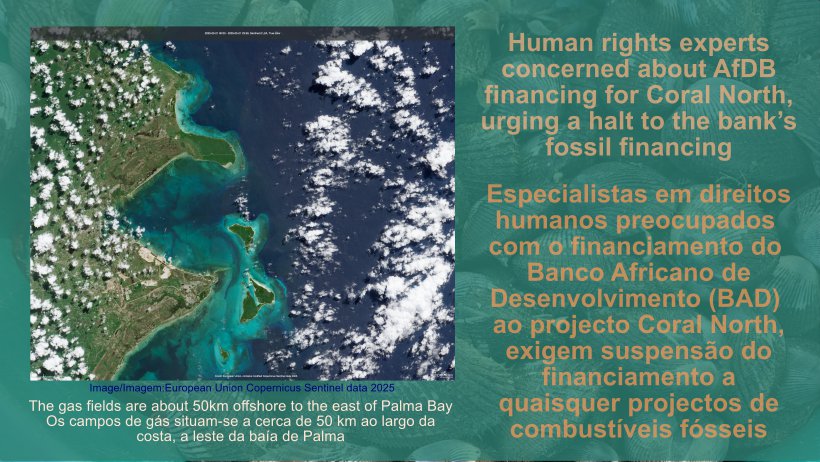
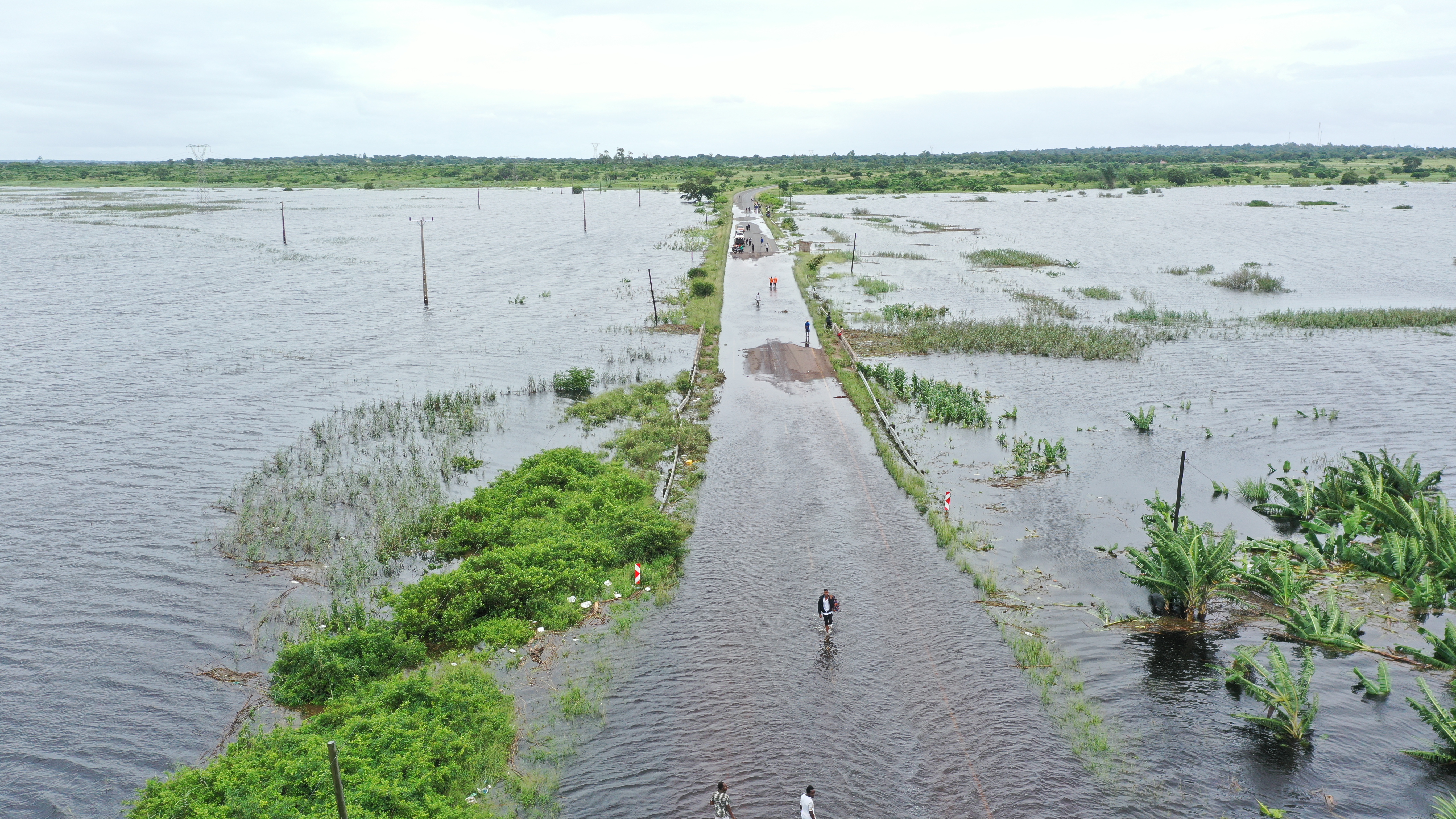
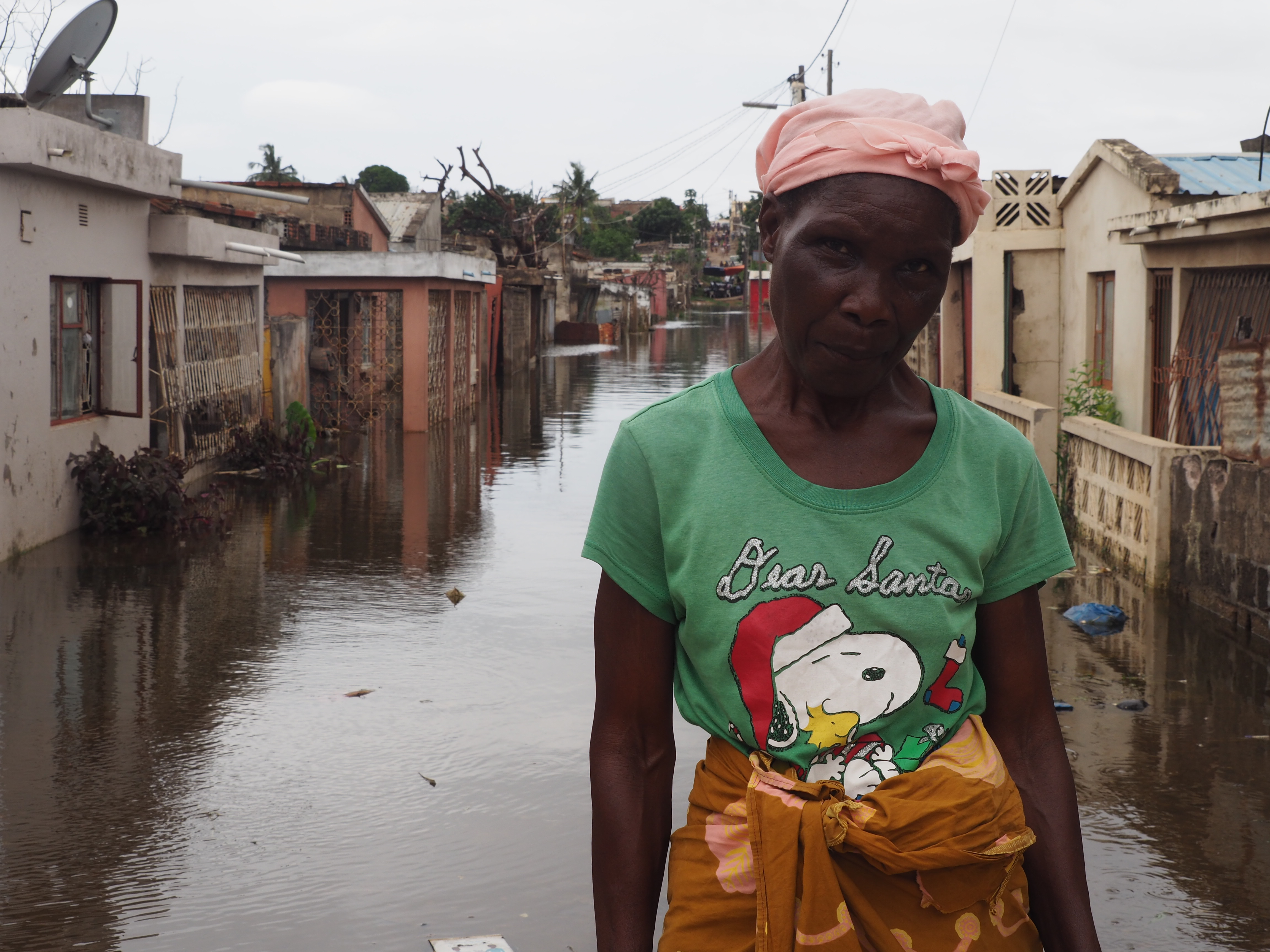
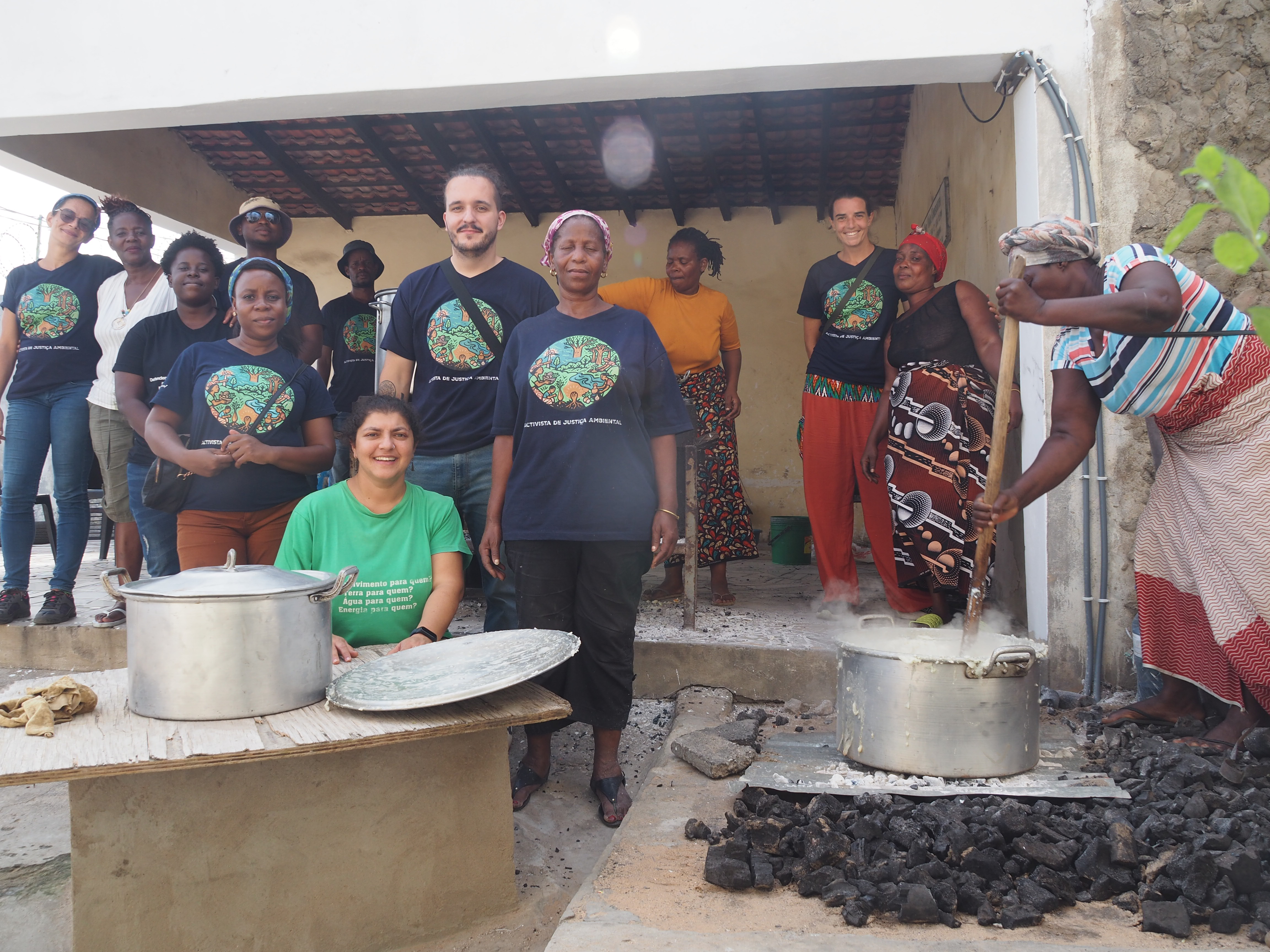

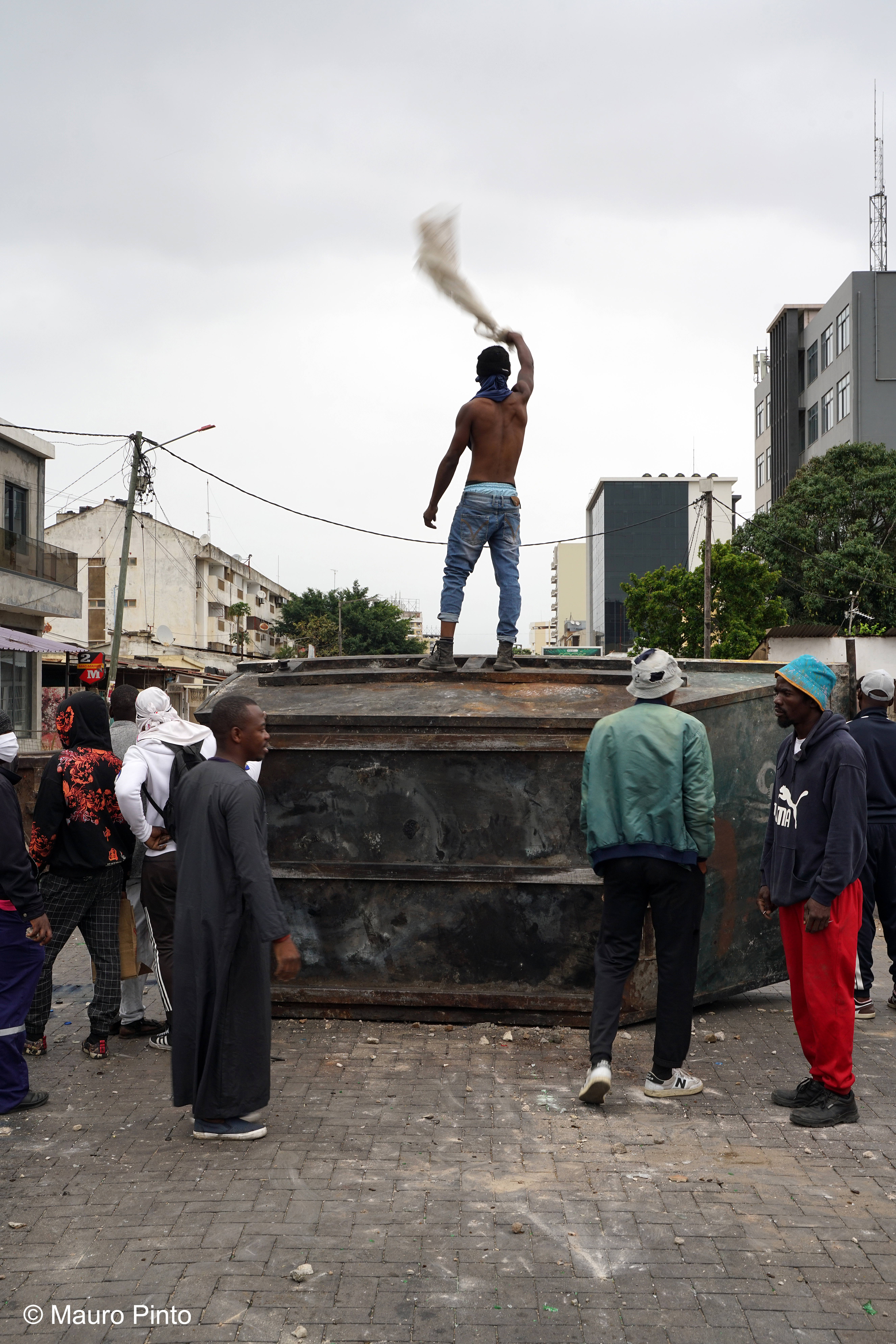
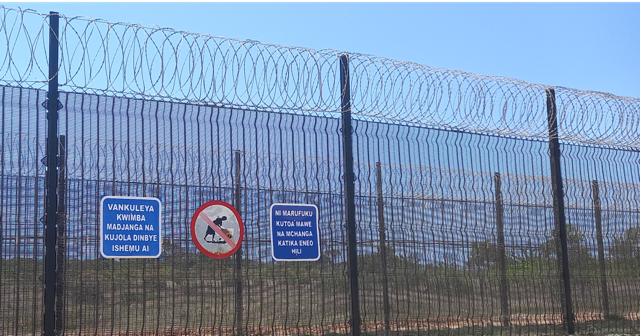

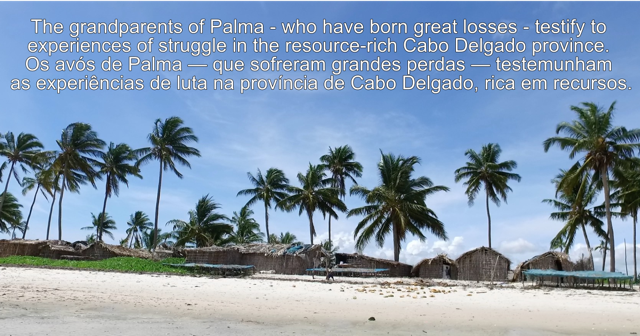
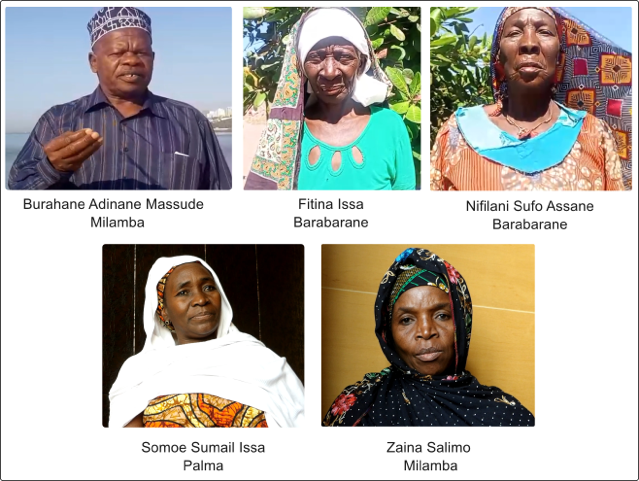
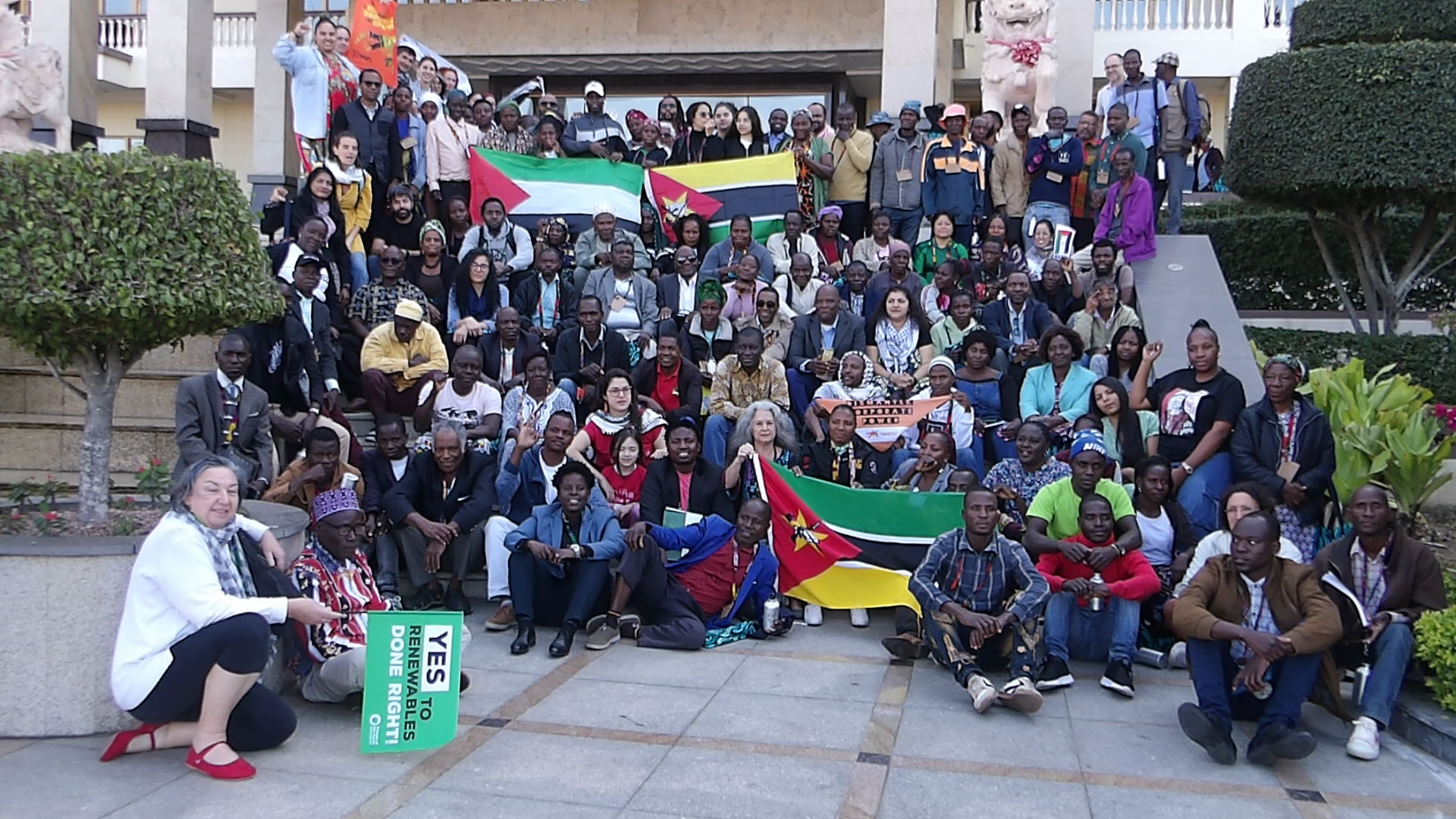
 JA4change