Tag Archives: exploration

Why financial institutions should politely look away from ENI’s Coral North FLNGU

Update from ReCommon and Justiça Ambiental!

In January, Italian company ENI announced it would be ready for the Final Investment
Decision for its Coral North FLNG project, but now states it is still negotiating with private
banks for financing, and seems to blame the delay on the Mozambican authorities. In the
meanwhile, one investor has been sued by a civil society organization, and four private
banks have already excluded financing for the project.
Coral North FLNG, a planned floating platform to extract and liquefy gas off the coast of
Mozambique, is still looking for backers. Although Eni declared in January that it was ready
to take the FID on the project, last week, in the context of its AGM, it admitted to
shareholders that “negotiations with private financial institutions are underway”. When
asked about the reasons for the delay in closing the deal, ENI only replied that the
development plan was approved by the Mozambican authorities in April 2025, implying
they were responsible.
ENI leads work on Coral South FLNG, the only operational project in the Rovuma Basin. It is a
floating processing plant anchored in deep ocean that has been exporting LNG since
November 2022. Coral North FLNG would be a replica, gouging its claws into the sea floor
just 10 kilometres away, compounding the impacts on the ecology of the area.
Answering to the AGM questions, ENI also confirmed that “part of the project requirements
are planned to be financed through debt” and with “support from a number of Export Credit
Agencies”, as for Coral South FLNG. However, different private finance actors are moving
towards withdrawal from unconventional upstream oil and gas in order to achieve carbon
neutrality by 2050. At least four of the banks that supported the first project – BNP Paribas,
Credit Agricole, UniCredit and ABN Amro – say they are no longer interested in financing the
replica because it is not in line with their updated climate change policy.
Just over three years since the massive vessel arrived in the Cabo Delgado region, Coral
South has seen multiple cases of excessive flaring – the burning of excess extracted gas,
which results in significant carbon emissions. As a replica, Coral North would likely be
subject to similar issues. An investigation published in April by Italian civil society
organization, ReCommon, revealed that total emissions from Coral South have been
assessed at levels seven times higher than declared in the original environmental impact
assessment (EIA). Between June and December 2022 alone, flaring emissions from the Coral
South FLNG project accounted for 11.2% of Mozambique’s annual emissions, reflecting an
11.68% increase compared to 2021.Proceeding with gas development in the Rovuma Basin ignores the International Institute for
Sustainable Development findings indicating that investment in additional gas infrastructure
is incompatible with the goal of limiting global warming to 1.5°C. International Energy
Agency analysis also reveals that, in a 1.5°C scenario, existing LNG export capacity would
already be sufficient to meet current and future demand.
With gas demand declining worldwide, Coral North carries high financial risk, prompting
South Korean civil society organisation, Solutions for Our Climate (SFOC) to attempt to stop
state investment in the project. In February, Korea Gas Corporation (KOGAS) announced a
decision to invest USD 562 million in the project through equity and a loan to its subsidiary,
KG Mozambique. In March, SFOC sued KOGAS, arguing that the investment is economically
risky for South Korea, and the project would contribute significantly to climate change
impacts and therefore violate the rights of future generations to a healthy environment.
Between 2008 and April 2024, KOGAS had already invested around USD 1 billion in
Mozambique gas development, but has refused to disclose the preliminary feasibility study
(PFS) for Coral North. SFOC also has an ongoing case against KOGAS for disclosure of the
PFS.
Two other projects in the Rovuma Basin are planning significantly larger onshore processing
facilities, intending to pipe gas from wells about 50 km offshore, Mozambique LNG and
Rovuma LNG. The environmental impacts of the four gas projects together over their entire
lifetimes could be devastating for the Rovuma Basin and the west Indian ocean. The
Environmental Impact Assessment for the Coral North Project has been criticised for failing
to meet legal and scientific standards in assessing environmental and climate risks.
The Mozambique LNG project, led by French fossil giant TotalEnergies remains under
international scrutiny. The project is under force majeure since April 2021, following a
violent insurgent attack. It is now under investigation following reported allegations of a
massacre of civilians that was allegedly committed near the Afungi gas complex in mid 2021
by public security forces. Mozambique LNG shares land-use rights and some infrastructure
with the Rovuma LNG project, which is led by ExxonMobil, with ENI and China National
Petroleum Corporation as major partners. The project also remains without a final
investment decision.
The development of LNG projects in Mozambique also presents severe concerns about
erosion of sovereignty, due to the legal agreements that limit the government’s ability to
regulate these projects and capture fair revenues. Since gas exploitation began around 2010,
the industry has been linked to significant corruption-driven debt, and the government
supports its national oil company’s participation in LNG projects, creating fiscal risk without
guaranteed returns. Local communities have already lost agricultural lands and access to thesea because of the infrastructure development, and hundreds of families were required to
relocate.
Gas revenues so far amount to just over USD 200 million, of which 40% is intended for the
Sovereign Wealth Fund, which was established for stability and savings for future
generations. Last week the Mozambique Administrative Court reported numerous
irregularities in the Financial State Account for 2023 that represent an alleged
“embezzlement” of USD 33 million from Rovuma Gas revenues. In addition, Mozambican
civil society is raising concerns about the funds being allocated to social and economic
projects as provided for in the State Budget.
Developing Mozambique’s LNG industry promises only more harm – ecological destruction
and climate change impact, the destruction of people’s livelihoods, and increased
disenfranchisement and inequality. This is risky business for public and private financial
investors.
Ends

Tagged , , , , , , ,

International Day of Action against Dams, for Rivers, Water and Life

Today, 14th of March 2024, the international day of action against dams, for rivers, water and life, Justiça Ambiental joins the communities living along the Zambezi River to celebrate rivers, water and life!

Did you know that the 14th of March was celebrated for the first time in 1997 in Curitiba, Brazil, during the first international meeting of people affected by dams? Since then, it has been celebrated every year on every continent by thousands of people defending rivers and life on the planet.

Did you know that rivers are essential to the survival of species and the maintenance of ecosystems? Rivers are the biological engines of the planet, and also the livelihoods of millions of people who live on riverbanks.Fishing and farming on the riverbanks are the livelihoods of many rural families around the world, using techniques and traditions passed down from generation to generation.

Did you know that rivers are habitats rich in biodiversity? They harbour an impressive variety of aquatic plant and animal species, many of which are found nowhere else.

Did you know that rivers are one of the main sources of fresh water on the planet? They provide drinking water for billions of people around the world.But water is a vulnerable and finite resource that must be protected.

Did you know that rivers play a critical role in flood control, helping to regulate the flow of water during periods of heavy rainfall? Contrary to what some people think, hydroelectric dams don’t help control floods or droughts; on the contrary, they tend to exacerbate them, as we’ve seen for years downstream of the Cahora Bassa Hydroelectric Power Station on the Zambezi River. Every year, riverside populations lose their crops and goods, not because of the river’s natural rhythm, which includes periods of drought and flood, but because of the dam’s discharges and the artificial flow it causes.

Did you know that rivers have a huge influence on the local climate? They help moderate temperature and humidity along their banks, not only in wild and rural areas, but also in urban areas.Rivers are also a key element in mitigating the effects of climate change.

Did you know that rivers promote human well-being, culture and quality of life? Rivers are where people and civilisations have always settled, where we celebrate our rituals and traditional practices, socialise and relax.They cross borders, languages and cultures.Rivers connect us, dams divide us!

Did you know that rivers are one of the most threatened natural habitats on the planet? Rivers are fragile ecosystems that must be protected.One third of freshwater species are at risk of disappearing forever.Pollution and dams are two of the main factors contributing to this decline.

Did you know that preserving rivers is fundamental to keeping alive the history and culture of many peoples? One of these riverside peoples is the Nyungwe, who live on the banks of the Zambezi in Mozambique.

Did you know that hydroelectric dams are not clean energy? Contrary to what is promoted by the dam industry, these infrastructures emit large quantities of methane (a potent greenhouse gas) due to the accumulation of organic matter in their reservoirs, which ends up decomposing.Without the dam, this organic matter would flow freely into the delta, contributing to its fertility.In addition to emissions, dams are also a means of progressive expansion of invasive species (such as toxic algae and parasites), altering the ecosystem balance of the river.

Did you know that some of the countries that have built the most dams are currently demolishing them? A total of 2,119 dams have already been removed in the United States of America since 1912, of which 80 were removed in 2023 alone! This initiative aims to restore the natural flow of rivers and protect their ecosystem.Unfortunately, many of the countries that are committed to demolishing dams on their territories promote their construction in other countries, as is the case of France.

Did you know that rivers are a common good? Rivers are part of humanity’s heritage.They don’t belong to anyone or any state – states are just the guardians of this heritage.At the same time, rivers belong to all of us!

Today and always, we reiterate our fight in defence of healthy, free-flowing rivers: NO to the Mphanda Nkuwa dam! For the survival of the Zambezi River, its ecosystems and its people!

Tagged , , ,

Total Turmoil: Unveiling South Korea’s Stake in Mozambique’s Climate and Humanitarian Crisis

Published by Solutions For Our Climate (SFOC), January 2024.

Kim & Oh, ‘Total Turmoil: Unveiling South Korea’s Stake in Mozambique’s Climate and Humanitarian Crisis’, January 2024, Solutions For Our Climate (SFOC)

The report identifies the participation of South Korean corporations in Mozambique’s liquified natural gas (LNG) projects and lays out the risks and flaws in the project that affect the economic feasibility and ethical correctness of the project. It is published by Solutions For Our Climate (SFOC).

SFOC has identified the significant participation of South Korean corporations in Mozambique’s LNG projects, as they play pivotal roles throughout the entire value chain of the Mozambique LNG business. With a 10% stake in the Area 4 block, Korea Gas Corporation (KOGAS) has been making substantial investments in project exploration and development. Notably, major Korean shipbuilders are actively involved in Area 1 and Area 4 projects. Samsung Heavy Industries is expected to provide offshore LNG production vessels for two of the four Mozambique gas field projects. Meanwhile, three Korean shipbuilders anticipate supplying a total of 23 LNG carriers for transporting the produced LNG volume. Six LNG carriers have already been constructed and are in use to transport LNG volumes from the Area 4 Coral Sul field, while 17 fleets for the Area 1 Mozambique LNG project await the final contract to be signed. Consequently, South Korean public financiers have become involved in the Mozambique gas projects, providing a total of USD 3.22 billion financial support to Korean companies engaged in these initiatives.

The LNG projects in Mozambique face significant risks, primarily in two key areas. Firstly, flawed resettlement processes for local communities near the LNG facilities have resulted in forced relocations, inadequate compensation, and the loss of livelihoods, especially among fishing communities. Secondly, there are substantial climate concerns associated with these projects, as they are expected to contribute significantly to greenhouse gas emissions when considering the project’s entire lifecycle. An independent report by Friends of the Earth and the New Economics Foundation estimated that the Mozambique LNG project alone could generate 3.3 to 4.5 billion tonnes of CO2 equivalents, surpassing the annual emissions of all EU countries.

The involvement of South Korean stakeholders in the LNG projects raises alarming concerns. By providing financial support for the LNG projects in Mozambique, public finance institutions have failed to adequately assess human rights, climate, environmental, and security risks associated with the projects in accordance with both international and internal guidelines. Samsung Heavy Industries faces criticism for its involvement in controversial LNG projects in Mozambique, which potentially conflicts with its sustainability initiatives and ESG commitments. Additionally, the economic feasibility of new gas projects in the Mozambique Area 4 basin, where the Korea Gas Corporation holds a 10% stake, is questionable due to factors such as low profitability, regional instability, declining gas demand, and fierce market competition.

Some key recommendations to relevant stakeholders are:

1. Public financiers should withdraw their financial backing from Mozambique gas projects and join the Clean Energy Transition Partnership (CETP) to end fossil fuel investment.

2. Public financiers should establish Human Rights, Environmental Impact, and Security Assessment processes.

3. KOGAS should consider divesting its stake in Area 4.

4. The South Korean shipbuilding industry should transition away from the fossil fuel business.

To access this complete study, in the original English version, please visit the website:

https://forourclimate.org/en/sub/data/mozambique_climate_crisis

Tagged , , , , ,

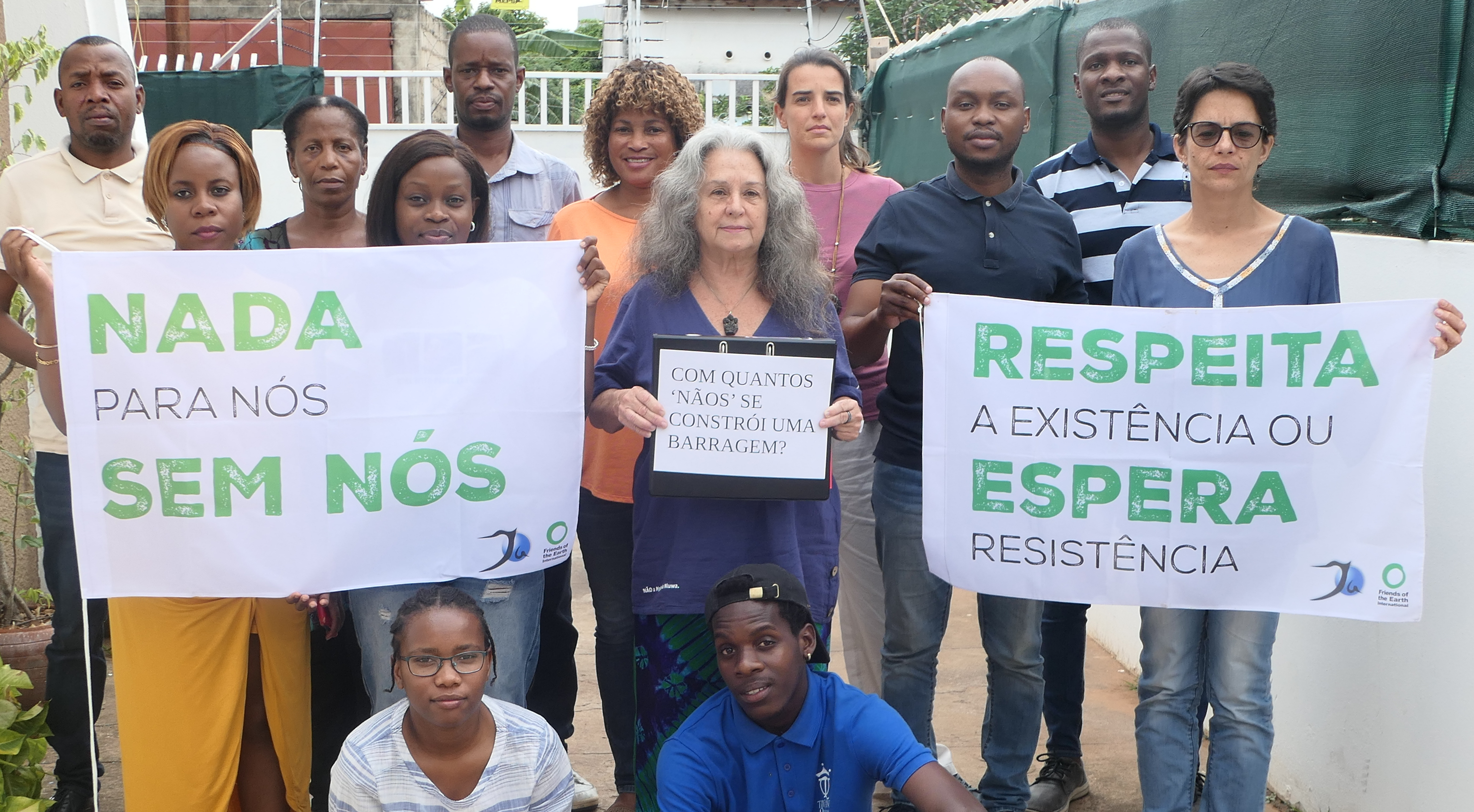
Video launch:How many “no’s” does it take to build a dam? The repression of the communities who resist Mphanda Nkuwa

On December 13th, in Maputo, the Mozambican government and the companies Electricidade de Moçambique (EDM), Hidroeléctrica de Cahora Bassa (HCB), Électricité de France, TotalEnergies and Sumitomo, signed the partnership contract for the construction of the Mphanda Nkuwa hydroelectric dam on the Zambezi River.

A partnership contract that is signed before a single community consultation meeting with the people who live in the region has been carried out, only makes it even more clear that the project is not, and never has been, for the benefit of the local population. Our Constitution and Land Law guarantee customary land rights, and local communities should have their rights to public participation and fair and prior compensation respected. To add insult to injury, this unlawful contract was signed with all the pomp and circumstance, in the presence of the President of the Republic, the Ambassadors of France and Japan, among other personalities. It’s a blatant lack of respect for the People, celebrated in a luxury hotel in Maputo, and commemorated by the political elites and big international capital, who see Mphanda Nkuwa as an opportunity to play “energy transition” and trade carbon credits. But the power dynamic between those promoting the project and those who will be affected by it only underlines its neo-colonial nature: force them out of their land, because there are valuable resources to exploit – and export!

And as if this shocking obstruction of public participation was not enough, the interests behind the Mphanda Nkuwa project are also fuelling the repression of local communities. To counteract the misinformation created by the project’s promoters, Justiça Ambiental launching a video on the same day this shameful contract was being signed with first-hand accounts of what has been happening in the communities of Marara, Chiúta and Cahora Bassa to those who question the project or claim their rights.

This repression has taken place in various forms, it has been perpetrated by the local government and the Police of the Republic of Mozambique, and it includes:

– The intimidation and threats to community members who criticise the project;

– the violation of freedom of movement and community member being required ‘authorisation’ from the local government to travel;

– the violation of freedom of association and actions to prevent communities from meeting with civil society organisations such as JA!;

– the violation of freedom of expression and banning songs about the communities’ feelings about the project;

– the expulsion of community members from meetings related to the project;

– the arbitrary arrests of community members who travelled to Maputo to take part in legal trainings.

Once again, in the face of all these breaches of the law, we wonder where are the institutions that should be looking after the legality and rights of all Mozambicans. We need to think seriously about how megaprojects are being implemented in our country, about the social conflicts they are fuelling and about the impacts they are subjecting us to. How long are we to believe in this development paradigm?

Watch the video:

Nothing on our land without our free, prior and informed consent.

NO to Mphanda Nkuwa!

Tagged , , , ,

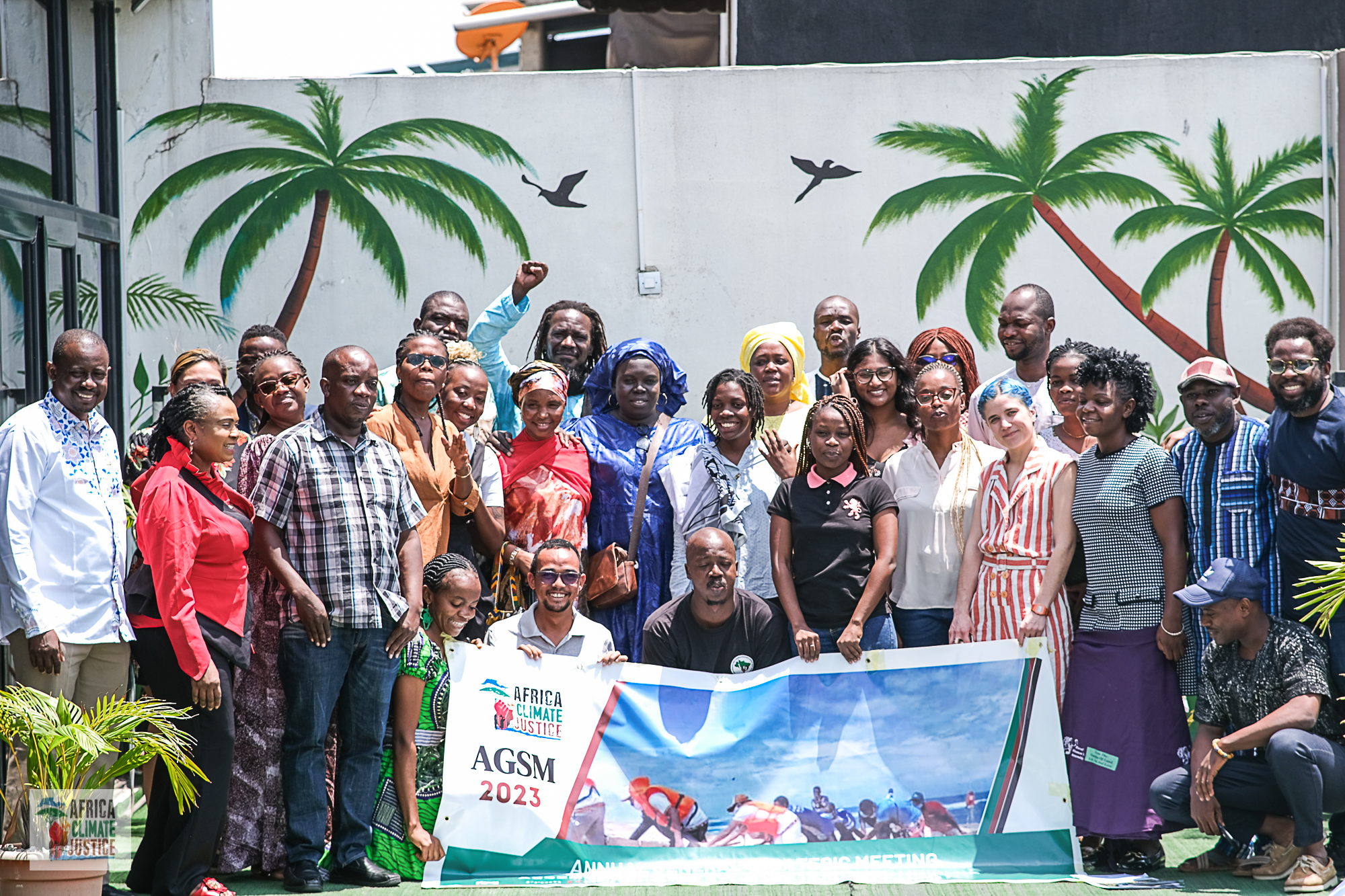
AFRICA CLIMATE JUSTICE COLLECTIVE: IN SOLIDARITY WITH THE PEOPLE OF SOUTHERN AND CENTRAL AFRICA

The Africa Climate Justice Collective is concerned about the ravaging effects of the climate crisis in Africa, especially the recent flood disasters that submerged some parts of the Southern and Central African regions of the continent.

Cyclone Freddy has wreaked havoc in Southern African countries especially Madagascar, Mozambique and Malawi since February 2023. Thousands have been displaced and hundreds have lost their lives while others are still missing. In Madagascar at least 300 000 people have been affected, 17 people have died and 3 are missing. Malawi has recorded 563771 displaced persons, 511 deaths while 533 are missing. In Zambezia province of Mozambique, 22000 people have been displaced, 10 dead and 14 injured.

In Central Africa, Buea City in southwestern Cameroon between 18 and 19 March 2023 experienced torrential rains that caused floods and landslides and resulted in casualties. The twin disasters which were both triggered by several hours of rainfall had led to the loss of lives (media reports confirmed 2 deaths) and destruction of properties. In total, nearly 300 people living at the foot of Mount Cameroon have been affected. In all these countries, houses and infrastructure have been destroyed and it will take a long time as well as require a significant stream of funds to recover. These events highlight the urgent need for effective disaster response strategies and climate change mitigation measures to protect vulnerable communities in the affected countries and beyond.

Faced by these tragic events, the African Climate Justice Collective (ACJC), which is made up of 27 movement-based and other allied civil society organizations, and individuals and partners all across Africa, is calling for concrete actions to address the ongoing Climate emergencies not only in Southern Africa but in the continent as a whole. Cyclone Freddy’s long journey began off the coast of Australia in early February 2023. After becoming an exceptionally powerful storm and crossing the Indian Ocean, Freddy first struck eastern Madagascar on February 21 and southern Mozambique a few days later.

According to Anabela Lemos, Director of Justiça Ambiental/Friends of the Earth Mozambique and a convenor of the ACJC “our people are compelled to pay the debt they never owed, they are forced to reap pain and agony from the crisis they never created while the government and multinational corporations go to the Bank with fat pockets”.

Rumbidzai Mpahlo who coordinates the ACJC stated that “As a collective, we continue to call for the activation of both climate finance and the Loss and Damage Fund without any debt- creating and repressive conditions. This is an emergency which should be treated with the urgency it deserves.

Maimoni Ubrei-Joe of Friends of the Earth Africa and Nigeria has stated that the recent IPCC report has further demonstrated the failure of world leaders to commit to addressing the global climate crisis. ““The time to act to reverse the negative impacts of climate change is now””.

This recent IPCC report has sufficiently shown how short-term climate forecasts (spans next decades) are not brilliant, and weather disasters like Cyclone Freddy, will multiply with disastrous consequences. It is therefore more than ever the moment to build a more effective and efficient disaster management that is capable of anticipating these risks and disasters, looking urgently at the case of the communities affected by Cyclone Freddy. Positive experiences of management of extreme floods and other climatic phenomena on the African continent should inspire the development and strengthening of rapid alert and response mechanisms.

The CADTM African network demands that the polluting multinationals recognize their climate debts and pay due compensations to the victims of climate change and Africa as a whole focusing on these three countries; Mozambique, Malawi, and Cameroon which are currently grappling with climate change impacts. The CADTM African network invites African leaders to restrain from refunding the debts they have contracted in repairing the climate damages.

We are hereby standing in solidarity with those affected in Malawi, Mozambique, Cameroon and Madagascar. The Global North and Governments of these nations should ensure that funds and relief materials are made available for loss and damages as agreed upon at COP 27 and these funds should be made available to those directly affected and not channeled to the nations ecological funds where they will be diverted to meet other national needs leaving out those that have been badly affected by the cyclone.

We are traversing a great moment of transition, from a system that is crumbling away, to a new one, that is not yet fully formed. At this very moment, a few and powerful blood-thirsty Africans continue to sell out our countries and our sovereignty, fomenting wars and destruction for vanity and personal gain to feed. At the same time, on the ground are showing the best of our human principles, throwing themselves into the post disaster chaos, to help victims, often reaching the areas where “no aid ever comes”, and so many others who mobilize their solidarity in their own ways to support their fellow nationals.

As much international solidarity there may be in any major disaster, African nations must muster themselves the vision, capacities, skills and resources needed to not only be prepared for disasters, but to manage its territories in harmony with Nature. The ACJC recognizes that there is great complexity in the actual implementation of this proposal, but only the Nation itself can claim its own sovereignty. African Governments MUST CHANGE COURSE. The solutions and proposals of the ACJC provide a guide for this. But there is much more to be done. Now more than ever, there is ample evidence that territories with wider biodiversity are significantly more resilient, or able to more rapidly recover from climate related shocks. Some, if not most, of the solutions are already within our grasp as a society.

Our hearts go out to all of the lost ones, and to those who are left behind in mourning, but also to all the survivors and those on the ground working to make their communities a better place for our loved ones.

A NEW AFRICA IS POSSIBLE!

CLIMATE JUSTICE NOW!

Contact: Benson Dotun Fasanya | info@africaclimatejustice.org | +2347062249235.

Contact: Judite Jofrice | judite.ja.mz@gmail.com| (+258) 84 310 6010

Tagged , , ,

Petition to stop the Mphanda Nkuwa dam project submitted to the Assembly of the Republic

Mozambican organisation Justiça Ambiental (JA!) last Wednesday (December 21st) submitted a petition with more than 2,600 signatures from Mozambican citizens to demand that the controversial Mphanda Nkuwa dam project, proposed for the Zambezi River, cease immediately.

The terms under which the Mphanda Nkuwa hydroelectric project was conceived, and under which it is proceeding, do not comply with the fundamental objectives of the Mozambican State enshrined in Article 11 of the Constitution of the Republic, especially with regard to human rights and equitable development. Furthermore, this project entails very high environmental, ecosystem, climate, seismic, social and economic risks, which have not yet been properly assessed and studied by the Mozambican government. Despite these risks, and the numerous requests for clarification and information submitted by Justiça Ambiental to the government and to the Mphanda Nkuwa Hydroelectric Project Implementation Office (GMNK), the project has been moving forward, in this new phase, since 2018, in an accelerated manner and without due public scrutiny.

Furthermore, the project is also in violation of articles 21, 22 and 24 of the African Charter on Human and Peoples’ Rights, which establish peoples’ right to the free disposal of the use of natural resources and prevent them from being deprived of their use; the right to choose the model of economic development, social and cultural with strict respect for their freedoms and identity; and the right to a balanced environment conducive to their development.

It should be noted that, although the project has been under way for 4 (four) years in this new stage, no public consultation related to the project has yet been carried out, nor has any consultation taken place with the local communities that will be directly and indirectly affected by it. This is in clear violation of several guidelines and principles followed by Mozambique regarding the protection and promotion of the right of free, prior and informed consent (FPIC).

With this petition, the more than 2,600 undersigned Mozambican men and women demand that an open, inclusive and comprehensive dialogue is promoted and that the Mozambican government fully clarify the outlines, objectives and rationale behind this “priority” project, including:

• Where does the investment come from and what is the trade-off?

• Why is this project a priority for the country, considering our levels of poverty and inequality; that thousands of children have no place in school, and that there aren’t adequate health services for everyone?

• What is the reason for insisting on this project, which has already been abandoned so many times? What other interests exist behind a project of this dimension?

• Have other energy alternatives been considered? If yes, which ones?

• Who will be responsible for compensating the communities that have had their future mortgaged for the past 20 years, unable to invest in their community and in necessary infrastructure due to fear of losing their investments, since in 2000 they were advised by the government not to build any new infrastructure?

• What is the real purpose of the dam and what supposed gains do they believe the country would reap in the short and long term, including how do they intend to generate financial returns?

We also demand the elaboration of scientifically valid and impartial studies that respond to all the questions that have been raised since the approval of the environmental impact study in 2011, such as:

• Uncertainty about the flow regime under which the dam will operate (base-load or mid-merit);

• Lack of definition on the area chosen for resettlement of the communities directly affected by the dam;

• Poor sediment analysis elaborated with insufficient data, which does not allow for a valid scientific analysis;

• Weak seismic analysis, without concrete data and with results and conclusions that contradict other studies by renowned specialists;

• Weak analysis of the potential impacts of climate change and changes in upstream water demand, which will affect the project’s economic viability;

• The fact that the guidelines of the Worldwide Commission on Dams were not considered or followed, particularly with regard to social and environmental rights and justice, among others;

• Viable energy alternatives for the country, comparing and analyzing the respective benefits and impacts;

• How the project will ensure that the gains generated by the dam will not be appropriated by a small economic and political national elite, and by large multinational companies.

We furthermore demand that an open, inclusive and comprehensive dialogue be promoted around clean, fair and accessible energy solutions for all Mozambican men and women, so that we can embark on a sustainable development that ensures the protection of the important ecosystems that guarantee life on the planet.

Justiça Ambiental also calls for this matter to be dealt with as a matter of urgency, considering the growing and concerning scenario of intimidation and threats that we have observed in the context of our work in the District of Marara, including accusations of terrorism, demand for “authorisation to work on site”, and indication that local communities should not receive legal training on their rights or information on the impacts of dams. Several members of the communities that will have to be resettled to make room for this mega-project have also reported threats, intimidation and ‘warnings’ not to speak out against the project.

In addition to the signatures collected in the District of Marara, in Maputo City and throughout the country, more than 70 national, regional and international non-governmental organisations also signed the petition in online format, in solidarity.

It’s time to say STOP to a development model that enriches our elites and large multinational corporations, at the expense of most of the population and of nature. Let’s together demand clean, decentralised energy projects that benefit the Mozambican people!

Read the full text of the petition on the Justica Ambiental webpage:

In English: https://ja4change.org/2020/12/16/save-the-zambezi-river-from-the-mphanda-nkuwa-dam/

In Portuguese: https://justica-ambiental.org/2020/12/16/salve-o-rio-zambeze-da-barragem-de-mphanda-nkuwa/

#MphandaNkuwaNão

Tagged , , , , , ,

Mphanda Nkuwa, the witch hunt and a government with no ears

After its ‘ghost’ phase between 2018 and 2021, when the Mphanda Nkuwa Hydroelectric Project Implementation Office (GMNK) had already been created but no one could find it (not even MIREME, the Ministry of Mineral Resources and Energy), over the past year GMNK has been effusively communicating several advances made on the project. Most of these news concerns new partners, potential investors, and calls for studies that are necessary for the different stages of the project. The Jornal Notícias on the 14th of September 2022, however, brought an unprecedented report on a topic that until then had been treated as taboo by our government: the opinion of local communities regarding the project.

Entitled ‘Communities say yes to Mphanda Nkuwa’, the article reports that the population of Chirodzi-Nsanangue, one of the villages that will be resettled to make way for the project, welcomes the construction of this dam. A great deal of information contained in this article, and in a similar television programme broadcasted by TVM (Mozambique’s public TV channel) on the 7th of the same month, raises some questions that deserve to be debated and problematized.

A doctor’s visit

The above-mentioned article and report were produced as a result of the first meeting of the GMNK (accompanied by its consultants) with the Chirodzi community since the revitalization of the project in 2018.

Coincidence or not, this GMNK visit to Chirodzi came just a few weeks after the launch of the study ‘Mphanda Nkuwa Dam: a climate change millstone around Mozambique’s neck’, which took place on 21 July; an event during which the GMNK Director was questioned by some community members as to why no meetings had been held with local communities since the project’s revitalization. On this same occasion community members also asked Director Carlos Yum about what benefits this project would bring to local communities, about maintaining their subsistence activities (fishing, livestock and agriculture) and about the land that would be made available for their resettlement. Some of the responses given by the GMNK Director were considered ‘disrespectful’ by the people who attended the event, as he stated that local populations should not only focus on individual benefits, but believe in the ‘macroeconomic’ benefits that the project will bring to the country. Most of the questions raised by the local communities were answered evasively, ambiguously or unclearly by the Director, missing an opportunity to finally clarify some of the issues that have been troubling these people.

This mention of the macroeconomic benefits of the project and the disregard for the concerns of local populations is in line with a concept that has been presented by several scholars and specialists, in which they call ‘sacrifice zones’ those regions that are buffeted by high environmental impacts and social problems due to the existence of polluting industries or other megaprojects, projects that are usually justified by an alleged ‘greater good’ that supposedly will benefit the country as a whole. Some sociologists have observed that the existence of sacrifice zones is made possible by a culture of vulnerability of the human and environmental rights of marginalized or disadvantaged populations, through which it is evident that some people have rights and privileges, and others suffer the impacts.

Returning to the meeting on the 7th, it is important to mention that it took place during Victory Day, a public holiday, and a day of celebration in the community, which in itself is quite unusual. JA! was present at the meeting that lasted no more than 15 minutes, and consisted of only one person speaking, the representative from GMNK. Of the various communities that will be affected by the project, only the community of Chirodzi-Nsanangue (main neighbourhood) was present, and other communities were not invited (nor their leaders), such as Bairros 1 to 6 of Chirodzi, Chococoma, and Luzinga, among others. No time was given for questions, comments or concerns that the community might have, nor were their concerns documented: no one had the right to speak apart from the GMNK. As we observed on the ground, and according to reports we received from various community members, this first GMNK visit to Chirodzi seemed to have only two purposes: to inform the community that the project is moving forward at full speed; and to produce reports to let the rest of the country know that the communities support the project.

The siege on civil society

Both the Notícias article and the TVM report, media outlets known for being aligned with our government’s interests and agenda, also stated that there are some NGOs that have been instrumentalizing communities so that they do not accept Mphanda Nkuwa’s dam project.

However, Justiça Ambiental has been working with communities in the region for 22 years, with regular visits and activities during the ‘dormant’ phases of the project, and we have never known or come across such organizations. It is really deplorable that some civil society organizations tend to treat local communities as if they were their property, speaking on their behalf and controlling their opinions, but we were not aware that this could be happening in Chirodzi.

However, this persecution of organizations that criticize so-called development projects is already well known. They are referred to as anti-patriotic, anti-development, or even terrorist organizations. Now, the government is preparing to tighten its grip on civil society even further, seeking to pass a highly controversial law that gives the government excessive powers, including to extinguish non-profit organizations for failing to report on their activities. It is easy to imagine what kind of organizations would be the first to suffer such reprisals.

The fact is that certain truths about these megaprojects – their impacts on the environment, the appalling conditions in which local communities are usually resettled, or how promises of employment never materialize – when said out loud do not please the government. What if people discover that the words spoken during community consultations only serve to convince them to accept the project? Worse, what if they decide to organize themselves so that the project progresses only according to their requirements, respecting their wishes, and ensuring that they truly benefit from it?

Communities accuse manipulation of information

Having been present in the region since 2000, and having cultivated a relationship of friendship and solidarity with these communities that was maintained even when the project seemed to have been shelved, JA! has received numerous requests for support, legal training and advice from people who fear the loss of their land with the arrival of the dam. JA!’s activities in this and other communities threatened or affected by megaprojects has been based on sharing information and exchanging experiences on the environmental and social impacts of this type of project, on empowerment and legal capacity building actions so that communities are able to defend their rights and negotiate the terms on which they agree (or not) to give up their land, and in activities that seek to raise the voice and raise awareness of the concerns of local communities through interviews, videos and articles.

When the Jornal Notícias of 14 of September reached Chirodzi and the surrounding area, it caused a lot of indignation within the community. The JA! team began to receive phone calls, SMS and videos from various community members expressing their displeasure with the information portrayed there, and accusing Notícias of manipulating the information, spreading lies and not having asked community members what they think of the project. Several families from two of the neighbourhoods’ threatened by the dam wrote petitions where they ask for some honest, independent and impartial media agency to go to Chirodzi and neighbouring communities in order to listen to the real opinions of the communities. This avalanche of outrage seems to confirm what JA! observed in the field: that there was no interest on the part of the GMNK to hear and make known the real opinion of the local communities regarding this project.

Rights, justice and paths to peace

We will not mention here the numerous risks and potential impacts that we have been pointing out over the last 22 years, and which have been neglected at all stages of the project. It’s not even up to JA! to clarify whether the community is for or against the project. It is up to us, as a civil society organization, to present our position, justify it and bring it up for debate in the public space, with the government, with the actors involved, with the local communities, pressing for responses and policies that deal with the problems we face as a society.

The question that arises at the moment is another: why does the government insist on not listening to the local communities which will be affected by the Mphanda Nkuwa project? Why does it insist on belittling their concerns, and masking them with a large media apparatus, to make it appear that the project is moving forward with local support? If local communities put their needs and demands forward for the advancement of the project, will these be respected and fulfilled? And if communities say they are opposed to the project as it stands, and claim their right to say no, will the government be willing to listen to them?

We believe that dialogue, and the broad participation of civil society in these types of issues, can help us start to embark on a development model that meets the needs and desires of the majority of the population, consequently reducing the social tensions and wars that we have in our country which are also caused by the exclusion of the majority of the population from decision-making processes.

The path we have been following, as a country, neither serves nor benefits the people. The attack on civil society organizations and any critical voice reflects our government’s lack of commitment to democracy and broad public participation. It is urgent that we chart new paths that lead us to peace and to a model of a country that we can be proud of – something radically different from what we are experiencing today.

*This article was originally published in Jornal Savana in Portuguese on 30th September, 2022

Tagged , , , ,

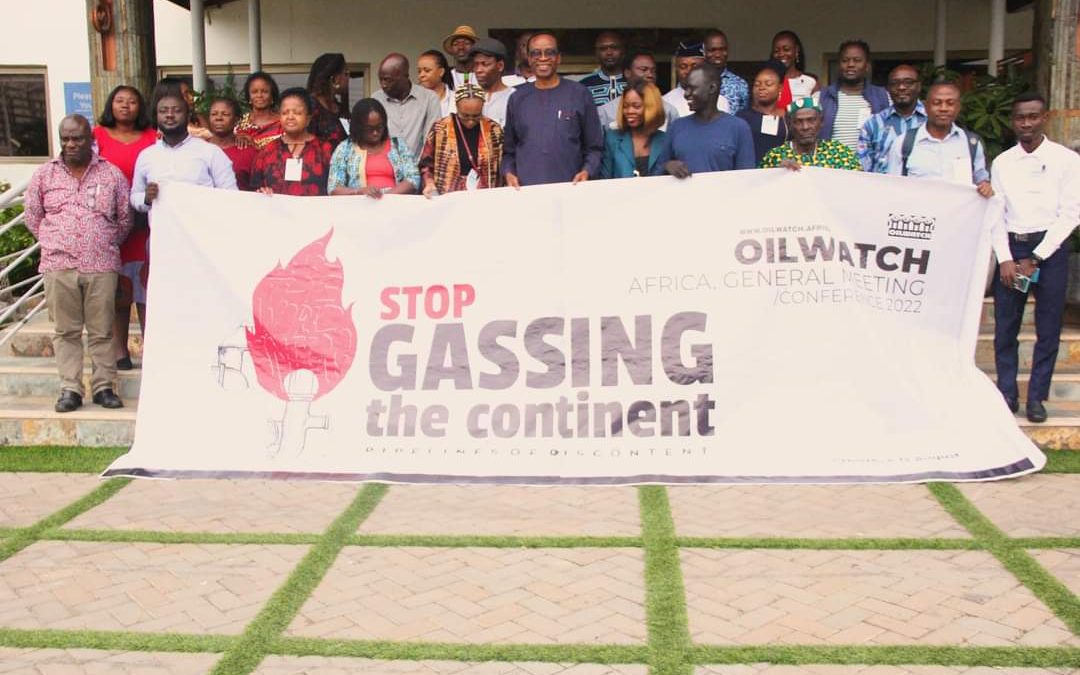
Stop Gassing the Continent! – COMMUNIQUE OF OILWATCH AFRICA CONFERENCE 2022

Oilwatch Africa (OWA) held the 2022 Conference and Annual General Meeting at Accra, Ghana between 8th -12th August. The theme of the continental gathering was Stop Gassing the continent: Pipelines of Discontent. The Conference had presentations and representation from CSOs, activists, scholars, journalists, fisherfolks and Eco-defenders from fossil fuels-affected communities across the continent and provided another opportunity to deepen OWA’s mission as a network of peoples and organisations building solidarity to end expansion of oil and gas activities given its negative impacts on people and the environment in Africa.


Key observations made by delegates included:

  • That the current rush for Africa’s oil, gas and mineral resources amounts to a perpetuation of extractive modes of colonial exploitation, which condemned the continent to predatory slave trade, followed by the massive raping of agricultural and forest resources, before the current iteration with its focus on minerals and fossil fuels.
  • That the argument that Africa deserves to utilise its natural resources for energy sufficiency and development belies the fact that extraction of natural resources has historically been export-driven for the benefit of the consumption needs of the global north and scarcely targets the needs of the continent and the rhetoric by African leaders that fossil fuels could be utilised by the continent as a “less harmful” transition fuel is a delusion as gas contributes massively to climate change through its methane content.

  • That the continuous financing and development of massive pipeline projects such as the East African Crude Oil Pipeline (EACOP) project, the West African Gas Pipeline Project WAGP, and the Trans-Saharan Gas Pipeline, among others constitute an aggression on the land rights of communities and portend massive livelihood disruptions, conflicts, human rights abuses, and environmental degradation across the continent.
  • That the current trend in which multinational oil and gas companies sell off their stakes in onshore oil and gas assets and move out of African countries or further offshore amounts to an abdication of responsibility for historical damage caused by their activities in these countries.
  • That the Paris Agreement and its 1.5 degrees Celsius target as driven by the so-called Nationally Determined Contributions (NDCs) is a huge betrayal for Africa as the continent warms at about 50% above the global average, meaning that going by the NDCs, Africa is condemned to literally burn at the best of scenarios.
  • That Africa is rich in renewable energies and given the growing competitiveness of clean energy technologies and has the potential to advance its energy transition along a zero-carbon pathway. For instance, Africa has the world’s highest solar potential but currently accounts for just one.
  • That industrialised countries have demonstrated insincerity by routinely spending close to $2 trillion annually on military hardware and warfare while foot-dragging on climate commitments, especially adaptation finance.
  • That emerging global and regional policy norms around a so-called blue economy revolution, constitute a massive threat to African coastal communities’ maritime and aquatic resources, and the continent’s environment, and will further incentivize illegal and overfishing in her waters.
  • That there has been a rise in the victimisation of Eco-defenders across the continent by oil companies and their state collaborators, and this repressive climate has been worsened in recent times by the proliferation of so-called oil and gas regulatory reforms (such as Nigeria’s Petroleum Industry Act 2021) that shrink civic space by constraining the voice and agency of extraction-affected communities in decision making related to their natural resources and environment.


Oilwatch Africa denounced efforts to lock Africa in the exploitative fossil fuels pathway to meet the energy needs of polluting nations and to feed the greed of the fossil fuels industry. To ensure a just transition and secure climate justice for our peoples, the conference made the following demands:

  1. There must be a halt to all new coal, oil, or gas exploration and extraction activities in Africa in line with the imperatives of the energy transition. We specifically demand the stoppage of oil exploration and expansion plans in the Virunga basin of the DRC, the Keta region of Ghana, the Okavango Delta of Botswana, the Orange River Basin in Namibia, and a halt on all plans for the West African Gas Pipeline Project, the Trans-Saharan Gas Pipeline Project, and the East African Crude Oil Pipeline Project, among others.
  2. That African governments must leverage the hosting of COP27 this year to demand far-reaching measures on climate adaptation and finance, including emissions cut at the source.
  3. African governments should demand from polluting industrialised countries an annual climate debt of $2 trillion being the amount they currently spend on military hardware and warfare annually. This will pay for loss and damage and serve as partial reparations for historical harms.
  4. That oil and gas multinationals currently planning to divest and escape responsibility for their historical damage to African communities (such as Shell and Exxon Mobil in Nigeria’s Niger Delta) should restore the environment and compensate communities for ecocide committed in their territories before their exit.
  5. African states must develop Africa-centred and just energy transition plans where such do not exist and where they do, to mainstream such plans into broader national development plans in ways that take cognizance of Africa’s huge renewable potential.
  6. African countries and the African Union must tread with caution to the so-called blue economy, and especially denounce unconditionally all attempts to normalise Deep Seabed Mining (DSM) within the continent.
  7. International Financial Institutions, including the African Development Bank and export credit agencies to cut all financing to fossil fuel projects in Africa
  8. African governments and international organisations to respect the right to life of human rights and Eco-defenders in the continent who are increasingly repressed.

Adopted on the 11th of August 2022, by Oilwatch Africa members and organisations from:

  1. Côte d’Ivoire
  2. Democratic Republic of Congo
  3. Ghana
  4. Kenya
  5. Mozambique
  6. Nigeria
  7. Senegal
  8. South Africa
  9. South Sudan
  10. Swaziland/Eswatini
  11. Tchad
  12. Togo
  13. Uganda

Organisations/Networks:

  1. FishNet Alliance
  2. Policy Alert
  3. We the People
  4. Peace Point Development Foundation
  5. Oilwatch Ghana
  6. Oil Change International
  7. Host Communities Network, Nigeria
  8. Environmental Rights Action/Friends of the Earth Nigeria
  9. Kebetkache Women Development Centre
  10. Foundation for Development in the Sahel (FDS)
  11. Health of Mother Earth Foundation
  12. Africa Institute for Energy Governance (AFIEGO)
  13. Jeunes Volontaires pour l’Environnement (JVE)
  14. Justiça Ambiental (JA)
  15. Ground Work
  16. Friends of Lake Turkana
  17. Femmes Solidaire (FESO)
  18. Centre for Research and Action on Economic, Social and Cultural Rights (CRADESC)
Tagged , , , , , ,

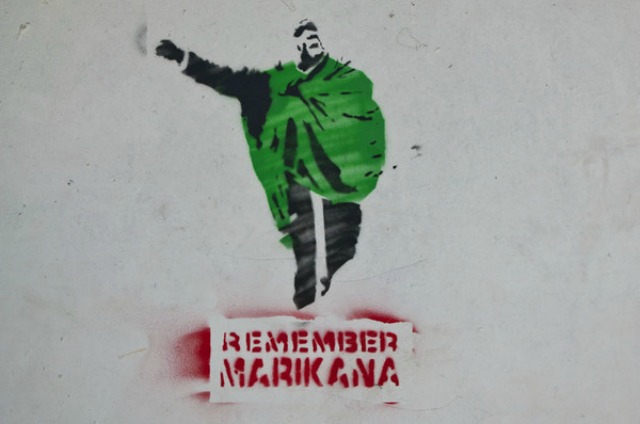
Ten years since the Marikana massacre and still no one has been punished

This week marks the 10th anniversary of the Marikana massacre, the day that striking South African mineworkers were violently attacked by the police, who killed 37 unarmed people. The police, government, company and even current President Cyril Ramaphosa, who were all directly involved, have not been held accountable for their crimes, and have gotten away, literally, with murder.

On the 16 August 2012, rockdrillers at Lonmin platinum mine were on strike, after a week of protests, demanding a basic, decent, liveable salary of R12 500 (MT 43 600 at the time) a month, on which the company refused to negotiate. The men were gathered on a hill, when the police opened live fire, unprovoked, and many men met horrific deaths – some of them were shot at close range, and some were even crushed by police vehicles.

Today, a full decade later, rockdrillers at the company are only earning R13 000 (MT 49 600). Lonmin never issued a formal apology for this massacre, not even to the families of those slain or the injured and has not provided all families with income compensation. In 2018, the company was bought by Sibanye-Stillwater. Lonmin has been a snake, slithering out of the country to avoid culpability.

No members of the police force. nor the government have been pinished or even legally charged for these blatant murders. President Ramphosa was a non-executive director of Lonmin at the time, and put pressure on the police to treat the strike as a criminal matter. Yet he has been exonerated of any responsibility for this massacre.

The families of the murdered mineworkers are continuing to go to court to obtain justice for their loved ones, for those guilty of these crimes to face some kind of punishment, and they will continue fight.

South Africans still live in an economic apartheid. The poor, including workers in the extractive and fossil fuel industries – the bodies on whom companies make as much as hundreds of billions every year – are still treated as less than human, as mere transactional tools to keep the capitalist system working for the wealthy, for local and international political and economic elite to benefit from their mere existence. This goes beyond South Africa – these exact same words can be used when talking about the extractive industries in Mozambique, Tanzania, Namibia, Lesotho, DRC, Sierra Leone, Central African Republic, Morocco, Colombia, Brazil, Argentina, Native American lands, to name very, very few.

Russian anarchist Pyotr Kropotkin once said: Everywhere you will find that the wealth of the wealthy stems from the poverty of the poor. We at JA! Stand in solidarity with the families of the murdered Lonmin mineworkers and those injured, with those fighting for basic humanity around the world, with those fighting for their lands, livelihoods, and the earth.

We urgently need the United Nations (UN) to implement a Binding Treaty on Business and Human Rights, an accountability tool that actually has teeth and that communities devastated by corporations and civil society have been demanding for years.

Guiding principles are not enough – corporations have shown that they have no interest in human rights, the climate and the environment, except when they need to tick a box- and guidelines are certainly not going to force them to act with humanity.

It is time for institutions of power – states, especially those in the North, the UN and European Union- to create, and enforce laws that will make companies like Lonmin pay for their crimes, and protect lives, like those of the Marikana miners, struggling for their basic right to be treated as human beings. We must continue to fight to ensure that this capitalist, imperialist and neo-colonialist system of exploitation ends right now!

Tagged , , ,

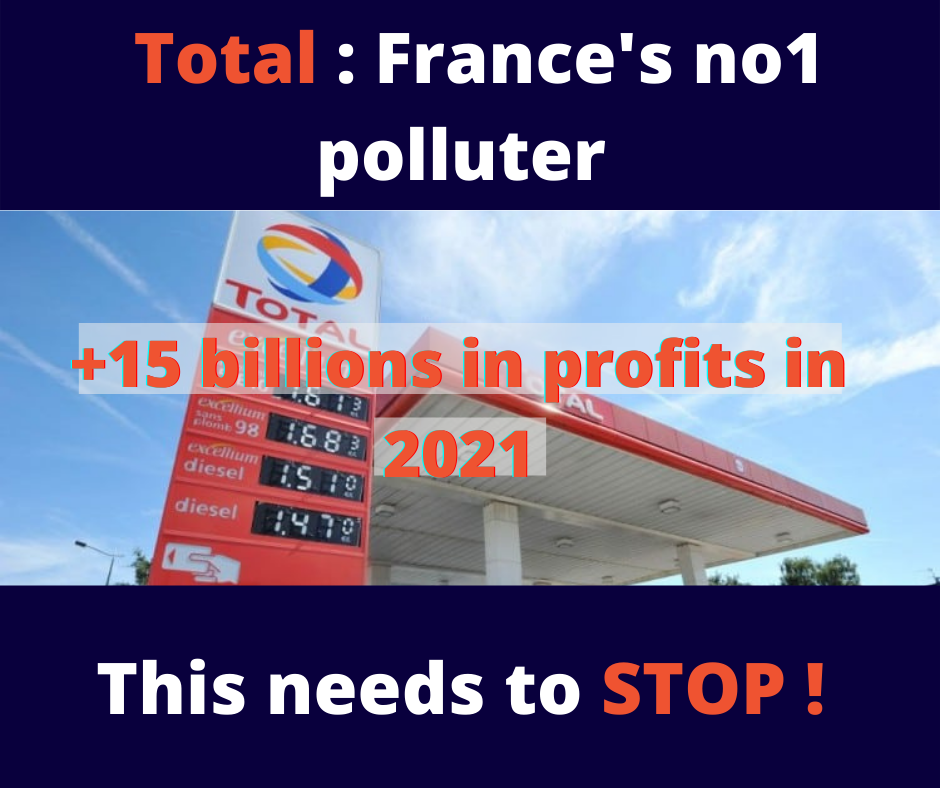
TOTAL’S 2021 15 BILLION EUROS PROFIT COMES AT THE EXPENSE OF THE PEOPLE OF THE GLOBAL SOUTH

This week, Total announced that in 2021 it made 15 billion Euros, the biggest profits any company has ever made in French history. They are unashamedly boasting about this money, money that will go to wealthy European shareholders, money that they have made at the expense of the climate and people and the environment in the global South.

Total is one of the biggest players in Mozambique’s gas industry, leading the Mozambique liquid Natural Gas (LNG) project and is constructing the onshore Afungi LNG Park, which houses the aerodrome, treatment plants, port, offices and other support facilities for all the projects. To make way for the 70 square kilometre park, the company displaced over 550 families, thousands of people, from surrounding communities.

Even though extraction hasn’t even happened yet, fishing communities who had been living mere metres from the ocean for generations were displaced to a ‘relocation village’ more than 10 km inland, with no way of getting to the sea. Farmers who had now lost their land, were given small, inadequate pieces of land far from the relocation houses they had been given.

Their ‘consultation’ process with these communities has been a joke. In meetings between communities and companies, community leaders – many of whom have developed financially beneficial relationships with the industry – are present, and people avoided speaking out for fear of losing their compensation, or of physical threats. This is exacerbated by communities’ lack of basic knowledge law, thereby unable to demand their rights.

JA! works closely with communities on the ground in the gas region, and have seen how the only jobs created for locals were menial, unskilled and temporary. Communities’ complaints to Total about irregular compensation payments were waved away. And now that Total’s project was paused in April 2021, they have stopped compensation payments completely.

The project will also have irreversible impacts on the climate and destroy coral reefs and endangered species of the UNESCO Biosphere, the Quirimbas Archipelago.

But Total’s crimes go beyond Mozambique, to many other Southern countries. One of their planned projects, the East Africa crude Oil Pipeline (EACOP) has been the subject of major campaigns by civil society and even a lawsuit in France by Friends of the Earth France. According to the StopEACOP Campaign:

“Stretching for nearly 1,445 kilometers, the East African Crude Oil Pipeline (EACOP) would have disastrous consequences for local communities, for wildlife and for the entire planet – we have to stop it. The project threatens to displace thousands of families and farmers from their land. It poses significant risks to water resources and wetlands in both Uganda and Tanzania – including the Lake Victoria basin, which over 40 million people rely upon for drinking water and food production. The pipeline would rip through numerous sensitive biodiversity hotspots, and risk significantly degrading several nature reserves crucial to the preservation of threatened elephant, lion and chimpanzee species.”

To read more about EACOP see: https://www.stopeacop.net/

In Myanmar, Total was providing the oppressive military junta with the majority of its revenue, from its Yadana gas project. The military junta is known for ethnic cleansing of the Rohingya population, and mass human rights violations including rape, sexual abuse, torture and disappearances of protestors. Recently Total claimed it would stop its operations in Myanmar, but again, it will be getting away with the destruction it has left in is wake.

Total has also been active in the Taoudeni basin of Mali in the Sahel since 1998. Since 2013, over 3000 French troops have been in Mali, and 4 other Sahel countries, with France using the same rhetoric as they and Rwanda have done in Mozambique: to rid the area of ‘jihadists’.

In Yemen, the Balhaf LNG site of which Total owns 39% was exposed for housing the base for the Shabwani Elite, an UAE-backed tribal militia since 2016. Officially a counter-terrorism group, they have unofficially become known as a group created to protect fossil fuel interests. The site also has also been exposed to house UAE notorious ‘secret prisons’ holding Yemeni detainees.

For more see https://ja4change.org/2021/10/22/france-rwanda-and-total/

in the week of the announcement, many organisations from around the world held a social media storm, where tweeted about Total’s actions and ‘hijacked’ their twitter, facebook and linkedIn accounts.

It is inhumane that Total and its shareholders use their profits to have oysters and champagne in Paris’ restaurants, while this money comes by violating the rights of human beings, their bodies, the environment and the climate.

In Mozambique, Total must stop the gas exploitation entirely, but it cannot slink away from the mess it has already made. It must take responsibility and provide reparations for all the lives destroyed, all the lands grabbed, and the livelihoods lost.

Total must stop its destruction all over the global south, and the world, but that by itself does not erase years of abuse and dispossession overnight! Total and the fossil fuel industry gas industry must be held accountable for the impacts and human rights violations faced by affected communities and be obliged to fully compensate the communities and remediate the damage caused!

Tagged , , , , , , , ,