Category Archives: land-grabbing

“A  terra é dos moçambicanos, não é da França” ‘The land belongs to Mozambicans, not to France’

Two week long PROTEST CONTINUES against TotalEnergies and its. Mozambique LNG gas project for RESETTLEMENT VIOLATIONS

IN Afungi Communities, Palma District, Cabo Delgado, Mozambique
15 November 2024, 12H00 CAT
Justiça Ambiental!, Maputo

Demonstrations SHUT the gates of TotalEnergies Afungi site

This morning, members of the Macala and Mangala Communities, have been gathering again since early light to continue their two weeks of demonstration against the violations of their land rights by Mozambique LNG gas project, operated by TotalEnergies. Yesterday’s demonstration was attended by at least 400 people. This morning, the number of demonstrators is already high and still increasing. Following yesterday’s attempts by district and provincial governments to convince them to leave the area, the situation is escalating. This morning, families from a third community, Quitunda Resettlement Village, are growing the ranks. 

“tal como  estamos a parar a produção de alimentos, 
a empresa  também deve parar as suas actividades”

“just as we are stopping food production, 
the company should stop their activities as well”

In a context of national strikes and demonstrations aimed at demanding electoral justice, the Mozambican people are taking advantage of this moment to express their discontent at the social injustice to which they have been subjected for 50 years. A visibly tired and angry people are taking to the streets to express their indignation at a precarious health system, the poor or non-existent quality of education, a bad transport system, the increase in crime, the lack of access to employment for young people and adults, and to seek measures to end the hunger that hangs over Mozambican families, at a time when – for 20 years – natural resource exploitation projects have been the promise of a better Mozambique for all Mozambicans. 

The scene in Afungi today: the demonstrators have split into four groups and obstructed movement at four of the gates to the TotalEnergies Afungi site. 

The resettlement process in Afungi has been underway since 2019, with the initial plan to resettle 556 families, and since then many more families have been resettled, yet few of these families have received replacement land for fields that they can use. In addition, there are those who gave up their land for fields for resettled families’ but have not been compensated to date. These are the main groups who have been demanding their rights at the company gates.

Justiça Ambiental says: “The resettlement process has been characterised by a large number of irregularities which has caused the discontent that culminated in these demonstrations.”

The communities state their concerns relate to: 

  • Refusal to pay compensation for the agreements signed between the project and around 445 households, relating to the occupation of land intended for families resettled in Quitunda. These agreements were signed between October 2023 and February 2024. According to clause 4.5(a) of these agreements, the affected families are obliged to cede their land and all assets on it in favour of the project within 30 days of signing these agreements.
  • Refusal to sign agreements for the payment of compensation for the lands that the project mapped and surveyed, belonging to 158 households in the same two communities. The mapping was carried out between October 2023 and March 2024 by the company.

The communities of Macala and Mangala have made several complaints to the project regarding these matters. In August 2024 TotalEnergies’ representatives in the resettlement area met with the affected families and informed them that the project would not pay compensation to them. This decision was made without respect or consultation with the communities, and the company did not provide a reason for the decision. 

This pronouncement not only created a climate of uncertainty and despair among the members of these two communities, but has also caused major frustrations. 

It is a rule established by the project in all the affected communities for the families affected to immediately suspend any activity related to agricultural production or maintenance of the affected fields. This rule aims to combat opportunism on the one hand and to ensure that the project compensates the affected properties at the time of mapping. This rule has also been complied with by the affected families.

In the Macala and Mangala communities, 445 families have signed compensation agreements and 158 affected families have not yet. All 603 families affected by the project have been banned from using their land since October 2023. This is land that the project has already used –  making roads through the middle of what used to be important food fields. The demonstrators explain that the frustrations in their communities are also very much about lost time. 

Community members say they consider this situation to be unfair to them and threatening to their lives, because the land occupied by the project is the only source of their survival. 

In September 2024, the members of the Macala and Mangala communities wrote a letter to the Palma district government presenting these concerns and frustrations. The letter also informed the PRM (police) district command and the district administrator about the communities’ intention to hold a demonstration. The demonstrations were postponed by the district administrator, who said they were in discussion with the provincial government about the complaints.


On 2nd November 2024, Macala and Mangala community members began their demonstrations. On that day, they closed the roads that were built through their fields and put up posters explaining their discontent. This did not have a negative impact on the work and movement of the project and its contractors. 

On 8th November 2024, protesters gathered at the main gate leading to the entrance to the project camp. On that day the demonstration forced the closure of the entrance and exit of the project staff and their contractors. Community members interrupted their protest only after negotiations with the District Administrator at the site. 

The demonstration resumed on 11th November 2024, lasting the whole day. At the end of the day, the administrator told the demonstrators that the Governor of Cabo Delgado Province would meet them on 14 November 2024 for negotiations that could provide answers to their demands. 

At the moment, 15 November 2024, the governor and the administrator are inside the TotalEnergies Afungi camp, and information about what is being discussed there will only be known when they return to the population.

There is a clear indication that the gas affected communities intend to remain at the gates. Now, we await news. 

Contact: Kete Mirela Fumo / kete.ja.mz@gmail.com 

Background

The Mozambique LNG project, operated by TotalEnergies, was allocated land rights to about 7,000 hectares of land on the Afungi Peninsula, as well as rights to coastal areas, for its infrastructure and operations, This required communities who were living and conducting their livelihoods in the area to resettle. The project is required to compensate those affected. Even though TotalEnergies declared in May 2024, that all compensations had been paid, this is evidently not the case. Testimonies from affected people can be viewed here [https://stopmozgas.org/from-the-ground/video-testimonies/]

There are complaints registered in all communities affected by the project regarding the lack of housing, machambas (farmlands) and partial or lack of compensation payments. In the communities of Quitunda, Senga, Mangala, Macala, Maganja and Palma Village there are people who are yet to receive compensation or who have received part of the compensation, and others who have not signed agreements yet. Evidence is emerging of even more violations of the rights of people in relation to the project activities. 

Justiça Ambiental! (JA!) / Friends of the Earth Mozambique: JA! is a civil society organisation in Mozambique that supports environmental justice at community, national and international level. JA! views the environment as an holistic concept and thus environmental justice as the act of using the environment as a vehicle for ensuring equity and equality across society. In support of sustainable development they view the concept of equality on a grand scale, and as such, values the rights of future generations to a healthy and safe environment, to the same degree that that right is valued for humanity. JA! received the Silver Rose Just Transition Award 2023 for their fight for a just transition and against fossil fuel projects and land grabs in Mozambique. In 2024, JA!’s director, Anabela Lemos is being honoured with the Right Livelihoods Award. Justiça Ambiental! (JA!) is Portuguese for Environmental Justice! and ‘ja’ means ‘now’ in Portuguese. 

Tagged , , , ,

REPORT RELEASE

Gas in Mozambique: A Windfall for the Industry, a Curse for the Country

Today JA!, Friends of the Earth France and Friends of the Earth International have released a report which exposes deep French involvement in the gas industry in Mozambique. The report, entitled Gas in Mozambique: A Windfall for the Industry, a Curse for the Country, details how the French government, its banks and corporations are part of a web of state corruption, arms deals, human rights violations and economic diplomacy, all in the interests of a $60 billion industry that has left destruction in its wake before a single drop of liquid natural gas has even been extracted.

The report shows how the French State, major private banks including BNP Paribas, Société Générale and Crédit Agricole, and fossil fuel giant Total, are some of the greatest beneficiaries of the devastating impacts of the industry in the northern province of Cabo Delgado.

JA! works closely with local communities directly facing these impacts on a daily basis. We have seen entire villages uprooted from their homes, fisherpeople moved many kilometres from the coast, and their struggle and heartbreak at losing the land and sea that has been their livelihood for generations.

We have been present with them as they try to speak up in meetings where Total brings the news of their coming difficulties and losses, but have their voices suppressed. They have told us of their nightmarish fear of insurgents who have terrorised the region with violent and fatal attacks, and of the heavy-handedness of the military that has been deployed to protect the industry.

The report includes detailed and up-to-date information from the ground, and divulges the depths to which the French public authorities have gone to ensure their economy, bankers, fossil fuel and arms industry are the greatest profiteers of the gas exploitation, even it it means devastation of the local environment, lives, economy and climate.

With this report, JA!, Friends of the Earth France and Friends of the Earth International call for the French state, banks and fossil fuel companies to withdraw from their involvement in Mozambique, stop the country’s dependence on fossil fuels and cease corrupt diplomatic dealings which are leaving the Mozambican people, and the planet, in a state of hardship and chaos.

“France is determined to ensure that this gas windfall benefits first and foremost its own transnational corporations, even if this means sowing chaos for Mozambique and setting off a climate bomb equivalent to seven times France’s annual greenhouse gas emissions. Neither the French government, nor Total and its bankers, seem concerned about the impacts this will have in fuelling climate crisis, local conflict, corruption and human rights violations.”— Cécile Marchand, Climate and Corporate Justice Campaigner at Friends of the Earth France

“The fossil fuel industry is peddling a lie that gas can be part of the clean energy transition. In reality, this so-called transition in Mozambique has meant a shift from freedom to human rights violations, from peace to conflict, from communities living well through farming and fishing to starving populations deprived of their livelihoods. The gas rush, which is exacerbating the climate crisis and benefiting only transnational corporations and corrupt elites, must stop.”— Anabela Lemos, Director of Justiça Ambiental (JA!)/Friends of the Earth Mozambique

LINKS TO THE REPORT

English Executive Summary: https://www.foei.org/resources/gas-mozambique-france-report

Relatório Português: https://www.foei.org/wp-content/uploads/2020/06/Gas-Mocambique_Portuguese.pdf

French report: https://www.foei.org/wp-content/uploads/2020/06/De-l-eldorado-gazier-au-chaos_Gas-au-Mozambique_Amis-de-la-terre_rapport_FR.pdf

For enquiries

For press enquiries, please contact:

Cécile Marchand, Friends of the Earth France, cecile.marchand@amisdelaterre., +33(0)669977456

Daniel Ribeiro, Justiça Ambiental, daniel.ja.mz@gmail.com, +258842026243

Friends of the Earth International, press@foei.org

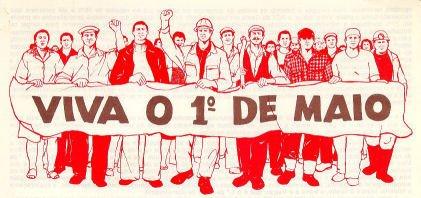
Justiça Ambiental entrevista a Organização de Trabalhadores de MoçambiqueCentral Sindical, por ocasião do 1 de Maio, Dia Internacional do Trabalhador

thumbnail (1)

Entrevista a Damião Simango, membro do secretariado, responsável pelas relações internacionais e porta-voz da OTM-CS

Justiça Ambiental (JA!):

Caro Damião, obrigada por esta oportunidade de conversa. Sabemos que a Organização dos Trabalhadores de Moçambique – Central Sindical (OTM-CS) é a maior entidade representativa dos trabalhadores no país. Pode nos falar um pouco do que é a OTM e como se estrutura?

Damião Simango (DS):

A OTM é a central sindical mais antiga e mais representativa de Moçambique. Estamos em todas as províncias e em alguns distritos. Congregamos diversos sindicatos nacionais (15) que incluem o sindicato dos funcionários do estado, e também a associação dos trabalhadores da economia informal. No total, e pelas estatísticas de 2018, somos cerca de 145 a 150 mil membros. Na sua estrutura, a OTM também tem uma estrutura representativa das mulheres e outra dos jovens.

Existem outros sindicatos independentes, como o dos professores e jornalistas. Outra importante federação sindical é a CONSILMO, a Confederação Nacional de Sindicatos Independentes e Livres de Moçambique.

JA!:

Qual é a vossa missão?

Damião Simango (DS):

A OTM é uma congregação que dá a voz aos trabalhadores em Moçambique. Lutamos pela defesa e promoção dos nossos direitos e interesses sócio-profissionais, junto às entidades empregadoras e através do contacto permanente com organizações do Estado e outros actores sócio-profissionais e económicos.

JA!:

Indo directo ao assunto, aproximamo-nos do dia do trabalhador, 1 de Maio. Na situação em que vivemos actualmente, devido à pandemia do COVID-19 e as medidas tomadas para tentar contê-la, de que forma o trabalho da OTM é afectado por esta situação?

Damião Simango (DS):

Esta situação impacta-nos de muitas formas. Por exemplo, em condições normais, nesta altura provavelmente estaríamos nas negociações em torno do salário mínimo, mas estas foram suspensas por causa do COVID-19. Estas negociações estão previstas por lei, que prevê que anualmente deve haver um reajuste nos salários mínimos.

Claro que, por um lado, podemos compreender a fragilidade das empresas neste momento devido à pandemia, no entanto, a nossa preocupação é o trabalhador. Gostaríamos de, em contrapartida, particularmente durante a pandemia, ter a garantia da manutenção dos postos de trabalho e pagamento dos salários.

Devemos notar que, apesar de não se aumentarem os salários, a pressão sobre os salários já baixos dos trabalhadores aumentou – não só devido ao incremento dos preços dos produtos essenciais, como também pelo surgimento de novas demandas e despesas extraordinárias, como as máscaras, materiais de limpeza e higiene, etc.

JA!:

E quais são as vossas principais preocupações face ao cenário actual?

Damião Simango (DS):

Neste momento da pandemia, o que mais nos preocupa é o futuro dos trabalhadores. Em Moçambique não temos, por exemplo, um subsídio de desemprego ou uma segurança de rendimento para estas situações, principalmente para os grupos mais vulneráveis. Apenas o subsídio de emergencia básico previsto pelo INSS (Instituto Nacional de Segurança Social), e o subsídio de acção social previsto pelo INAS (Instituto Nacional de Acção Social), que varia entre Mts 540 e Mts 1050. Portanto se esta situação se prolongar por mais 3-4 meses, o que isto vai significar para os trabalhadores? Isto preocupa-nos muito, devido ao impacto que provavelmente terá nos trabalhadores e, consequentemente, na sociedade. Alguns impactos disto poderão ser um intensificar da pobreza, desigualdade, violência doméstica, criminalidade, entre outros.

JA!:

Recentemente, um grande número de organizações e indivíduos da sociedade civil, incluindo a OTM-CS, publicou um documento de posicionamento a respeito do Estado de Emergência. Este documento contém algumas propostas concretas para o governo, incluindo na área de emprego e protecção social. Quais são as vossas demandas neste momento? (Este posicionamento pode ser consultado em: https://aliancac19.wordpress.com/)

Damião Simango (DS):

De forma ampla, nós exigimos que o governo desempenhe o seu devido papel de protector social, que se torna mais urgente que nunca devido à situação de crise. Queremos que não sejam tomadas nenhumas medidas sem que se pense concretamente como é que os grupos sociais irão implementá-las, em particular as camadas mais vulneráveis.

O INSS tem evoluído bastante nos últimos tempos. Por exemplo há alguns anos, para se registar no INSS, teria que ser através da entidade empregadora. Isso já evoluiu, agora o trabalhador informal pode se registar no INSS de forma independente. Mas é preciso continuar a evoluir, principalmente no sentido de ampliar a abrangência da protecção social, que alcança ainda poucas pessoas, e adoptar medidas concretas para lidar com esta crise.

Sabemos que os empresários tudo farão para proteger as suas empresas, e alguns poderão até mesmo aproveitar-se desta crise para lograrem outros intentos que em condições normais não poderiam. Temos noção que a CTA (Confederação das Associações Económicas de Moçambique) tem um grande poder de influência sobre o governo, e já há tempos que temos observado uma pressão por medidas que contribuem para a precarização do trabalho e do trabalhador. No entanto, temos que perceber que as medidas propostas pelas empresas e demais entidades empregadoras não serão suficientes para lidar com esta crise, é fundamental que o governo intervenha com medidas de protecção social. O que nós exigimos, portanto, é que o governo possa dar uma resposta concreta a estas questões, e que as medidas negociadas não sejam em qualquer circunstância em detrimento dos direitos dos trabalhadores e da sua protecção social.

JA!:

Esta crise causada pela pandemia COVID-19 vem evidenciar também uma série de outras crises, de desigualdade, pobreza, precariedade do trabalho, etc, tanto a nível de Moçambique como a nível global. Como é que vê a interligação destas crises com o sistema sócio-económico predominante, o capitalismo neoliberal?

Damião Simango (DS):

As crises são oportunidades – isto pode até soar mal, mas é verdade. As oportunidades apresentam-se de diversas formas, e esta é uma delas. Temos a oportunidade de repensar o papel do Estado e, de forma mais ampla, o modelo de desenvolvimento que seguimos. Antes, a maioria das pessoas estava convencida que este modelo, por ser o mais praticado actualmente, é o que responde às nossas necessidades. Agora é hora de despertarmos, e percebermos que este modelo não nos serve. E foi, neste caso, o sector da saúde que evidenciou isto – vemos milhares de mortes nos Estados Unidos, principalmente da população mais pobre, porque têm um sistema de saúde privado.

Precisamos de resgatar um papel fundamental do Estado, que é o seu papel protector da sociedade, garantindo a sobrevivência do seu povo. Este papel, que tem sido fragilizado devido ao modelo económico vigente, não se pode perder. É agora o momento ideal para o Estado desempenhar o seu papel protector, independentemente das pressões impostas pelo sistema de mercado.

Sabemos que o sector empresarial conta com forte apoio, fundos e especialistas para defender as suas posições. Nós não contamos com o mesmo apoio – mas sabemos o que queremos! Queremos a sociedade e os trabalhadores protegidos pelo Estado. Não haverá qualquer saída viável, justa e produtiva desta crise sem os trabalhadores.

thumbnail

Muito obrigada pela vossa disponibilidade para conversar conosco, e estamos em solidariedade com a vossa luta!


Tagged , , , , , , , , , , , , ,

JA! speaks truth to TNC’s in Europe!

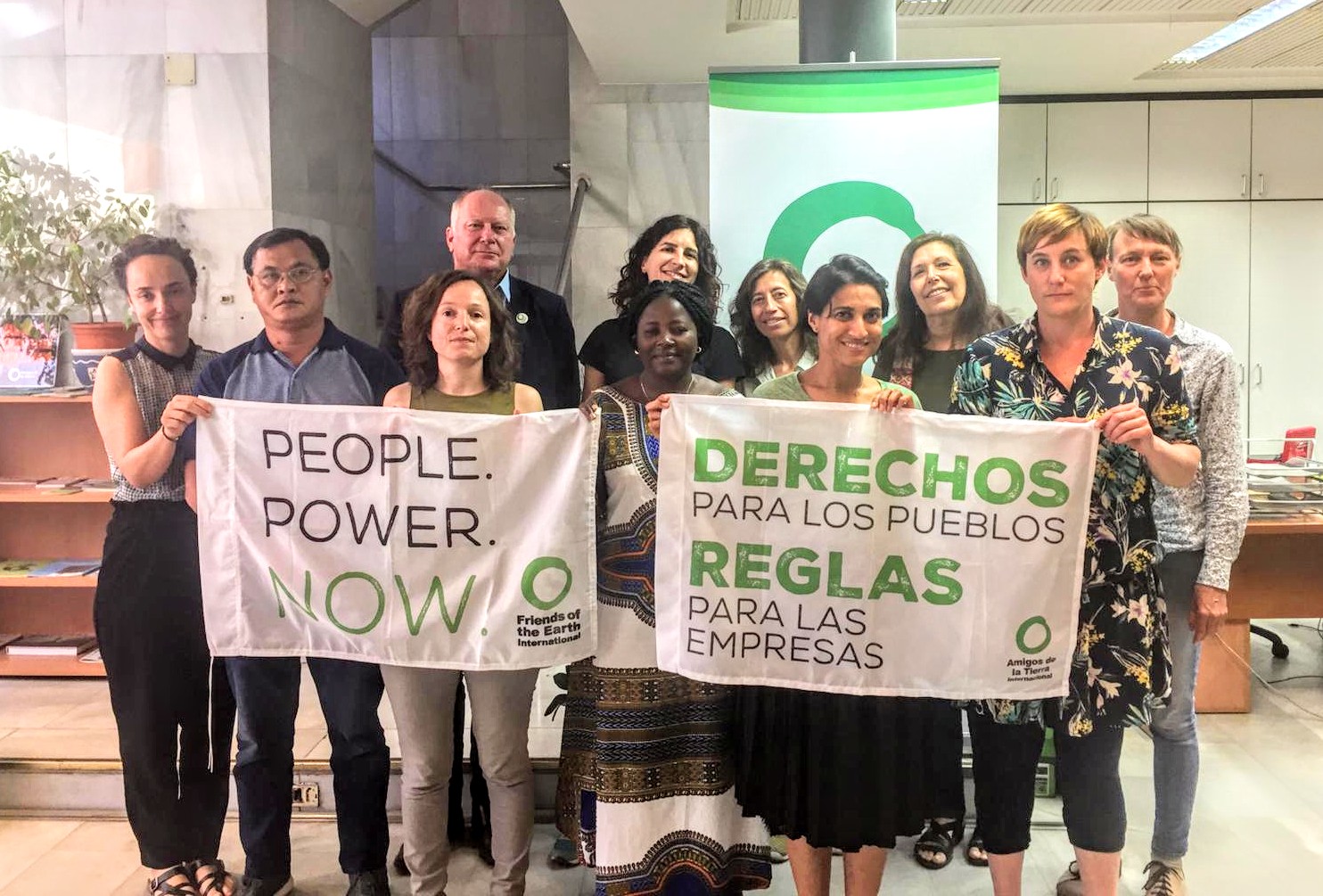
Lobby tour participants and organisers FoE Spain in Madrid


Over the past few weeks, JA! took part in a lobby tour organised in Europe, by Friends of the Earth Europe, where we met with current partners, made new allies, shared our anti-gas struggle and confronted the companies and banks who make up the liquid natural gas industry in northern Mozambique. This tour was imperative for the campaign, because so many of the companies and banks involved in the industry are based in Europe.

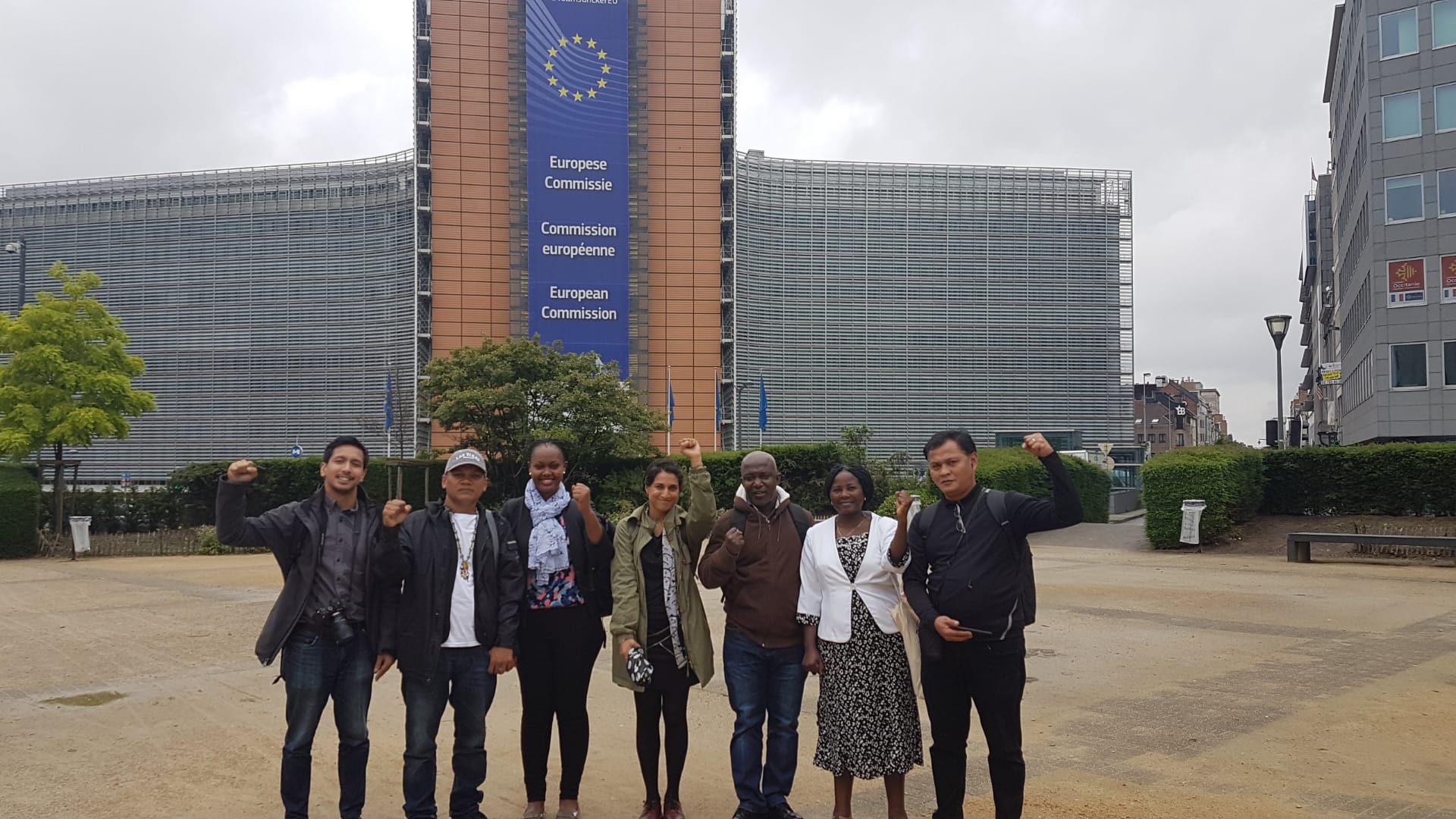
Lobby tour participants outside the EU Brussels

The tour, which went through Rome, Madrid, Amsterdam, Paris and Brussels, was aimed at creating awareness about our struggle against the gas industry in Mozambique and demonstrating the critical need for a Binding Treaty on Human Rights and Transnational Corporations (TNCs) at the United Nations. Currently, there is no accountability mechanism at the UN, only guiding principles which companies do not abide by, as they see them as an impediment to their greed and profit.


Our partners had arranged for JA!, along with activists from the DRC and the Phillipines to meet with current and new partners and allies, as well as industry players and state authorities.
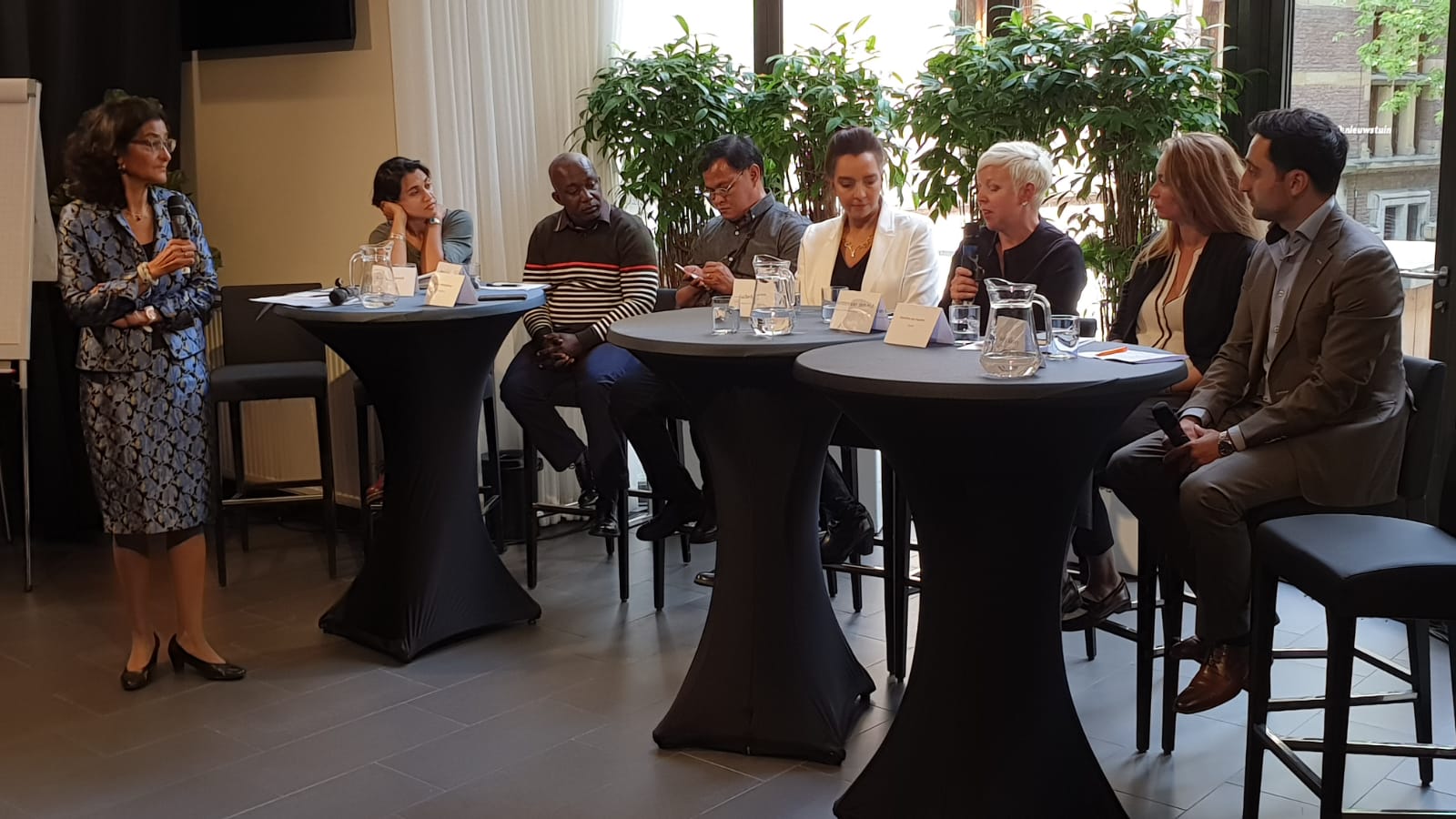
Panel discussion with lobby tour participants and parliamentarians in the Hague2

Our confrontations with the industry were often met with blatant hostility, when we tried to hold them accountable for their actions, and when we raised questions they didn’t like. We attended four annual general meetings (AGM’s), those of Shell, Natixis, Eni and Total.

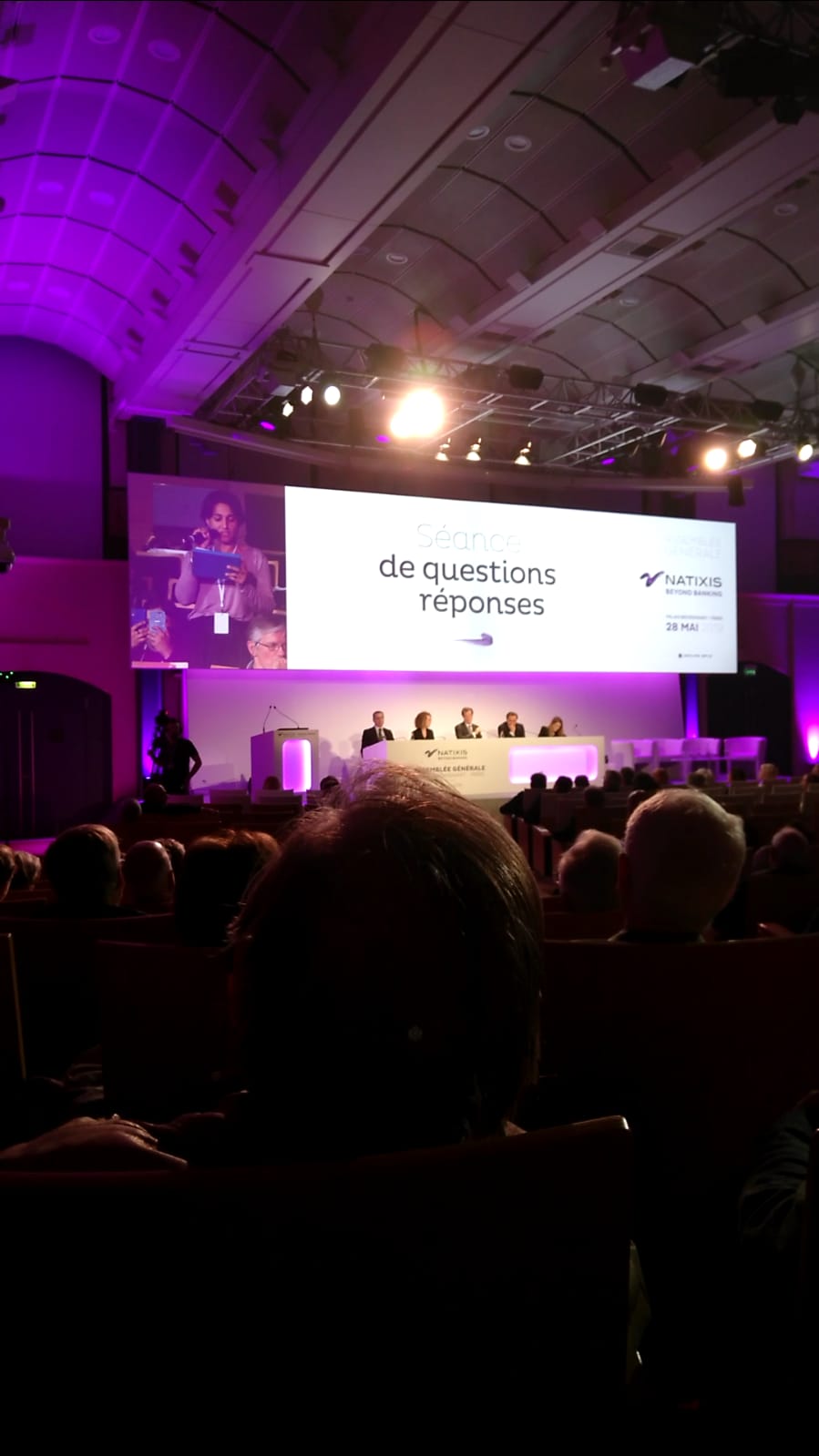
Intervention at natixis AGM

Natixis, the French bank which arranged for the entrance of three major French banks to finance the Coral LNG Project1, was so hostile at their AGM that when JA! attempted to ask a question about their negligence and ineptness in the project, they turned off the microphone and refused to answer the question. Shareholders were shouting “go home!” as JA! and partner organisations walked out of the meeting.


At the Shell AGM in Amsterdam, we were part of a large contingent of civil society organisations, mostly Dutch but also some European. Shell has a sale and purchase agreement (SPA) with Mozambique LNG to buy 2 million tonnes of gas per year for 13 years.


JA! and an organisation from Nigeria were the only attendees from the global South. The response to our questions was, as expected, vague, but our voice had been heard and carried in the Dutch media. Shell had little respect for activists – when the Nigerian activist raised the impacts that Anadarko’s project was having on their community in the Niger Delta, the Charles Holliday, Shell’s Chairman, responded that he should approach the ‘helpdesk’ in the foyer for assistance.

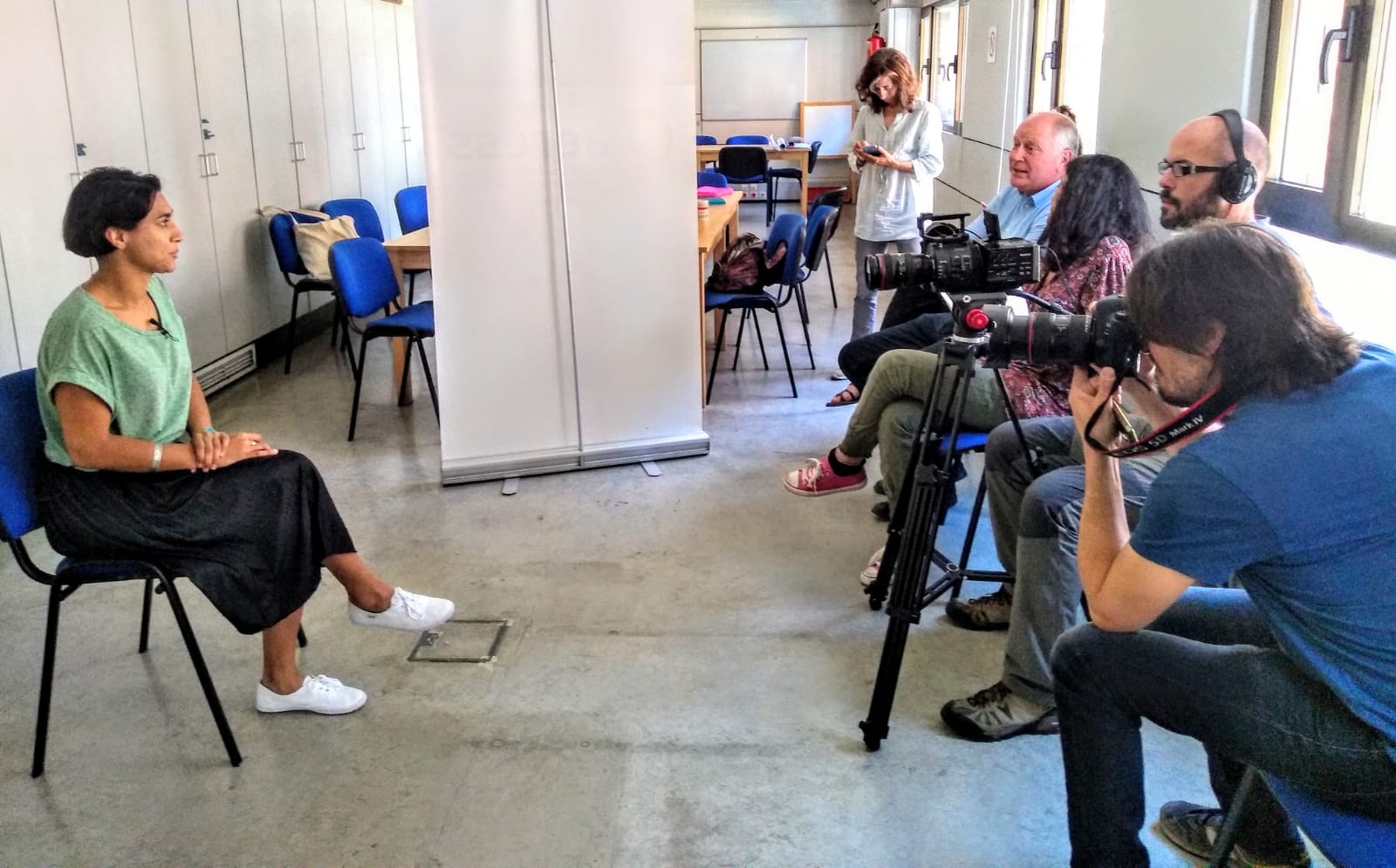
Interview with online news outlet madrid2

The third AGM we attended was that of Total in Paris, which is the new owner of the Mozambique LNG Project2, since May when it purchased Anadarko’s Africa assets. Anadarko, however, is still operating the project, and plan to hand over the lead to Total at the end of the year. After Greenpeace disrupted the AGM last year, there was a large police presence, and for some reason that was not properly explained to us, even though dozens of activists had arranged for access to the AGM, only JA! and an activist from Greenpeace were allowed into the plenary. JA!’s question was met with a dismissive answer, with Total evading responsibility for the impacts of the gas industry on the ground, claiming that responsibility lies with Anadarko.


This was a theme that came up in all AGM’s that we attended, including the fourth one, that of Italian company Eni, in Rome. Eni, along with ExxonMobil has the biggest stake in operating the Coral South LNG Project in Mozambique. We found that all the companies that we confronted, including during the one-on-one meetings we had with industry financiers BNP Paribas and BPI (French Public Investment Bank) put all the blame for the impacts on Anadarko. When we pushed them for answers, it became clear that none of these companies had even looked at the Environmental Impact Assessment that Anadarko had made in 2014, and yet were blaming them for all the climate injustices that were taking place. They are conveniently ignorant.


JA!’s partners had arranged for us to hold meetings with several authoritative bodies, including Michel Forst, UN Rapporteur on HRD; French parliamentarians from the working group on human rights and TNC’s; the deputy director of the Dutch Ministry of Foreign Affairs; a parliamentarian from political party ally in Spain, Unidas Podemos; Belgian parliamentarians, and party representatives at the European Union.


We also met with other organisations, including Oxfam, Amnesty International, Food First Information and Action Network (FIAN), the Centre for Research on Multinational Corporations (SOMO) and Action Aid.


In each country we spoke at events, to full houses of activists, journalists and the general public, some meetings of over 100 people. Our partners organising the tour had built a media campaign around our visit. Here are links to some of the articles about our struggle in European media and blogs:


Publico (Spain)


Les Echos (France)


Basta (France)


Observatories de Multinationales


L’Humanite (France)


Banktrack


Foe Scotland


It was great to see the amount of interest in our campaign, once people were made aware of the issue, and on the flipside, frightening to see how little attention the industry had been given in European media. But we believe that this tour has taken us several steps forward in the following ways:

  •  We have made many new partners and allies in the campaign throughout Europe, strengthening our coalition
  • We have shared the campaign with people working on or interested in the issue of fossil fuels and climate justice, including activists, journalists, academics and students.
  • We have directly questioned industry players one on one, from which we received some crucial information
  • We raised the issue in large industry public platforms, AGM’s, leading to attention on written and social media, and making shareholders aware
  • We have brought the issue to the radar of high level individuals on an EU level, and on the level of political parties, parliament and ministries

Now that we have strengthened the foundation of the Campaign in Europe, we must continue to push for answers and accountability. Push for activists in Europe to take their power as European citizens to hold their companies to account, and push them to force their governments, at national and EU level, to take responsibility for those corporations from whom they receive their tax.

1 Area 4 is operated by MRV, a joint venture company comprising ExxonMobil, Eni and CNPC, which holds a 70% interest in the concession for prospection and production in that area. Galp, KOGAS and Empresa Nacional de Hidrocarbonetos de Moçambique each hold 10% interest. ExxonMobil will lead the construction and operation of liquefied natural gas production facilities and related infrastructure on behalf of MRV, and Eni will lead the construction and operation of upstream infrastructure, extracting gas from offshore deposits and piping it to the plant.

2 The Area 1 block is operated by Anadarko Mozambique Area 1, Ltd, a wholly-owned subsidiary of the Anadarko Petroleum group, with a 26.5% stake, ENH Rovuma Area One, a subsidiary of state-owned Empresa Nacional de Hidrocarbonetos, with 15%, Mitsui E&P Mozambique Area1 Ltd.(20%), ONGC Videsh Ltd. (10%), Beas Rovuma Energy Mozambique Limited (10%), BPRL Ventures Mozambique BV (10%), and PTTEP Mozambique Area 1 Limited (8.5%).

Tagged , , , , , , , , , , , , , , , , , , , , , , , , , , , ,

Justica Ambiental’s intervention at Eni Annual General Meeting

14 June 2019

Rome

I represent an organisation called Justica Ambiental/Friends of the Earth Mozambique in maputo. Ive come quite a long way to ask Eni some questionsI will ask in particular questions about the onshore and offshore work in Area 1 and Area 4 of the Rovuma Basin in Mozambique, which includes the Coral Floating Liquid Natural Gas Project, and the Mozambique Liquid Natural Gas Project, and the offshore oil and gas exploration in Block ER236 off the South Coast of Durban in South Africa.

we want to give some context to the shareholders:

Although the extraction in Mozambique has not yet begun, already the project has taken land from thousands of local communities and forcefully removed them from their homes. We work with and visit most regularly the villages of Milamba. Senga and Quitupo. The project has taken away peoples agricultural land, and has instead provided them with compensatory land which is far from their homes and in many cases, inarable. Fishing communities which live within 100 metres of the sea are now being moved 10 km inland.

Furthermore, the noise from the drilling will chase fish away from the regular fishing area, and the drilling and dredging will raise mud from the seabed which will make fishing even more difficult with little visibility.

There is little to no information about the type of compensation people will receive. Communities think the ways in which peoples compensation has been measured and assessed is ridiculous. For example, the company assesses someones land by counting their belongings and compensating them financially for those goods. Another way is by counting the number of palm trees that one person has on their land. Most people have been given a standard size of land of 1 hectare. This is regardless of whether they currently have 1 hectare, 5 hectares, or even ten hectares.

80% of Mozambicans dont have access to electricity, and need energy to live dignified lives. Despite this incredibly low electricity rate, the LNG projects will not help Mozambique and its people benefit from its resources. Instead the LNG will be processes and exported to other countries, in particular Asia and Europe.

The projects will have a huge negative impact on the local environment, destroying areas of pristine coral reefs, mangroves, and seagrass beds, including endangered flora and fauna in the Quirimbas Archipelago, a UNESCO Biosphere.

Mozambique is a country that is already facing the impacts of climate change. In the last two months, two cyclones hit the country hard, as we saw most recent with Cyclone Idai and Cyclone Kenneth that together killed over 600 people and affected at least 2 million.. The EIA admits that the contribution of the projects greenhouse gases to Mozambiques carbon emissions will be major.

This project will require a huge investment by the Mozambican government, which would be better spent on social programs and renewable energy development. The project itself will require an investment of up US$ 30 billion. This project will divert funds that should be going to education and other social necessities, including $2 billion that the World Bank estimates is necessary to rebuild the country after the cyclones, in order to build and maintain infrastructure needed for the gas projects.

Over the last year and a half, there as been a scourge of attacks on communities in the gas region, which many communities believe are linked to the gas projects because they only began once gas companies became visible. In order to ensure the security of the gas companies and contractors, the military has been deployed in the area and maintains a strong presence, and several foreign private security companies have been contracted by the companies.


SOUTH AFRICA

While the human rights and environmental violations against the people of the South Coast are many, the particular issue Id like to raise is that of the lack of meaningful public participation with the affected communities, who were totally excluded from the process.

Exclusivity of meetings:

Eni held a total of 5 meetings.

Three of them were at upper end hotels and country clubs in the middle class areas of Richards Bay, Port Shepstone and in Durban. This is extremely unrepresentative of the vast majority of people who will be affected, many of whom live in dire poverty: communities of as Kosi Bay, Sodwana Bay, St Lucia,, Hluluwe, Mtubatuba, Mtunzini, Stanger, Tongaat, La Mercy, Umdloti, Verulam, Umhlanga, Central Durban, Bluff, Merebank, Isipingo, Amanzimtoti, Illovu, Umkomaas, Ifafa Beach, Scottsburgh, Margate, Mtwalume, Port Edward and surrounding townships like Chatsworth, Inanda, Umlazi, Phoenix and KwaMakhuta. This is blatant social exclusion and discrimination.

During the two so-called public participation meetings with poorer communities in February and October 2018, attended by both Eni and consultants Environmental Resources Management, the majority of people affected were not invited. The meetings, held by Allesandro Gelmetti and Fabrizio Fecoraro were held in a tiny room with no chairs. Eni had not invited any government officials.

[Sasol head of group medial liaison Alex Anderson, confirming the meeting, said: Eni, our partner, is the operator and the entity managing this process. Sasol is committed to open and transparent engagement with all stakeholders on this project, as its an ongoing process over the coming year. We value the engagement and the feedback we receive, so that we consider stakeholder concerns into the development of the project.]

Eni says it dropped the finalised EIAs off at 5 libraries for the interested parties to read. However these libraries are difficult for most of the affected communities to travel to, and one of the libraries, Port Shepstone library, was in fact closed for renovations at the time.

QUESTIONS:

Civil society in Mozambique:

The response to our question was not answered, and I would like to reformulate it.

Is Eni working with any Mozambican organisations as part of its community engagement, and which are they?

Is Eni working with any organisations, Mozambican and from elsewhere, who are NOT paid by the company?

Reforestation:

Id like to quote an article in the FT article David Sheppard and Leslie Cook 15 March 2019- Eni to plant vast forest in push to cut greenhouse gas emissions, which says, I quote:

by planting trees which absorb CO2 from the atmosphere, companies like Eni are looking to offset their pollution that their traditional operations create.

Italian energy giant Eni will plant a forest 4 times the size of Wales as part of plans to cut greenhouse gas emissions

1. Does Eni dispute the truthfulness of the Financial Times article

Eni says that it has already begun the contract process with the governments of the countries in Southern Africa, where these forest projects will take place.

1. Has the company assessed whether there actually is 81 000 hectares of unused land available for this project?

2. Has Eni already held any public participation meetings with the communities who live on the land that will be used for ?

3. who is doing this assessment and when will it begin

4. how many communities and people will be affected?

EIA s:

1. In the case of Area 1, Eni responded that the responsibility for ongoing public participation with the communities of Cabo Delgado lies with Anadarko for the joint EIA. Does Eni confirm it is relying on another company to guarantee that its own project fulfills requirements for an EIA?

2. Also on Area 1, the last EIA was done in 2014? Why does Eni rely on an impact assessment that is 5 years old?

3. Eni has responded that it only concluded its EIA in 2014, but had already begun seismic studies in 2007 and prepared for exploration in 2010. Furthermore, Eni only received its license from the Mozambique government in 2015. This is a whole 8 years after it had begun seismic studies.

Why did Eni begin studies that affect the environment and people before completing an EIA?

Decarbonisation:

This question was not sufficiently answered: I have asked why Enis decarbonisation strategy does not align with its actions in Mozambique, where the EIA says, and I quote from Chapter 12: The project is expected to emit approximately 13 million tonnes of CO2 during full operation of 6 LNG trains.

By 2022 the project will increase the level of Mozambiques GHG emissions by 9.4%

The duration of the impact is regarded as permanent, as science has indicated that the persistence of carbon dioxide in the atmosphere is said to range between 100 and 500 years, and therefore continues beyond the life of the project.

I ask again, how does this align with Enis decarbonisation strategy?

Private security:

1. Who is Eni using as their private security companies in Mozambique and in South Africa?

2. What was the legal process the company went through to contract these private security companies?

3. If any companies are not registered locally, what legal process did Eni go through to bring them to Mozambique and South Africa?

Contractors:

1. Will Eni provide us with a list of all their contractors in Mozambique and in South Africa?

2. if not why not?

Jobs in South Africa:

You have not answered our question here

How many jobs will Eni create at its operation in SA?

How many of these jobs will be paid by Eni?

Contract

I ask this in the name of the South Durban Community Environmental Alliance. The organisation requested Eni to make available the contract signed with the Dept of Environmental Affairs and Petroleum Agency South Africa that gives Eni permission to conduct seismic testing. Eni has said no, because the right to the document lies with a contractor.

Tagged , , , , , , , , , , , ,